
body Crossword Puzzles
Human body 2024-01-05

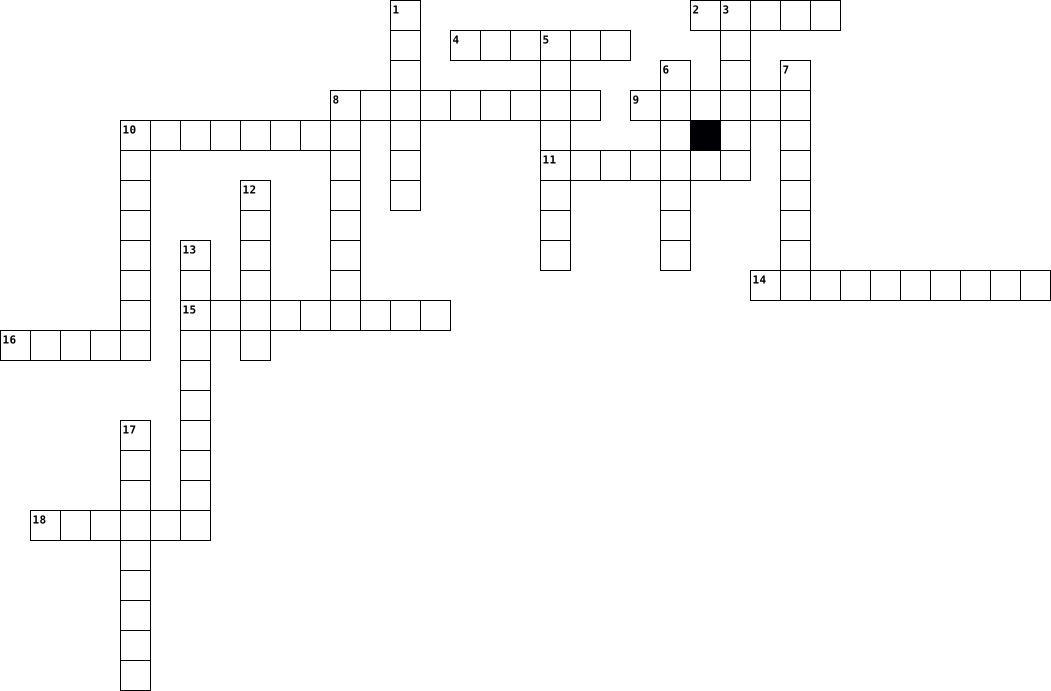
Across
- The organs you use to see.
- The smaller parts on your hands.
- Hard parts in your mouth used for biting and chewing.
- The rear part of your body.
- The parts at the end of your legs with toes.
- The wide parts on either side of your neck.
- The top part of your body where your face is.
- The part on your face you use to smell.
- The area below your chest where your food goes.
- The joints in the middle of your legs.
- The wide parts on either side of your body, above your legs.
Down
- The long parts attached to your hips with feet at the end.
- The part that connects your head to your body.
- The parts on the sides of your head you use to hear.
- The long parts attached to your shoulders with hands at the end.
- The small parts at the end of your feet.
- The opening in your face where you eat and talk.
- The soft part in your mouth used for tasting and talking.
- The front part of your body, between your shoulders.
- The parts at the end of your arms with fingers.
20 Clues: The organs you use to see. • The rear part of your body. • The smaller parts on your hands. • The joints in the middle of your legs. • The part on your face you use to smell. • The small parts at the end of your feet. • The wide parts on either side of your neck. • The parts at the end of your legs with toes. • The top part of your body where your face is. • ...
Body Parts 2020-06-15
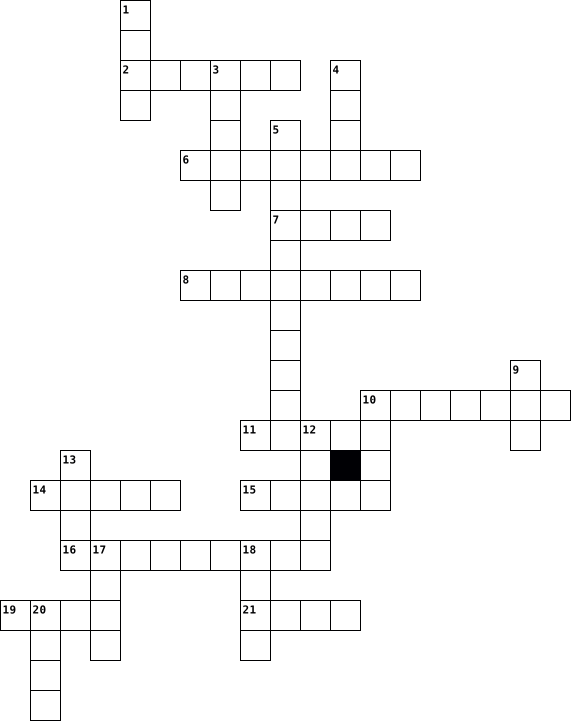
Across
- Sometimes these have freckles on them, and they pop out when you smile
- It's a big space above your eyebrows and below your hair
- If this body part gets too dry, you'll likely put some chapstick on
- The two hairy worms above the eyes
- The 10 wiggly things on your hands
- Connects the foot to the leg
- You eat with it and sing with it and talk with it
- The front surface below your neck and above your stomach
- These show if you wear a tank top
- It is below your mouth and connected to your jawline
- Used for hearing, you have two on the side of your head
Down
- Owls can turn this body part 360° around, and we cannot
- You probably can't lick it!
- Some are stronger than others, and it is used to smell
- The little hole in the middle of the belly
- This is the extension body part for your hand
- Slipping some boots on your ____ is a good idea if it's raining
- These usually have to bend if you want to sit on the ground or in a chair
- The ten wiggly piggies on your feet
- This body part contains your palm and knuckles
- It is much easier to sleep if you close these two things on your face
- Thankfully, this body part is the keeper of the brain
22 Clues: You probably can't lick it! • Connects the foot to the leg • These show if you wear a tank top • The two hairy worms above the eyes • The 10 wiggly things on your hands • The ten wiggly piggies on your feet • The little hole in the middle of the belly • This is the extension body part for your hand • This body part contains your palm and knuckles • ...
Body System 2016-05-13

Across
- support and protect the organs of the body
- largest organ of the body
- sight, hearing, smells, taste and touch
- signals the body to react to changes in the environment
- brain and spinal chord
- witch protect our spinal cord
- filters out organisms that cause disease
- Arteries, Capillaries and Veins are all part of this
- passes through the walls of the air sacs and blood vessels and enters the blood stream
- after food is swallowed it goes down...
- chemicals that control body function
- biggest artery
- responsible for blood clotting
- found only in the heart
- this organ filters the blood and removes the waste
- a muscular organ that provides blood circulation
Down
- carbon dioxide passes through it
- releases hormones directly into the bloodstream
- the trachea is attached to the bronchial tubes
- blood vessels that carry blood towards the heart
- is made up of bones, ligaments and tendons
- gets rid of liquid waste
- veins that deliver-oxygenated blood from the lungs to the heart
- brings in oxygen and removes carbon dioxide
- Kidneys, urine tubes, and bladder
- Connects bones to other bones
- biggest bone in the body
- Bones that protect the lungs
- a long tube that you breath with
- largest internal organ in the body
30 Clues: biggest artery • brain and spinal chord • found only in the heart • gets rid of liquid waste • biggest bone in the body • largest organ of the body • Bones that protect the lungs • witch protect our spinal cord • Connects bones to other bones • responsible for blood clotting • carbon dioxide passes through it • a long tube that you breath with • Kidneys, urine tubes, and bladder • ...
Body parts 2019-05-11
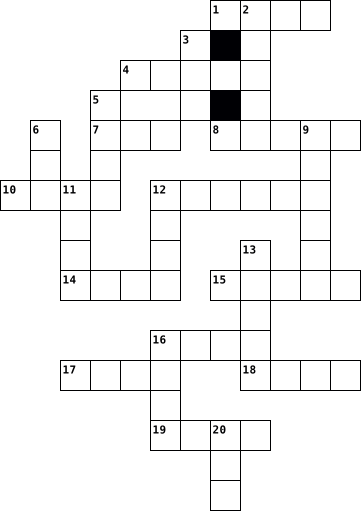
Across
- hair
- cheek
- arm
- teeth
- neck
- finger
- nose
- mouth
- foot
- knee
- hand
- toes
Down
- ankle
- leg
- back
- eye
- throat
- chin
- face
- tooth
- feet
- ear
22 Clues: leg • eye • arm • ear • hair • back • neck • chin • face • nose • foot • feet • knee • hand • toes • ankle • cheek • teeth • tooth • mouth • throat • finger
BODY PARTS 2019-03-20
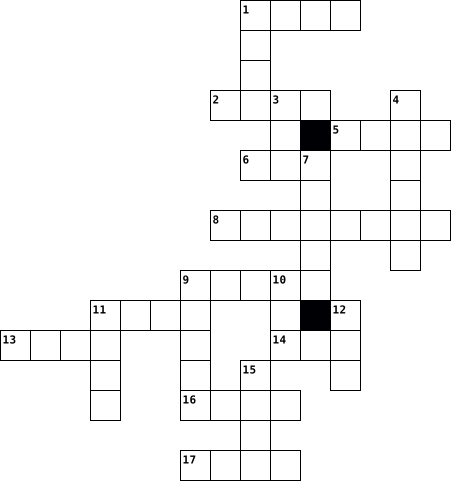
Across
- jalalaba
- jalalabad
- juuksed
- käsivars
- õlg
- hammas
- nina
- põlv
- silm
- pea
- keha
Down
- nägu
- kõrv
- sõrm
- suu
- hambad
- varvas
- kael
- jalg
- käelaba
20 Clues: suu • õlg • pea • nägu • kõrv • sõrm • nina • kael • jalg • põlv • silm • keha • hammas • hambad • varvas • juuksed • käelaba • jalalaba • käsivars • jalalabad
BODY PARTS 2019-04-15
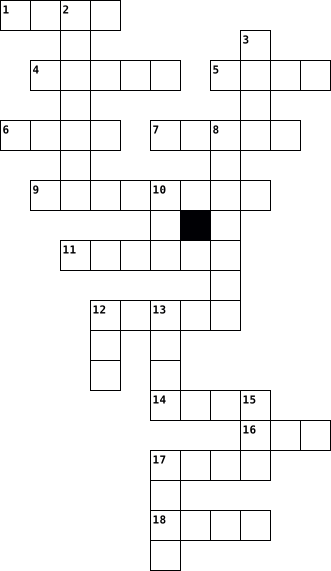
Across
- нос
- рот
- ступня
- голова
- грудь
- плечо
- палец на руке
- локоть
- колено
- рука
- волосы
- шея
Down
- живот
- пальцы на ногах
- бровь
- нога
- глаз
- спина
- ухо
- ладонь
20 Clues: нос • рот • ухо • шея • нога • глаз • рука • живот • грудь • бровь • плечо • спина • ступня • голова • локоть • колено • волосы • ладонь • палец на руке • пальцы на ногах
Body parts 2019-02-21
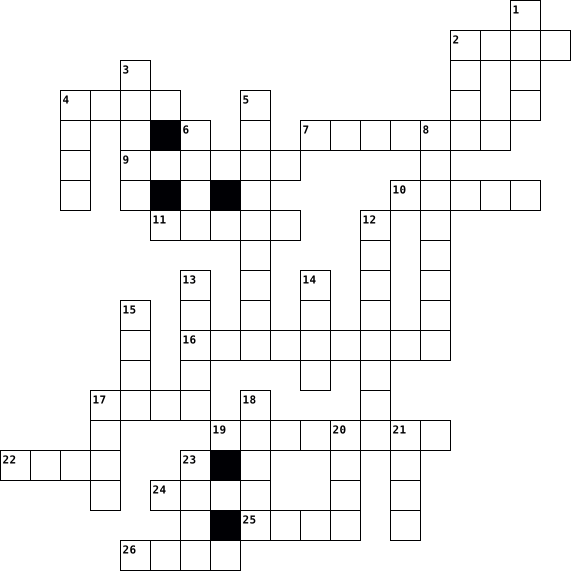
Across
- Kulnas
- Pėda
- Rankų pirštai
- Liežuvis
- Barzda
- Dantys
- Blakstienos
- Kaklas
- Petys
- Rankos
- Ausys
- Kojų pirštai
- Kūnas
Down
- Kojos
- Plaukai
- Burna
- Pėdos
- Ūsai
- Kelis
- Antakiai
- Kakta
- Skruostas
- Galva
- Veidas
- Nosis
- Krūtinė
- Lūpos
- Akys
- Plaštaka
29 Clues: Pėda • Ūsai • Akys • Kojos • Burna • Pėdos • Kelis • Kakta • Galva • Nosis • Petys • Lūpos • Ausys • Kūnas • Kulnas • Barzda • Dantys • Veidas • Kaklas • Rankos • Plaukai • Krūtinė • Antakiai • Liežuvis • Plaštaka • Skruostas • Blakstienos • Kojų pirštai • Rankų pirštai
ฺBody 2019-04-03

Across
- จอวฺ กราม / ขากรรไกร
- กัม เหงือก(ส่วนที่ติดกับฟัน)
- สคิน ผิวหนัง
- เวอรฺเท็กสฺ กระหม่อม
- apple แอดัมสฺ แอพเพิล ลูกกระเดือก
- โธรท ลำคอ
- สคัล กะโหลกส่วนศีรษะ
- ดิมเพิล ลักยิ้ม
- ชีคฺ แก้ม
- แฮรฺ ผม
- อายบอล ลูกตา
- ลิมบสฺ แขนขา
- ทัง ลิ้น
- เบิธฺมารคฺ ปาน
- โนสฺทริล รูจมูก
- โมล ไฝ
- ชิน คาง
- อายเบรา คิ้ว
- อาย ตา
- แกลนดฺ ต่อม
Down
- แบ็คฺ หลัง
- ยูวุลา ลิ้นไก่
- เมาธฺ ปาก
- เน็คฺ คอ
- เฮด หัว
- เท็มเพิล ขมับ
- เฟสฺ ใบหน้า
- โชลเดอรฺ ไหล่
- แลริงคสฺ กล่องเสียง
- คอลลาโบน ไหปลาร้า
- ฟอรฺเฮด หน้าผาก
- อายแลชฺ ขนตา
- ทูธฺ ฟัน
- ริดจฺ สันหลัง
- อายลิด เปลือกตา
- เอียรฺโลบ ติ่งหู
- เอียรฺ หู
- ลิพ ริมฝีปาก
- bridge โนสฺ บริดจฺ สันจมูก/ดั้ง
39 Clues: โมล ไฝ • อาย ตา • เฮด หัว • แฮรฺ ผม • ชิน คาง • เน็คฺ คอ • ทัง ลิ้น • ทูธฺ ฟัน • เมาธฺ ปาก • โธรท ลำคอ • ชีคฺ แก้ม • เอียรฺ หู • แบ็คฺ หลัง • เฟสฺ ใบหน้า • แกลนดฺ ต่อม • สคิน ผิวหนัง • อายบอล ลูกตา • อายแลชฺ ขนตา • ลิมบสฺ แขนขา • อายเบรา คิ้ว • ลิพ ริมฝีปาก • เท็มเพิล ขมับ • โชลเดอรฺ ไหล่ • ริดจฺ สันหลัง • ยูวุลา ลิ้นไก่ • เบิธฺมารคฺ ปาน • ดิมเพิล ลักยิ้ม • ฟอรฺเฮด หน้าผาก • โนสฺทริล รูจมูก • อายลิด เปลือกตา • เอียรฺโลบ ติ่งหู • ...
Body Parts 2019-11-04
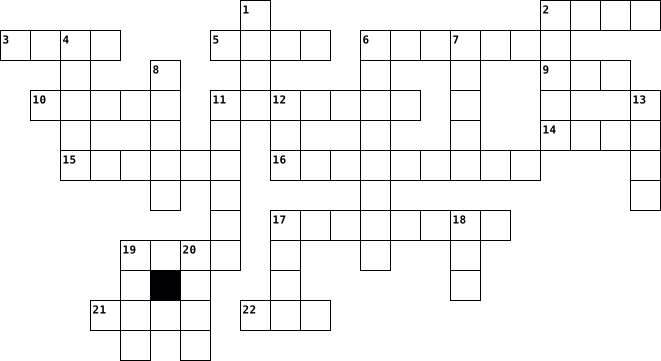
Across
- 顎
- 首
- 足
- お腹
- 耳
- 歯
- 眉毛
- 膝
- 舌
- 睫毛
- おでこ
- 手
- 唇
- 脚
Down
- 体
- ほっぺた
- 胸
- 肩
- 口
- 太もも
- 瞼
- 目
- 頭
- 顔
- 腕
- 髪の毛
- 鼻
27 Clues: 体 • 顎 • 首 • 胸 • 足 • 肩 • 口 • 耳 • 歯 • 瞼 • 目 • 頭 • 膝 • 舌 • 顔 • 腕 • 手 • 鼻 • 唇 • 脚 • お腹 • 眉毛 • 睫毛 • 太もも • おでこ • 髪の毛 • ほっぺた
Body Circulation 2020-03-09

Across
- What medication helps thin the blood?
- What is the most common symptom of a heart attack?
- What kinds of valves are located in the heart?
- A blood vessel that carries blood from the heart
- An extremely tiny blood vessel that connects the arteries and the veins. These vessels deliver oxygen to tissues
- What are three types of blood vessels?
- A person who applies his/her understanding of science and math to creating things for the benefit of humanity and our world
- A hollow, muscular organ that pumps blood
- The _______ _______, also called the cardiovascular system or the vascular system, is an organ system that permits blood to circulate and transport nutrients (such as amino acids and electrolytes), oxygen, carbon dioxide, hormones, and blood cells to and from the cell
- What is the tool used to diagnose a heart attack?
- A deposit of fatty material on the inner lining of an arterial wall.
- What receives all the oxygenated blood from the heart and distributes to the rest of the body?
- When a blockage of a blood vessel to the brain causes inadequate oxygen supply, leading to weakness, paralysis, speech difficulties, loss of consciousness and/or death.
- How many pumps in the human heart?
- Damage to heart muscle that is deprived of oxygen via blood flow, usually due to blockage of a coronary artery. Typically accompanied by chest pain. Often life threatening
- People with _____ have a higher risk of a heart attack?
Down
- Cardiologist can reopen an artery with a balloon, this surgery is called?
- What are the types of engineers who work on medical devices?
- What are types of blood cells that protect the body from disease?
- What artery carries oxygenated blood to the heart?
- What medication helps open the arteries?
- The use of artificial tissues, organs or organ components to replace damaged or absent parts of the body, such as artificial limbs and heart pacemakers
- How many chambers in the human heart?
- A blood vessel that returns blood to the heart
- How many people die from heart attacks around the world every year?
- blood cells What are the types of blood cells that carry oxygen?
- Also called myocardial infarction
- What is the world's leading killer?
- A hollow, flexible tube for insertion into a body cavity, duct or vessel to allow the passage of fluids or expand a passageway.
- A small, expandable tube used for inserting in a blocked vessel.
30 Clues: Also called myocardial infarction • What is the world's leading killer? • How many pumps in the human heart? • What medication helps thin the blood? • How many chambers in the human heart? • What are three types of blood vessels? • What medication helps open the arteries? • A hollow, muscular organ that pumps blood • What kinds of valves are located in the heart? • ...
BODY PARTS 2020-02-02
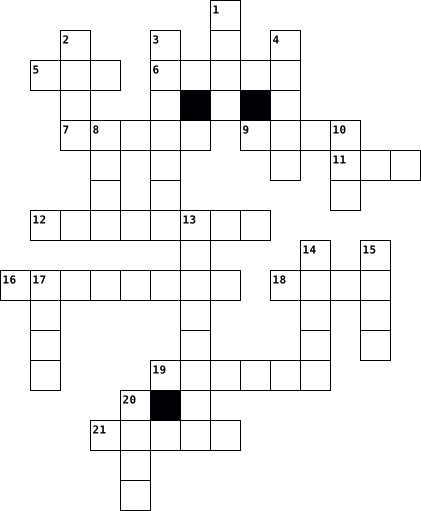
Across
- nožni prst
- bedro
- palac
- peta
- uho
- čelo
- rame
- koljeno
- jezik
- struk
Down
- brada
- stopalo
- trbuh
- obraz
- kosa
- noga
- obrve
- gležanj
- vrat
- bokovi
- nokat
21 Clues: uho • kosa • peta • noga • čelo • vrat • rame • brada • trbuh • obraz • bedro • palac • obrve • jezik • nokat • struk • bokovi • stopalo • gležanj • koljeno • nožni prst
Body Systems 2020-10-21

Across
- When there is bleeding in the brain or brain flow is blocked.
- The heart sends _____ throughout our bodies.
- How many pairs of ribs are there?
- Passage connecting your throat and lungs.
- What type of signals does the muscle movement produce?
- Glial cells were based off of the Greek work for _____.
- Where is the skull located?
- The _____ gives a command to the cell.
- How many vertebrae does the cervical have?
- To keep your respiratory system safe, you shouldn’t _____.
- A network of tiny blood vessels.
Down
- They only voluntary muscle tissue in the whole body?
- What is the big that leaves the heart carrying oxygenated blood?
- the respiratory system allows you to be able to talk and _____.
- Where is the cardia muscle found?
- A small U shaped bone.
- Two organs that remove oxygen from your lungs and pass it to your blood.
- They send signals to other cells.
- Many types of muscle tissue are there?
- What is the first heartbeat phase is called?
- The cervical nerves are in what half of your body?
- Some abnormal electrical discharges from brain cells that cause seizures.
22 Clues: A small U shaped bone. • Where is the skull located? • A network of tiny blood vessels. • Where is the cardia muscle found? • How many pairs of ribs are there? • They send signals to other cells. • Many types of muscle tissue are there? • The _____ gives a command to the cell. • Passage connecting your throat and lungs. • How many vertebrae does the cervical have? • ...
body parts 2020-10-22
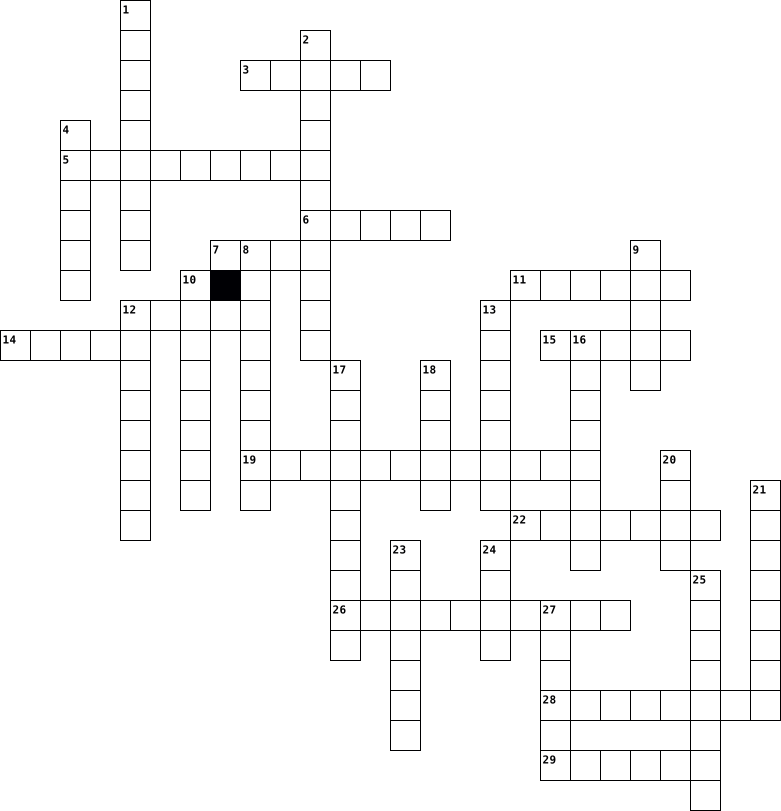
Across
- bone in the neck that holds the tongue
- the back side view of the body
- bones are cube-shaped
- twelve pairs form the walls of the bony thorax
- ragged break occurs when excessive twisting
- is the only bone in the thigh
- is formed by two sets of bones
- pelvis is superior to the true pelvis
- bones of the limbs and girdles that connect to the axial
- bone that forms the forehead
- bone breaks into three or more fragments
- bones of a skeleton are part of a system
- is formed by the fusion of five vertebrae
Down
- broken bone portion pressed inward
- bone is crushed
- bone has holes and allows blood to travel
- bones that do not fit in a categories
- ribs that do not attach to the sternum
- broken one ends are forced into each other
- the last two pairs of false ribs lack the sternal attachments
- (breastbone)is a typical flat bone
- the front view of the body
- bone breaks incompletely happens to kids
- is the most anterior and inferior part of a coxal bone
- bones that are flattened
- bones lie inferior to the parietal bones
- bone is dense and smooth
- bone that a longer and wide
- blood-filled swelling, or bruise
- forming the posterior half of the foot is composed of seven tarsal bones
30 Clues: bone is crushed • bones are cube-shaped • bones that are flattened • bone is dense and smooth • the front view of the body • bone that a longer and wide • bone that forms the forehead • is the only bone in the thigh • the back side view of the body • is formed by two sets of bones • blood-filled swelling, or bruise • broken bone portion pressed inward • ...
Body Systems 2020-10-22

Across
- muscle this muscle looks smooth
- bone hard outside part of bone
- carry blood to heart
- continuation of airflow below the larynx
- what coordinates muscle movements
- cortex what sends signals to nerves
- protects the heart and lungs
- biggest part of respiratory system
- two sides of brain
- back of nose and mouth
- framework of a protein called
Down
- carries blood to body
- contains voice box
- nervous system brain and spinal cord
- pounds how much the brain weighs
- carry blood away from heart
- protects the brain
- outer layer of cerebrum
- blood what does the heart do
- muscle muscle found in heart
20 Clues: contains voice box • protects the brain • two sides of brain • carry blood to heart • carries blood to body • back of nose and mouth • outer layer of cerebrum • carry blood away from heart • protects the heart and lungs • blood what does the heart do • muscle muscle found in heart • framework of a protein called • bone hard outside part of bone • muscle this muscle looks smooth • ...
Body system 2020-10-23

Across
- thigh bone
- nerve in hand
- protects your lungs
- vein in your foot
- vein connected to your heart
- the muscle that is in your mouth
- hip bone
- head
- runs all the way down your back
- vein in your shoulder
Down
- below the lungs
- vein in you thigh
- lung on the right
- throat
- controls your whole body
- lung on the left
- the muscle you use to go on your toes
- the muscle you use to do sit ups
- nerve in back of knee
- the muscle you use to bend your legs
20 Clues: head • throat • hip bone • thigh bone • nerve in hand • below the lungs • lung on the left • vein in you thigh • lung on the right • vein in your foot • protects your lungs • nerve in back of knee • vein in your shoulder • controls your whole body • vein connected to your heart • runs all the way down your back • the muscle you use to do sit ups • the muscle that is in your mouth • ...
Body Systems 2020-10-27

Across
- mature bone cells which help continue new born formation
- separates the right atrium from the right ventricle
- is a short loop from the heart to the lungs and back again
- the airtight box that houses the bronchial tree, lungs, heart, and other structures.
- is the solid, hard outside part of the bone
- the only voluntary muscle tissue in the human body—it is controlled consciously.
- fluid this fluid helps protect the nerve tissue, keep it healthy, and remove waste products.
- moves downward toward the abdomen, and the rib muscles pull the ribs upward and outward
- a network of tiny blood vessels that connects the very small artery branches to very small veins.
Down
- move in many directions.
- a flexible, rubbery substance in our joints, supports bones and protects them where they rub against each other.
- the brain by the bones of the skull, and the spinal cord by a set of ring-shaped bones
- the continuation of the airway below the larynx
- separates the left atrium from the left ventricle
- store calcium and release some into the bloodstream when it's needed by other parts of the body
- contains the information that essentially makes you who you are
- a long bundle of nerve tissue about 18 inches long and 1/2-inch thick.
- is found in the heart. The walls of the heart's chambers are composed almost entirely of muscle fibers
- allow movement in one direction, as seen in the knees and elbows.
- This short tube contains a pair of vocal cords, which vibrate to make sounds.
20 Clues: move in many directions. • is the solid, hard outside part of the bone • the continuation of the airway below the larynx • separates the left atrium from the left ventricle • separates the right atrium from the right ventricle • mature bone cells which help continue new born formation • is a short loop from the heart to the lungs and back again • ...
Body Systems 2020-10-27

Across
- system that helps circulate blood throughout our body
- this carries deoxygenated blood back to our heart
- one of the two types of cells in the nervous system
- one of the primary organs in the central nervous system
- number of skeletal muscles in our body
- disease that is caused by long term inflammation in the bronchial tubes
- largest bone in the human skeletal system
- an organ that is in the middle of our chest
Down
- total amount of bones in our body
- another name for the circulatory system
- one of the two parts of the respiratory system
- main tissue that encase the heart
- biggest joint in your body
- study of diseases and disorders of the nervous system
- a muscle you can control
- pairs of spinal nerves in the human body
- form of cancer that comes from your lungs
- muscle that controls 80% of breathing
- smallest bone in the skeletal system
- one of the strongest muscles
20 Clues: a muscle you can control • biggest joint in your body • one of the strongest muscles • total amount of bones in our body • main tissue that encase the heart • smallest bone in the skeletal system • muscle that controls 80% of breathing • number of skeletal muscles in our body • another name for the circulatory system • pairs of spinal nerves in the human body • ...
Body systems 2020-10-26

Across
- The bilateral artery that starts under the 12th rib
- muscle that works when you do pull-ups
- the nerve that controls your arm
- receives blood from the lungs
- the longest bone in your body
- muscle that works when you ride your bike
- runs behind trachea and in front of the spine
- work when you are doing planks
- artery that controls your neck
- the bone that lets you move your arms
Down
- vein that drains the blood going to your hand
- connects the rib bones together
- keeps your blood flowing
- muscle that works when you do push-ups
- the sensory of the skin
- The main artery for the thigh
- Controls where the food goes down your throat
- protects the brain from moving to much
- exchanges oxygen and carbon dioxide with lungs
- Branches off the sciatic nerve
20 Clues: the sensory of the skin • keeps your blood flowing • receives blood from the lungs • the longest bone in your body • The main artery for the thigh • work when you are doing planks • Branches off the sciatic nerve • artery that controls your neck • connects the rib bones together • the nerve that controls your arm • the bone that lets you move your arms • ...
Human Body 2020-10-27

Across
- what sends signals to the brain
- biggest bone in your body
- protects brain
- Carries large amount of fast flowing blood
- Largest muscle on your body
- runs through your back
- you intake oxygen and relies carbon dioxide
- fights infection
- bones protecting vital organs
- flexes when you bend your elbow
- What you breath out
Down
- connects nerve to the brain
- every nerve makes this
- pulls bones to give movement
- used to run and jump
- muscle that controls nervous system
- What you breath in
- carries oxygen in blood
- carries blood
- pumps blood and oxygen through body
20 Clues: carries blood • protects brain • fights infection • What you breath in • What you breath out • used to run and jump • every nerve makes this • runs through your back • carries oxygen in blood • biggest bone in your body • connects nerve to the brain • Largest muscle on your body • pulls bones to give movement • bones protecting vital organs • what sends signals to the brain • ...
Body Systems 2020-10-27

Across
- bones that cover he lungs
- the joint that connects the femur to tibia
- were air pass on way to lungs
- Make you feel pain
- the liquid pumped through body
- were air is held
- controls what happens in body
- the muscle in your mouth
- pumps blood through body
- the muscle that helps your head move
Down
- carry blood to heart
- the bone that protects your brain
- serve as communication channels
- muscle that you do a pull up with
- part of your airways
- the largest bone in the body
- the muscle that contracts when knee bends
- were you smell and breath from
- were you breath from
- carry blood away from heart
20 Clues: were air is held • Make you feel pain • carry blood to heart • part of your airways • were you breath from • the muscle in your mouth • pumps blood through body • bones that cover he lungs • carry blood away from heart • the largest bone in the body • were air pass on way to lungs • controls what happens in body • the liquid pumped through body • were you smell and breath from • ...
Body Systems 2020-10-27

Across
- a tissue that prevents choking
- allows rotating movement
- an artery that carries oxygenated blood
- found in the heart, and forces blood
- allows movement in one direction
- a thick liquid that processes food
- controls hormones
- a muscular tube
- contains information on the person
- an elastic tissue that covers the lungs
- an area that contains the vocal cords
- a network of blood vessels
- sends messages to the sensory organs
Down
- helps bone repair
- largest and most complex part of the brain
- carries blood away from the heart
- a box that holds lungs, and other respiratory parts
- carry blood back to the heart
- a large muscle that forms along the ribs and muscles
- the airway (nasal cavity and mouth)
- a saliva that breaks down food
21 Clues: a muscular tube • helps bone repair • controls hormones • allows rotating movement • a network of blood vessels • carry blood back to the heart • a tissue that prevents choking • a saliva that breaks down food • allows movement in one direction • carries blood away from the heart • a thick liquid that processes food • contains information on the person • ...
Body Systems 2020-10-27

Across
- carries blood away from the heart
- largest and most complex part of the brain
- a saliva that breaks down food
- a muscular tube
- found in the heart, and forces blood
- controls hormones
- helps bone repair
- sends messages to the sensory organs
Down
- allows movement in one direction
- an artery that carries oxygenated blood
- the airway (nasal cavity and mouth)
- a network of blood vessels
- a box that holds lungs, and other respiratory parts
- contains information on the person
- allows rotating movement
- a tissue that prevents choking
- a thick liquid that processes food
- an area that contains the vocal cords
- carry blood back to the heart
- an elastic tissue that covers the lungs
20 Clues: a muscular tube • controls hormones • helps bone repair • allows rotating movement • a network of blood vessels • carry blood back to the heart • a saliva that breaks down food • a tissue that prevents choking • allows movement in one direction • carries blood away from the heart • contains information on the person • a thick liquid that processes food • ...
Body Systems 2020-10-09

Across
- Components of the circulatory system that allow large volumes of blood to travel through quickly.
- This type of muscle allows you to flex your muscles.
- This is the only system that isn’t necessary for an individual’s survival.
- System with 3 types, skeletal, smooth and cardiac.
- These are necessary for muscle growth (They are also synthesized by ribosomes).
- Female part where an embryo develops into a fetus.
- Dioxide, This gas is considered a toxin or waste to the body.
- or Ova, The female reproductive cell.
- A dermatologist would be an expert on this system. (Maybe also a hairstylist or manicurist?)
- The system that gets rid of waste.
- A type of muscle allows one’s hair to stand on end.
- The organ that can make you do the “kitty dance”. (The “kitty dance” is what you do when you have to pee really bad.)
- When people have deficiencies of these, people eat strange things like clay or coins.
- This term means, “to separate and expel”.
- Another name for the locomotor system.
- Part of the nervous system.
- The system that gives you an adrenaline rush.
- Nodes, Your body has hundreds of these and they filter substances that travel through the lymphatic fluid, and they contain lymphocytes that help the body fight infection and disease. (space between words)
- Skin, or Fingernails, Part of the integumentary system.
- These substances are harmful to your body.
- This is the central processing unit of the body.
- This system is responsible for distributing oxygen and nutrients throughout the body.
- The male reproductive cell.
- The first part of the digestive system.
- This is a gas and an element essential for life and integral to the respiratory system.
- This is part of the circulatory system and their cells have a large surface area to be able to absorb O2.
- This is the term used to describe what glands do.
- The powerhouse of the circulatory system.
- This system is largely connected by ligaments.
- This small gland makes hormones that control other glands and many of the body’s functions.
- Man, This image by Leonardo di Vinci is associated with health/fitness, human body proportions, and with the practice of medicine.
- The type of skeleton that is based on water pressure.
- that trigger responses by our nervous system.
- Carbohydrates or Proteins, One of the cellular fuels necessary for energy.
- A type of muscle surrounding the heart.
Down
- System that exchanges gases into & out of the body.
- ,This cleanses the body of toxins and produces bile.
- Part of your respiratory system (and microscope).
- The endocrine system secretes these.
- or Toxins, These things are very harmful to your body and your immune system fights them.
- What “growls” and is part of the digestive system.
- This system includes the liver, stomach, intestines, esophagus and mouth.
- The type of skeleton humans have.
- This regulates the amount of insulin in the blood.
- The stuff that isn’t useful to the body & may be toxic.
- Skin, or Fingernails, Components of the integumentary system.
- This is another name for the urinary system.
- Rhymes with “tongues” and are near the heart.
- This is another name for the musculoskeletal system.
- The smallest components of the circulatory system other than blood itself.
- Connects the throat to the stomach.
- Insects have this type of skeletal system.
- Part of the skeletal and digestive systems.
- This part of the digestive system is very long and has a tremendous surface area to absorb nutrients.
- These remove waste and water from the blood in the form of urine.
- Gland, A pea-sized gland in the brain that produces melatonin regulating our circadian rhythms.
- The system excretes liquid waste.
- Marrow, Most red blood cells, platelets, and most of the white blood cells are formed here. (Skeletal system)
- The female organ producing female reproductive cells.
- The system that allows you to feel emotion.
- These create sperm.
61 Clues: These create sperm. • Part of the nervous system. • The male reproductive cell. • The type of skeleton humans have. • The system excretes liquid waste. • The system that gets rid of waste. • Connects the throat to the stomach. • The endocrine system secretes these. • or Ova, The female reproductive cell. • Another name for the locomotor system. • ...
Body Systems 2020-10-27

Across
- organ that allows the sense of smell
- system that contains the heart and blood vessels
- this system brings oxygen into the body and helps remove carbon dioxide from the body
- a pair of breathing organs that remove carbon dioxide and bring oxygen to blood
- largest muscle in the human body
- bones in the spine
- this system control all feelings, thoughts, learning, memory, and senses.
- carries messages to the brain
- line consisting of nerves that carry incoming and outgoing messages to the brain and the rest of the body
- bodies hardest working muscle
- three pound organ that controls all functions of the body
- allows the arm to bend
Down
- system made up of 206 bones
- this systems main purpose is to allow movement
- a tube in the respiratory system that connects the pharynx and the lungs
- transports blood away from the heart
- returns blood back to the heart
- smallest bone in the skelton
- allows extension of the forearm at the elbow joint
- where bones meet
20 Clues: where bones meet • bones in the spine • allows the arm to bend • system made up of 206 bones • smallest bone in the skelton • carries messages to the brain • bodies hardest working muscle • returns blood back to the heart • largest muscle in the human body • organ that allows the sense of smell • transports blood away from the heart • this systems main purpose is to allow movement • ...
Body Systems 2020-10-27

Across
- _____ are born with 300 bones?
- The circulatory system is made up of ___?
- Muscles make up approximately ___% of total weight.
- the brain and the spinal cord are the _____?
- The nerves that go through the whole body make up the ____?
- Located only in the heart, _____ muscle pumps blood around the body.
- The ______ circulation carries blood from the heart to all the other parts of the body and back again.
- Your skeleton is made of more than 200 ____?
- air enters the respiratory system by the nose and the ____?
- the human brain weighs _____ pounds?
- The mitral ____ separates the left atrium from the left ventricle.
Down
- The _______ circulation is a short loop from the heart to the lungs and back again.
- what system allows us to breathe?
- The ____ is the hardest-working muscle in the body.
- The brain and the spinal cord are protected by ___?
- The ear contains the _____ muscles in the body alongside the smallest bones.
- this system contains the face body part mouth and ?
- The longest bone in the body is in your?
- The smallest bone in the body is in your?
- the lungs contain ______ that allow them to inflate and deflate without loosing shape.
20 Clues: _____ are born with 300 bones? • what system allows us to breathe? • the human brain weighs _____ pounds? • The longest bone in the body is in your? • The circulatory system is made up of ___? • The smallest bone in the body is in your? • the brain and the spinal cord are the _____? • Your skeleton is made of more than 200 ____? • ...
Body Systems 2020-10-28

Across
- This system assists your sense of smell
- The hardest working muscle
- In the Nervous System, this is a major organ
- There are ___ types of muscles
- There are more than ___ bones in your body
- A heart beats ___ times daily
- The only organ that can float
- This can be caused by many different viruses
- Has 26 bones
- Blood vessels extend over 60,000 ___
Down
- Of energy reserves are used by the brain
- This can be lost just by breathing
- Muscles make up ___ of body weight
- We have ___ of nerve cells
- Your body contains over ___ muscles
- Has 54 bones
- The heart pumps 2 ___ every time it beats
- There are ___ types of circulatory systems
- Fills bones
- This system controls brain growth
20 Clues: Fills bones • Has 54 bones • Has 26 bones • The hardest working muscle • We have ___ of nerve cells • A heart beats ___ times daily • The only organ that can float • There are ___ types of muscles • This system controls brain growth • This can be lost just by breathing • Muscles make up ___ of body weight • Your body contains over ___ muscles • Blood vessels extend over 60,000 ___ • ...
Thankful Body 2020-11-02

Across
- dsfsdnf
- ddddsd
- mfksdknfs
- fjdhd
- fdgsdsdg
- fgsdgsg
- fgmsd;f
- DFWDOHF
- KGKJGKJ
- IJBB
- fdsfsdf
- IJWEOH
Down
- KVKHV
- KLLJB
- FWEA
- dgsdsdds
- dsdsddsf
- DFDNFLJSD
- FKDJFDKF
- dfsdsdfd
- BDFJEDFW
- efw;dknf;sd
22 Clues: FWEA • IJBB • KVKHV • KLLJB • fjdhd • ddddsd • IJWEOH • dsfsdnf • fgsdgsg • fgmsd;f • DFWDOHF • KGKJGKJ • fdsfsdf • dgsdsdds • dsdsddsf • FKDJFDKF • fdgsdsdg • dfsdsdfd • BDFJEDFW • DFDNFLJSD • mfksdknfs • efw;dknf;sd
Body systems 2020-11-03

Across
- regular exercise (heart/lungs)
- Muscular endurance athletes Place a higher what on training regiment that use higher repetitions strength training
- Long distance need muscular endurance in their legs
- flexibility is what specific
- this type of testing is currently the gold standard of measuring body composition
- a workout to benefit heart health
- A what of motion through your major joints that reduces the likelihood of injury
- Doing this to your joints can help keep you spry into your later years
Down
- enhance cellular metabolism
- refers to the range of motion around a given joint
- doesn’t tell you anything about the make up of your internal tissues
- this type of mass is better than fat mass
- bodies physical capability to sustain exercise for an extended period
- this endurance is muscle group specific
- The amount of what a particular muscle group can produce in one all out effort
- it’s what to improve muscle strength and endurance at the same time
- what kind of weight with fewer reps helps improve muscle strength
- what training exercises should adults do 2 to 3 times a week
- these scans are typically used for measuring bone mineral density and can also be used to accurately measure body composition
- Use what kind of weights and higher reps to increase endurance overtime
20 Clues: enhance cellular metabolism • flexibility is what specific • regular exercise (heart/lungs) • a workout to benefit heart health • this endurance is muscle group specific • this type of mass is better than fat mass • refers to the range of motion around a given joint • Long distance need muscular endurance in their legs • ...
Body Parts 2020-04-21
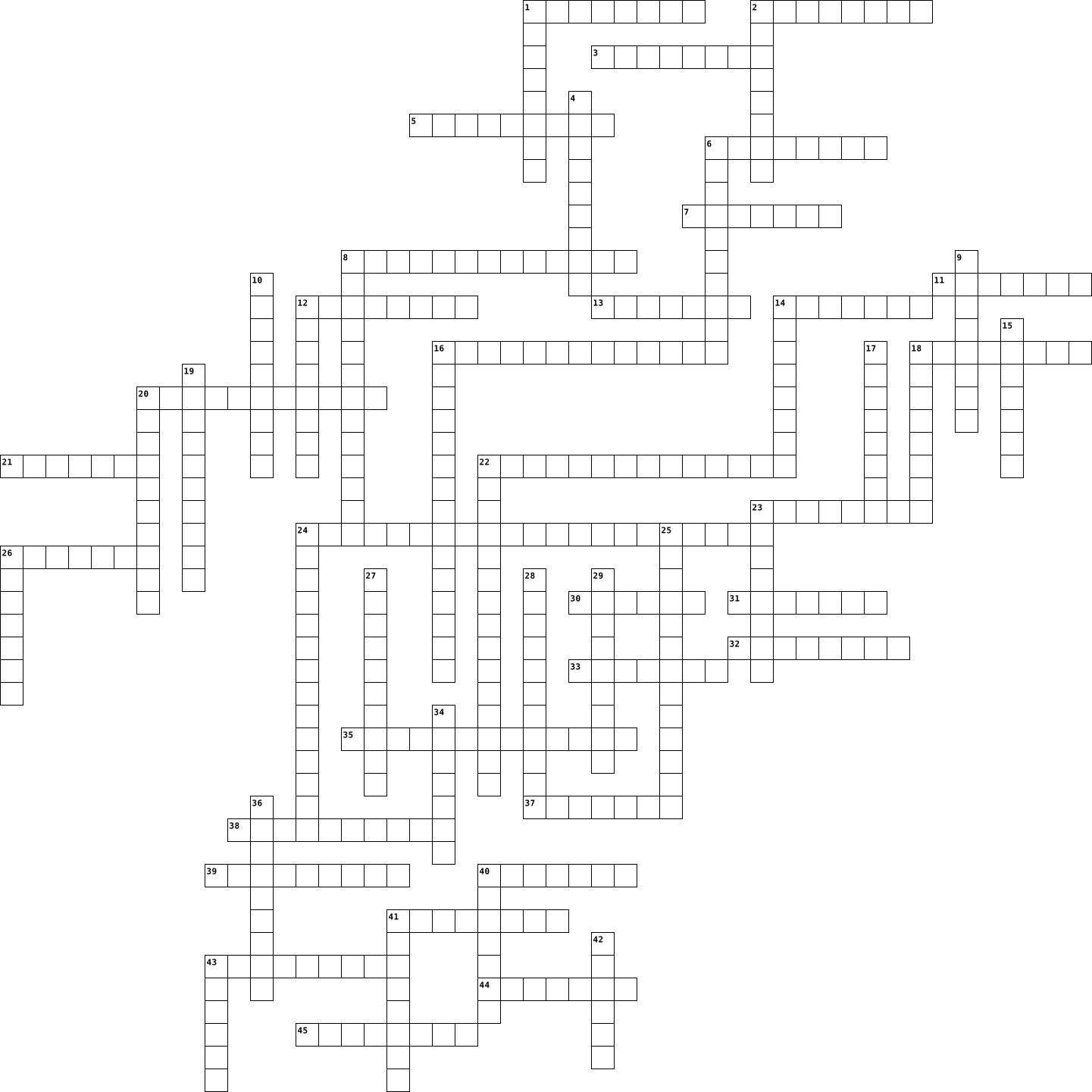
Across
- the sole
- the lip
- the cheek
- the fingers
- the tounge
- the leg
- the wrist
- the nose
- the eyes
- the heart
- the knee
- the palm
- the heel
- the shoulder
- the neck
- the gallbladder
- the kidney
- the pancreas
- the hand
- the toe
- the blood
- the abdomen
- the vein
- the toenail
- the chin
- the buttocks
- the thumb
- the skin
- the throat
- the waist
- the nerve
- the chest
Down
- the lung
- the ears
- the muscle
- the artery
- the eyebrow
- the liver
- the brain
- the bladder
- the teeth
- the intestines
- the thigh
- the hip
- the hair
- the bone
- the skull
- the ankle
- the stomach
- the gums
- the elbow
- the head
- the eyelashes
- the eyelid
- the jaw
- the mouth
- the back
- the calf
- the forehead
- the throat
- the arm
61 Clues: the lip • the leg • the hip • the jaw • the toe • the arm • the sole • the lung • the ears • the nose • the eyes • the knee • the palm • the heel • the hair • the bone • the neck • the gums • the hand • the head • the vein • the back • the chin • the skin • the calf • the cheek • the wrist • the liver • the brain • the heart • the teeth • the thigh • the skull • the ankle • the elbow • the blood • the mouth • the thumb • the waist • the nerve • the chest • the muscle • ...
body parts 2020-04-19
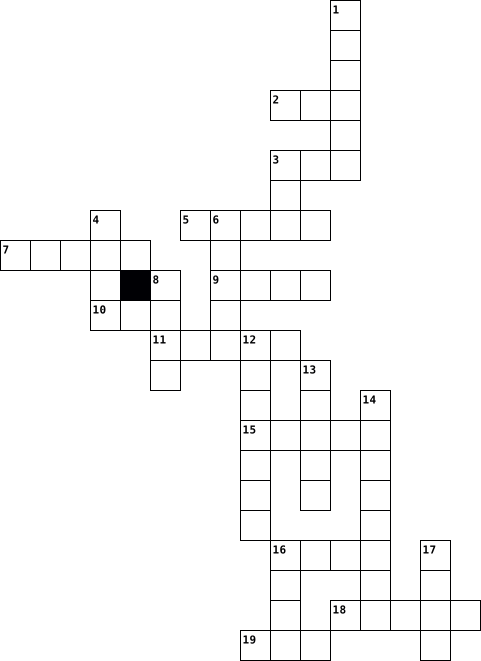
Across
- leg
- ear
- navel
- elbow
- knee
- toe
- chest
- mouth
- hand
- wrist
- arm
Down
- finger
- eye
- foot
- ankle
- neck
- stomach
- thumb
- shoulder
- hair
- nose
21 Clues: leg • ear • eye • toe • arm • foot • neck • knee • hand • hair • nose • navel • ankle • elbow • chest • thumb • mouth • wrist • finger • stomach • shoulder
My body! 2020-03-23

Across
- ΠΛΑΤΗ
- ΜΑΛΛΙΑ
- ΓΛΩΣΣΑ
- ΣΤΟΜΑ
- ΔΟΝΤΙΑ
- ΜΑΤΙΑ
- ΔΑΚΤΥΛΑ ΧΕΡΙΟΥ
- ΠΑΛΑΜΕΣ
- ΩΜΟΙ
- ΠΡΟΣΩΠΟ
- ΣΤΕΡΝΟ
Down
- ΓΟΝΑΤΑ
- ΧΕΡΙΑ
- ΜΥΤΗ
- ΠΟΔΙΑ
- ΚΕΦΑΛΙ
- ΔΑΚΤΥΛΑ ΠΟΔΙΟΥ
- ΝΥΧΙΑ
- ΑΥΤΙΑ
- ΛΑΙΜΟΣ
- ΠΑΤΟΥΣΕΣ
- ΠΗΓΟΥΝΙ
22 Clues: ΜΥΤΗ • ΩΜΟΙ • ΠΛΑΤΗ • ΧΕΡΙΑ • ΠΟΔΙΑ • ΣΤΟΜΑ • ΝΥΧΙΑ • ΜΑΤΙΑ • ΑΥΤΙΑ • ΓΟΝΑΤΑ • ΜΑΛΛΙΑ • ΓΛΩΣΣΑ • ΚΕΦΑΛΙ • ΔΟΝΤΙΑ • ΛΑΙΜΟΣ • ΣΤΕΡΝΟ • ΠΑΛΑΜΕΣ • ΠΡΟΣΩΠΟ • ΠΗΓΟΥΝΙ • ΠΑΤΟΥΣΕΣ • ΔΑΚΤΥΛΑ ΠΟΔΙΟΥ • ΔΑΚΤΥΛΑ ΧΕΡΙΟΥ
body parts 2020-11-13
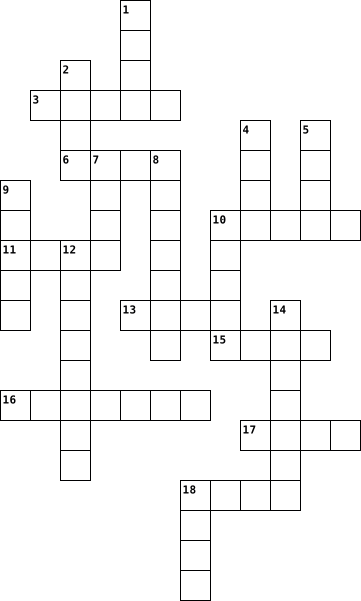
Across
- we taste this is
- you can perceive sounds
- main part of human body
- you can see movies
- you can wear accesories like hat
- this covers the body
- it hurts when you don't like food
- where can you wear scarft
- we kiss with this
Down
- you can walk with this
- we smell with this
- where the legs bend
- can be long or short dark or light
- you use them to give a hug
- part of the arm
- you can chow these
- you can catch the objects
- it is located above the eyes
- your hand has five
- we walk of these
20 Clues: part of the arm • we taste this is • we walk of these • we kiss with this • we smell with this • you can chow these • you can see movies • your hand has five • where the legs bend • this covers the body • you can walk with this • you can perceive sounds • main part of human body • you can catch the objects • where can you wear scarft • you use them to give a hug • it is located above the eyes • ...
Body Systems 2020-11-22

Across
- What protects the bladder?
- Where is the cardiac muscle found?
- What is the outer layer of the cerebrum called ?
- what is the continuation of the airway below the larynx called?
- What muscle found in the walls of blood vessels?
- What carries blood back to the heart?
- What are skeletal muscles called?
- What shelters the heart and lungs?
- What is responsible for balance, movement, and coordination?
- What type of muscle is the Cardiac Muscle?
- what artery carries oxygenated blood away from the heart?
Down
- What is part of both the digestive and respiratory system?
- What carries messages from the sensory organs like the eyes, ears, nose, and fingers to the cortex?
- What is a network of tiny blood vessels called?
- What protects the organs in our body?
- What contains the information that essentially makes you who you are?
- What protects the brain?
- What carries blood away from the heart?
- what is the trachea lined with?
- what is the top part of the air-only pipe called?
20 Clues: What protects the brain? • What protects the bladder? • what is the trachea lined with? • What are skeletal muscles called? • Where is the cardiac muscle found? • What shelters the heart and lungs? • What protects the organs in our body? • What carries blood back to the heart? • What carries blood away from the heart? • What type of muscle is the Cardiac Muscle? • ...
The body 2020-09-11

Across
- (6,11)As your muscles warm up during your workout, blood circulating through the muscles is also warmed, producing a rise in core temperature.
- (10)the way in which a living organism or bodily part functions.
- (10)a cell which secretes the substance of bone.
- (5,5) a very small tear in a tendon or cell
- (8,5)Synovial fluid is produced in the spaces between certain joints to help reduce friction and facilitate movement between articular cartilages.
- (8) a substance deposited in bodily tissues as a store of carbohydrates.
- (7,8) the maximum amount of oxygen a person can utilize during intense exercise.
- (9)the state of being thick, sticky, and semi-fluid in consistency, due to internal friction.
- (16)Vasoconstriction is the narrowing of the blood vessels resulting from contraction of the muscular wall of the vessels, in particular the large arteries and small arterioles.
- (7,6)It is an striated muscle that constitutes the main tissue of the walls of the heart.
- (4,1,6,5)Type I fibers are used in lower-intensity exercises such as very light resistance work aimed at muscular endurance and long-duration aerobic activities such as 5K and 10K runs.
- (4,11) Bone remodeling is a lifelong process where mature bone tissue is removed from the skeleton and new bone tissue is formed.
- (8,6)The human skeleton is the internal framework of the human body.
- (4,3,6,5)Type IIa muscle fibers are fast twitch, meaning they fire more quickly.
Down
- (6,5) cells that make up skeletal muscles and are composed of numerous myofibrils that contract when stimulated.
- (5,4) Blood flow refers to the movement of blood through the vessels from arteries to the capillaries and then into the veins.
- (6)A protective sheath known as the synovium covers tendons. This sheath produces synovial fluid, which keeps the tendon lubricated.
- (10)a large multinucleate bone cell which absorbs bone tissue during growth and healing.
- (11) is an increase in the amount of organic tissue that results from cell proliferation.
- (9,12) A compound consisting of an adenosine molecule bonded to three phosphate groups, present in all living tissue.
- (11,4) Contractions are considered regular when the duration and frequency are stable over a period of time.
- (8) Collagen is the most abundant protein in the human body, found in the bones, muscles, skin, and tendons.
- (7) A mineral found mainly in the hard part of bones, where it is stored.
- (12)Vasodilation is the widening of blood vessels.
- (8) a short band of tough, flexible fibrous connective tissue which connects two bones or cartilages or holds together a joint.
- (11,5) Muscle contraction is the activation of tension-generating sites within muscle fibers.
- (4,3,6,5)These are even faster and more powerful than type IIa. They are also even more inefficient, fatiguing very quickly.
- (9,7) The tiny blood vessels throughout the body that connect arteries and veins.
- (7) extreme tiredness resulting from mental or physical exertion or illness.
- (12) a medical condition in which the bones become brittle and fragile from loss of tissue, typically as a result of hormonal changes, or deficiency of calcium or vitamin D.
30 Clues: (5,5) a very small tear in a tendon or cell • (10)a cell which secretes the substance of bone. • (12)Vasodilation is the widening of blood vessels. • (10)the way in which a living organism or bodily part functions. • (8,6)The human skeleton is the internal framework of the human body. • (8) a substance deposited in bodily tissues as a store of carbohydrates. • ...
Body Systems 2024-05-13

Across
- - The main airways that branch off from the trachea and carry air to and from the lungs.
- - A group of cells that have a similar structure and function, and work together to perform a specific task.
- - A blood vessel that carries deoxygenated blood back to the heart.
- - An automatic, involuntary response to a stimulus.
- - Substances in food that provide energy, promote growth, and maintain life.
- - Macronutrients that are the body's main source of energy.
- - The body's physical, mental, or emotional response to a demand or challenge.
- - The functional unit of the kidney, responsible for filtering blood and producing urine.
- - The junction between two neurons where electrical or chemical signals are transmitted.
- - The bundle of nerves that extends from the base of the brain and connects it to the rest of the body.
- - The process of breaking down food into smaller components that can be absorbed and used by the body.
- - A mechanism in which the output of a system is used to reduce or limit the input, thereby maintaining a stable state.
- - The system that pumps blood, nutrients, oxygen, and other substances throughout the body.
- - A specialized cell in the nervous system that transmits electrical signals.
Down
- - To become smaller or narrower; to draw together or become reduced in size.
- - A chemical substance produced by the body's glands that regulates the function of cells or organs.
- - The smallest blood vessels in the body, where the exchange of oxygen, nutrients, and waste products occurs between the blood and body tissues.
- - The rhythmic contraction and relaxation of the muscles in the digestive tract that propels food through the system.
- - A sudden, strong desire or urge to act.
- - A clear fluid that travels through the lymphatic system and helps remove waste and toxins from the body.
- - A protein that speeds up chemical reactions in the body.
- - An organ that secretes hormones or other substances into the bloodstream or body cavities.
- - A group of organs that work together to perform a specific function or set of functions in the body.
- - A structure made up of two or more types of tissues that work together to perform a specific function in the body.
- - The process of eliminating waste products from the body.
- - The way in which two or more things or people affect each other.
- - Able to maintain a steady state or position; not easily disturbed or changed.
- - A watery substance secreted by the salivary glands that helps to moisten and break down food in the mouth.
- - Something that causes a physiological or psychological response.
- - A blood vessel that carries oxygenated blood away from the heart to the body's tissues.
- - The central organ of the nervous system, responsible for coordinating and controlling various body functions.
31 Clues: - A sudden, strong desire or urge to act. • - An automatic, involuntary response to a stimulus. • - A protein that speeds up chemical reactions in the body. • - The process of eliminating waste products from the body. • - Macronutrients that are the body's main source of energy. • - The way in which two or more things or people affect each other. • ...
Human Body 2024-04-30

Across
- Mechanical and chemical breakdown of food into small particles and molecules that your body can absorb and use
- Tubelike passageway at the top of the throat that receives air
- Groups of similar types of cells that work together to carry out specific tasks
- Hard outer covering that protects and supports an animal's body
- Carries blood away from your heart
- Muscles found only in the heart
- A tube that is held open by C-shaped rings of cartilage
- Vessels that carry blood towards the heart
- Involuntary muscles names for their smooth appearance
- an organ having nerve endings (in the skin or viscera or eye or ear or nose or mouth) that respond to stimulation
- A large muscle below the lungs that contracts and relaxes as air moves into and out of your lungs
- Tiny vessels that enable oxygen, CO2, and nutrients to move between circulatory system and your entire body
- Groups of different organs that work together to complete a series of different tasks
Down
- a transition of a cell from one cell type to another
- The main organs of the respiratory system
- Two narrow tubes that lead to the lungs
- Where blood leaves the heart through two lower chambers of the heart
- the highly complex part of an animal that coordinates its actions and sensory information by transmitting signals to and from different parts of its body.
- A muscular tube that connects the mouth to the stomach
- Made of strong tissue that can contract in an orderly way
- Collects and eliminates waste from the body and regulates the level of fluid in the body
- Where bones are connected to other bones by tissue
- Where two or more bones meet
- cells responsible for receiving sensory input from the external world, for sending motor commands to our muscles, and for transforming and relaying the electrical signals at every step in between.
- Parts of food used by the body to grow and survive
- The many tiny air sacs of the lungs which allow for rapid gaseous exchange
- Two upper chambers of the heart
- Groups of different tissues working together to perform a particular task
28 Clues: Where two or more bones meet • Muscles found only in the heart • Two upper chambers of the heart • Carries blood away from your heart • Two narrow tubes that lead to the lungs • The main organs of the respiratory system • Vessels that carry blood towards the heart • Where bones are connected to other bones by tissue • Parts of food used by the body to grow and survive • ...
BODY PARTS 2024-04-29

Across
- YUZ
- SUYAK
- OYOQ
- TIL
- OYOQ-BARMOG'I
- KO'Z
- BURUN
- TISH
- OYOQ
- BOSH
- QOSH
- TIZZA
- KIPRIK
- TERI
- LAB
- QORIN OSHQOZON
- TANA
Down
- KO'KRAK
- OG'IZ
- PESHONA
- BARMOQ
- QO'L PAST
- OYOQ TIRNOG'I
- BO'YIN
- TIRSAK
- QULOQ
- YANOQ
- QO'L TEPASI
- BEL
- TIRNOQ
- SOCH
- TUMSHUQ
- YELKA
33 Clues: YUZ • TIL • BEL • LAB • OYOQ • KO'Z • TISH • OYOQ • BOSH • QOSH • SOCH • TERI • TANA • OG'IZ • SUYAK • QULOQ • YANOQ • BURUN • TIZZA • YELKA • BARMOQ • BO'YIN • TIRSAK • TIRNOQ • KIPRIK • KO'KRAK • PESHONA • TUMSHUQ • QO'L PAST • QO'L TEPASI • OYOQ TIRNOG'I • OYOQ-BARMOG'I • QORIN OSHQOZON
Body systems 2024-05-05

Across
- the immune system relies on
- the lymphatic system collects
- produce female hormones
- the passage of undigested material out of the digestive compartment
- the female reproductive system produces what
- adaptive immunity can take ____ to develop
- absorbs nutrients and water from food
- the male reproductive system produces what
- used by the immune system to attack invaders
- where the food enters
- the act of eating
Down
- main organ of digestion
- further absorbs water from food
- channels food to the stomach
- the uptake of nutrients by body cells
- the throat region
- what has two types of active immunity?
- the period of children becoming capable of reproduction
- the immune system fights off what
- breaking down food into molecules small enough to absorb
- type of white blood cell
21 Clues: the throat region • the act of eating • where the food enters • main organ of digestion • produce female hormones • type of white blood cell • the immune system relies on • channels food to the stomach • the lymphatic system collects • further absorbs water from food • the immune system fights off what • the uptake of nutrients by body cells • absorbs nutrients and water from food • ...
Body systems 2024-05-05

Across
- the female reproductive system produces what
- the lymphatic system collects
- main organs of digestion
- produce female hormones
- the throat region
- the immune system relies on
- the passage of undigested material out of the digestive compartment
- the act of eating
- the male reproductive system produces what
- the period of children becoming capable of reproduction
- absorbs nutrients and water from food
Down
- channels food to the stomach
- what has two types of active immunity?
- further absorbs water from food
- where the food enters
- the uptake of nutrients by body cells
- used by the immune system to attack invaders
- type of white blood cell
- the immune system fights off what
- adaptive immunity can take ____ to develop
- breaking down food into molecules small enough to absorb
21 Clues: the throat region • the act of eating • where the food enters • produce female hormones • main organs of digestion • type of white blood cell • the immune system relies on • channels food to the stomach • the lymphatic system collects • further absorbs water from food • the immune system fights off what • the uptake of nutrients by body cells • absorbs nutrients and water from food • ...
The body 2024-03-15

Across
- Women often paint this part of their fingers and toes.
- You might have done this when you were a baby. (____ your thumb)
- When you look at something for a long time.
- The organ in your chest that sends blood around your body.
- Put your arms around someone to show that you like them.
- You do this with a tissue when you have a cold. (____ your nose)
- You might do this if you don’t know the answer to something. (_____ your shoulders)
- Turn the corners of your mouth down to show you aren’t pleased.
- A way of showing surprise using a part of your face. (raise your ________)
- People often do this with one eye to show they’re not being serious.
Down
- If you don’t do this, you might have to go to the dentist. (_____ your teeth)
- A belt usually goes around this.
- You should do this after exercising.
- The part of your body between your upper and lower arm.
- Without them you can’t breathe.
- Say goodbye using your hand.
- What two people often do when they meet for the first time. (2 words)
- Boxers close their hand and palm to make this before they hit someone.
- You do this when you agree with someone or something. (___ your head)
- When you’re bored or tired you open your mouth and do this.
20 Clues: Say goodbye using your hand. • Without them you can’t breathe. • A belt usually goes around this. • You should do this after exercising. • When you look at something for a long time. • Women often paint this part of their fingers and toes. • The part of your body between your upper and lower arm. • Put your arms around someone to show that you like them. • ...
My body 2024-04-03

Across
- chodidla
- rameno
- vlasy
- zub
- hlava
- ucho
- nos
- pusa, ústa
- noha
- záda
Down
- zuby
- chodidlo
- břicho
- prsty na rukou
- ruka
- prsty na nohou
- paže
- krk
- oko
- tělo
20 Clues: zub • nos • krk • oko • zuby • ruka • paže • ucho • noha • záda • tělo • vlasy • hlava • rameno • břicho • chodidla • chodidlo • pusa, ústa • prsty na rukou • prsty na nohou
body parts 2024-04-24

Across
- Bald means you don't have any
- Sensitive when things get loud
- Use it to think
- Joint in your arm
- Between arm and chest
- Also a young cow
- You have 2 on your face
- Walk on these
- Run with it
- Wave
- Mascara
- Tasty
Down
- Attached to your foot
- A giraffe has a long one
- Smile
- You see with these
- Used to swallow
- It hurts when you're hungry
- Torn ACL
- Kiss
- Behind you
- The middle one is a bad gesture
- You sit on it
- Used to chew
- Sniff
25 Clues: Kiss • Wave • Smile • Sniff • Tasty • Mascara • Torn ACL • Behind you • Run with it • Used to chew • You sit on it • Walk on these • Used to swallow • Use it to think • Also a young cow • Joint in your arm • You see with these • Attached to your foot • Between arm and chest • You have 2 on your face • A giraffe has a long one • It hurts when you're hungry • Bald means you don't have any • ...
Body parts 2024-07-30

Across
- 21
- 10
- 2
- 4
- 7
- 25
- 15
- 22
- 19
- 1
- 16
- 14
- 18
Down
- 13
- 9
- 20
- 17
- 3
- 12
- 5
- 6
- 8
- 24
- 23
- 26
- 11
26 Clues: 9 • 2 • 4 • 3 • 7 • 5 • 6 • 8 • 1 • 13 • 21 • 10 • 20 • 17 • 12 • 25 • 15 • 22 • 24 • 19 • 16 • 23 • 14 • 26 • 11 • 18
Body Parts 2024-09-18

Across
- pierna
- frente
- brazos
- dedos de los pies
- rostro
- cuello
- lengua
- pestañas
- estómago
- cabeza
- labios
- hombros
- cachetes
Down
- dientes
- pelo
- pie
- ojos
- dedos
- boca
- bigote
- orejas
- pecho
- rodilla
- nariz
- uñas
- cejas
26 Clues: pie • pelo • ojos • boca • uñas • dedos • pecho • nariz • cejas • pierna • frente • brazos • bigote • orejas • rostro • cuello • lengua • cabeza • labios • dientes • rodilla • hombros • pestañas • estómago • cachetes • dedos de los pies
THE BODY 2024-10-09

Across
- gordo
- hombros
- espalda
- estomago
- guapa
- mano
- nariz
- los dedos de la mano
- delgado
- boca
- los dedos del pie
- pecas
Down
- pie
- guapo
- cabeza
- brazos
- ojos
- bajo
- pelo
- piernas
- feo
- alto
- orejas
23 Clues: pie • feo • ojos • bajo • mano • pelo • boca • alto • gordo • guapo • guapa • nariz • pecas • cabeza • brazos • orejas • hombros • espalda • piernas • delgado • estomago • los dedos del pie • los dedos de la mano
Body BASIC 2023-02-26

Across
- hand
- ansikte
- näsa
- armbåge
- fot
- leg
- bröst(korg)
- hud
- öra
- öga
- mage
- huvud
- lår
- läppar
- tänder
Down
- haka
- kind
- fötter
- fingrar
- rygg
- knä
- arm
- mun
- tå
- ögonlock
- kropp
- lungor
- tand
- hår
29 Clues: tå • fot • leg • knä • hud • arm • mun • öra • öga • lår • hår • haka • kind • hand • näsa • rygg • mage • tand • kropp • huvud • fötter • lungor • läppar • tänder • ansikte • armbåge • fingrar • ögonlock • bröst(korg)
Body parts 2023-02-09
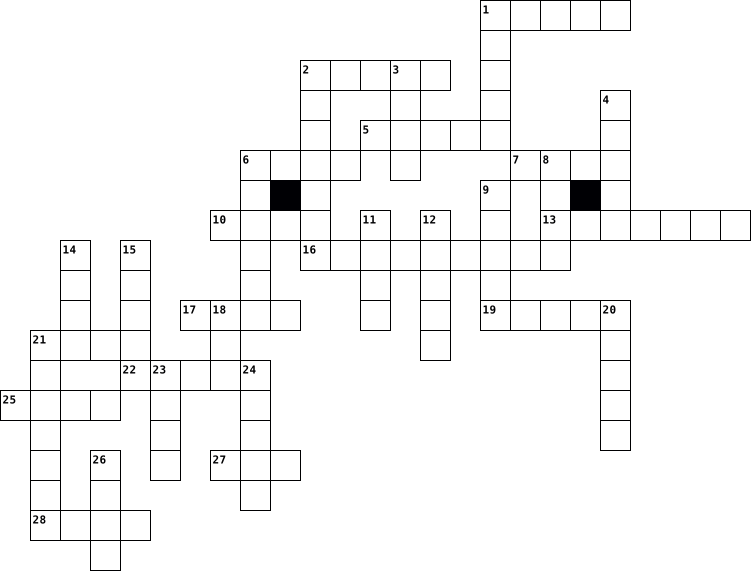
Across
- an organ you think with
- place where the sounds are produced
- the hair that some men allow to grow on their face
- the front of the head, where the eyes, nose, and mouth are
- the part of the body that joins the head to the shoulders
- the middle part of the leg that allows it to bend
- the line of short hairs above each eye in humans
- the part of the body of a person where the arm joins the body
- you have two of them too, but you use them to listen
- white objects in the mouth you use to bite and chew food
- the natural layer that covers a person or animal
- the short, thick finger on the side of your hand
- the part of the face that sticks out above the mouth, through which you breathe and smell
- the part of the body you use to walk with
- it grows on your head and skin
Down
- the red liquid that is sent around the body by the heart, and carries oxygen and important substances to organs and removes waste products
- organs you can train
- fingers on your legs
- the joint between the foot and the leg
- you point with it at someone and it is considered impolite
- you have two of them and use them to see
- the upper front part of the body of humans
- the part of the body at the bottom of the leg on which a person stands
- the soft part of the body of a person or animal that is between the skin and the bones
- the part of your body that carries your bag
- place where two bones are connected
- the part of the body you use hug another person
- an organ in your chest
- an organ in the body where food goes
- the part of the body that is used for holding, moving, touching, and feeling things
- hard parts inside a human that make up its main structure
- the part of a person's face below their mouth
32 Clues: organs you can train • fingers on your legs • an organ in your chest • an organ you think with • it grows on your head and skin • place where the sounds are produced • place where two bones are connected • an organ in the body where food goes • the joint between the foot and the leg • you have two of them and use them to see • the part of the body you use to walk with • ...
Human body 2023-02-17

Across
- one of the two holes at the end of your nose
- a solid, liquid, or gas
- a small tube-shaped part that is joined to the intestines on the right side of the body and has no use in humans
- the yellow sticky substance that forms in the outer ear
- the bone at the front of the knee joint
- an organ near the stomach that produces and cleans the body's blood
- the liquid that comes out of your body when you go to the toilet
- the part of your head that is made of bone and which protects your brain
- a piece of strong tissue in the body that holds bones together
- the coloured part of your eye
- a chemical element in teeth, bones, and chalk (= a soft, white rock) (symbol Ca)
- either of a pair of small organs in the body that take away waste matter from the blood to produce urine
- an organ in the body that contains a substance that helps you to digest food
Down
- the outer part of the elbow
- the bones that form a bowl-shaped structure in the area below the waist at the top of the legs, and to which the leg bones and spine are joined
- the long bone in the upper half of your arm, between your shoulder and your elbow
- the main part of a human body without its arms, legs, or head
- the lower part of the arm, between the wrist and the elbow
- the liquid that is made in your mouth
- an organ in the body that produces insulin
- a group of cells, found especially on the tongue, that allow different tastes to be recognized
- the black, round part in the centre of your eye
- the hard, white substance that covers your teeth
- the bitter, yellow liquid produced by the liver that helps to digest fat
- the part in the middle of your arm where it bends
- a large organ in the body that cleans the blood and produces bile, or this organ from an animal used as meat
- the short, thick finger on the side of your hand that can touch the top of all your other fingers
- a strong piece of tissue in your body that connects a muscle to a bone
- a bone that curves round from your back to your chest
29 Clues: a solid, liquid, or gas • the outer part of the elbow • the coloured part of your eye • the liquid that is made in your mouth • the bone at the front of the knee joint • an organ in the body that produces insulin • one of the two holes at the end of your nose • the black, round part in the centre of your eye • the hard, white substance that covers your teeth • ...
body systems 2023-03-08

Across
- organ that stores pee
- muscle muscle that moves on it's own
- sends signals from the brain to the body
- breaks down food into nutrients
- carries air in and out of your lungs (also known as the windpipe)
- take in oxygen lets out carbon dioxide
- receives and sends messages to the brain and tells it what to do
- intestine that absorbs nutrients from food
- supports and protects organs and creates blood
- receives and interprets information
Down
- organs that remove waste that becomes pee
- intestine connected to the small intestine
- produces blood cells
- connect muscle to skeleton
- regulates the body's growth
- uses blood to transport nutrients and oxygen throughout the body
- gets rid of waste from blood
- blood vessels
- carry oxygen rich blood from your heart to your body
- cardiac muscle
20 Clues: blood vessels • cardiac muscle • produces blood cells • organ that stores pee • connect muscle to skeleton • regulates the body's growth • gets rid of waste from blood • breaks down food into nutrients • receives and interprets information • muscle muscle that moves on it's own • take in oxygen lets out carbon dioxide • sends signals from the brain to the body • ...
Body Parts 2023-02-23
Across
- A body part you use to put shoes on
- A body part kids tend to put in their nose
- other people step on to get rid of pain
- Something you see when you look in the mirror
- Something that is between your head and body
- what you use to swing a bat
- what you swallow food with
- A body part that beats
- something you close when going to sleep
- connected to your arm
Down
- A area girls show a lot with most shirts
- something you wash after using the restroom
- Something a dentist cleans
- what boogers come out of
- something in your mouth you brush besides teeth
- a body part connected to your foot
- what others tend to shrug at other people
- what you chew food with
- what growls in the morning when u wake up
- something a man gets on to propose
20 Clues: connected to your arm • A body part that beats • what you chew food with • what boogers come out of • Something a dentist cleans • what you swallow food with • what you use to swing a bat • a body part connected to your foot • something a man gets on to propose • A body part you use to put shoes on • other people step on to get rid of pain • something you close when going to sleep • ...
BODY SYSTEMS 2023-03-01

Across
- BLOOD CELL THAT CARRIES NUTRIENTS
- TYPE OF MUSCLE THAT CREATES THE HEART
- THICKEST LAYER OF SKIN
- PART OF BLOOD THAT IS LIQUID
- ORGAN THAT ABSORBS NUTRIENTS
- THE SYSTEM THAT PROVIDES A FRAMEWORK
- FAT LAYER OF SKIN THAT CONNECTS TO MUSCLE
- OUTSIDE LAYER OF SKIN
- ORGAN THAT HOLDS URINE
Down
- BLOOD CELL THAT FIGHTS INFECTIONS
- NERVOUS SYSTEM THAT CONSIST OF THE BRAIN AND SPINAL CORD
- WORKS WITH THE BONES TO ALLOW MOVEMENT
- CONNECTION OF BONE TO ALLOW BENDING
- RELEASES HORMONES
- A JOB OF SYSTEM
- BLOOD VESSELS THAT OXYGEN AWAY FROM HEART
- A PART OF A SYSTEM
- TYPE OF MUSCLE THAT CREATES ORGANS
- PLACE WHERE BLOOD PICKS UP OXYGEN IN LUNGS
- ORGAN THAT FILTERS BLOOD
- BLOOD VESSELS THAT TAKE CARBON DIOXIDE TO LUNGS
- THE PERIPHERIAL NERVOUS SYSTEM CONSIST OF ALL THE ___
- MUSCLE THAT AIDS IN BREATHING
- LARGEST ORGAN
- HOW NERVES COMMUNICATE
25 Clues: LARGEST ORGAN • A JOB OF SYSTEM • RELEASES HORMONES • A PART OF A SYSTEM • OUTSIDE LAYER OF SKIN • THICKEST LAYER OF SKIN • HOW NERVES COMMUNICATE • ORGAN THAT HOLDS URINE • ORGAN THAT FILTERS BLOOD • PART OF BLOOD THAT IS LIQUID • ORGAN THAT ABSORBS NUTRIENTS • MUSCLE THAT AIDS IN BREATHING • BLOOD CELL THAT FIGHTS INFECTIONS • BLOOD CELL THAT CARRIES NUTRIENTS • ...
body idioms 2023-02-09

Across
- someone who have so much energy, crazy
- cary someone
- persone who is emolite
- likes candy or something that is sweet
- cry very hard
- running away from something
- my generation
- joking
- very expensive
- help someone
Down
- rule everyone knows, but never do it
- motivation
- relax
- be nervous for big event
- start before everyone starts
- get morality
- learn something to say without something
- good luck
- give all attention
- listen something that is not you problem
20 Clues: relax • joking • good luck • motivation • cary someone • get morality • help someone • cry very hard • my generation • very expensive • give all attention • persone who is emolite • be nervous for big event • running away from something • start before everyone starts • rule everyone knows, but never do it • someone who have so much energy, crazy • likes candy or something that is sweet • ...
Body Parts 2023-06-07

Across
- The upper part of the body, containing the brain, eyes, ears, nose, and mouth.
- The digits at the end of the foot.
- The protruding part of the lower face below the mouth.
- The organ in the body where food is digested.
- The lower limbs of the body, used for standing, walking, and running.
- The front part of the head that includes the eyes, nose, mouth, and chin.
- The organs of hearing, located on either side of the head.
- The fleshy, movable parts forming the edge of the mouth.
- The joints between the thighs and the lower legs, allowing for bending and straightening of the legs.
- The muscular organ in the mouth used for tasting, swallowing, and speaking.
- The limbs on either side of the body, extending from the shoulders to the hands.
Down
- The hard structures in the mouth used for biting and chewing food.
- The lower extremities of the legs, used for standing, walking, and running.
- The short, thick finger on the side of the hand, opposite the other fingers.
- The organ on the face used for smelling and breathing.
- The part of the body where the arms are attached, between the neck and the upper arms.
- The body parts at the end of the arms, consisting of the palms and fingers.
- The organs of sight, located on the face.
- The part of the body located on the opposite side of the chest, between the neck and the waist.
- The opening in the face through which food is taken in and words are spoken.
- The slender appendages at the end of the hands, used for gripping and manipulating objects.
- The part of the body that connects the head to the rest of the torso.
22 Clues: The digits at the end of the foot. • The organs of sight, located on the face. • The organ in the body where food is digested. • The protruding part of the lower face below the mouth. • The organ on the face used for smelling and breathing. • The fleshy, movable parts forming the edge of the mouth. • The organs of hearing, located on either side of the head. • ...
Body-06 2023-06-04

Across
- foot
- hand
- eyebrows
- chin
- jaw
- hair
- knee
- ear
- forehead
- brain
- head
- mouth
Down
- leg
- eye
- nariz
- chest
- skull
- lips
- tongue
- arm
- tooth
- cheek
- garganta
- hair
- finger
- face
- neck
27 Clues: leg • eye • jaw • arm • ear • foot • hand • chin • lips • hair • knee • hair • face • head • neck • nariz • chest • skull • tooth • cheek • brain • mouth • tongue • finger • eyebrows • forehead • garganta
Body Systems 2023-05-18

Across
- This protects your heart and lungs.
- What part of the brain is responsible for balance?
- These carry blood toward your heart.
- This protects your brain.
- This is where thinking happens.
- The longest bone in your body.
- A organ used to filter blood into urine.
- What is the sac that holds food?
- What is the final part of the heart?
- What body system gives you support?
- Blood transports this.
Down
- Organs are made of this.
- What carries blood away from your heart?
- After exercising your heart rate will do this.
- A single tube where urine will travel out of the body.
- What is the sac that holds urine?
- What body system is in charge of absorbing nutrients?
- What percentage of your body mass is water?
- The smallest structure in your body plan.
- What transports urine to the bladder?
20 Clues: Blood transports this. • Organs are made of this. • This protects your brain. • The longest bone in your body. • This is where thinking happens. • What is the sac that holds food? • What is the sac that holds urine? • This protects your heart and lungs. • What body system gives you support? • These carry blood toward your heart. • What is the final part of the heart? • ...
Body Parts 2023-06-17

Across
- - One of the digits on the foot
- - Covers the head
- - Opening for eating and speaking
- - Connects the head to the body
- - Joint in the middle of the leg
- - One of the digits on the hand
- - Joint connecting the arm to the body
- - Lower limb
- - Sensory organ for hearing
Down
- - Lower part of the leg used for walking
- - Rear part of the torso
- - Upper limb
- - Upper front part of the torso
- - Joint in the middle of the arm
- - Top part of the body
- - Part of the arm used for gripping
- - Hard structures used for biting and chewing
- - Organ for smelling
- - Surrounds the opening of the mouth
- - Sensory organ for sight
20 Clues: - Upper limb • - Lower limb • - Covers the head • - Organ for smelling • - Top part of the body • - Rear part of the torso • - Sensory organ for sight • - Sensory organ for hearing • - One of the digits on the foot • - Upper front part of the torso • - Connects the head to the body • - One of the digits on the hand • - Joint in the middle of the arm • - Joint in the middle of the leg • ...
MY BODY 2023-06-18

Across
- This main bone contains vertebrae for flexibility
- Fishes detect their prey using this part of their body
- This connects the nose with the lungs
- Joint present in wrist and ankle
- This organ help the insects to smell and taste
- Two balloon like structures in the breathing system
- Air enters the body through this part of the nose.
- Directs the sound waves to the inner ear
- The small round black spot in the centre of the eye
- The nerve connecting brain and the eye
- Joint present in elbow, knee, toe and fingers
- Sounds that humans cannot hear
- Process of taking oxygen and giving out carbon dioxide
- This band-like tissue joins bones together
Down
- End of the bones are covered with this smooth and shiny substance
- Joint present in hip and shoulder
- Conveys vibrations from the ear drum to inner ear
- Information is passed in the body nerves in the form of _________
- The longest cone of the body
- Screen of the eye on which images are formed
- Joint present between skull and first two vertebrae
- The organ that protects the brain
- The common name for bones in hands and legs
- It is made up of 206 bones for an adult
- Part of ear that helps to hear and maintains balance of the body
- Bones in pairs that protect heart and lungs
- Factory for making blood cells
- The dark structure in front of the eyeball
28 Clues: The longest cone of the body • Factory for making blood cells • Sounds that humans cannot hear • Joint present in wrist and ankle • Joint present in hip and shoulder • The organ that protects the brain • This connects the nose with the lungs • The nerve connecting brain and the eye • It is made up of 206 bones for an adult • Directs the sound waves to the inner ear • ...
The Body 2023-06-21

Across
- quijada
- cabeza
- back
- mouth
- pie
- leg
- oreja
- hand
- cuello
- shoulder
Down
- chin
- ojo
- pelo
- chest
- forehead
- finger
- brazo
- encias
- nose
- cachete
20 Clues: ojo • pie • leg • chin • pelo • back • hand • nose • chest • mouth • brazo • oreja • cabeza • finger • encias • cuello • quijada • cachete • forehead • shoulder
Human body 2023-06-23

Across
- Erythrocytes also known as _______
- _____ provides circulation of blood around the body
- the system that comprises the arteries, capillaries and veins is ______
- ______ is the smallest bone in the human body
- the organ that filters blood and removes waste
- a blood vessel that carries blood away from the heart
- The largest organ in the human body is ______
- Also known as white blood cells serves as defense cells
- a type of vein that deliver oxygenated blood from the lungs to the heart
Down
- they are often called thrombocytes and are responsible for blood clotting
- _____ bone protects the spinal cord
- _____ carry blood towards the heart
- system that exchanges gases ie oxygen and carbon dioxide
- ______ connects bone to bone
- _____ supports and protects various organs in the body
- bones that don't meet
- bones that surrounds the lungs
- full form of Hb
- Largest internal organ and gland in the human body
- the biggest bone in the human body ___
20 Clues: full form of Hb • bones that don't meet • ______ connects bone to bone • bones that surrounds the lungs • Erythrocytes also known as _______ • _____ bone protects the spinal cord • _____ carry blood towards the heart • the biggest bone in the human body ___ • ______ is the smallest bone in the human body • The largest organ in the human body is ______ • ...
Body Systems 2023-04-19

Across
- part of the brain that controls involuntary actions
- organ that stores bile
- connects bone to bone
- part of the blood that carries oxygen to the body and carbon dioxide to the lungs
- part of the brain that controls thoughts and voluntary actions
- intestine that absorbs water into the body
- tube from the nose to the lungs
- organ that filters blood, stores nutrients, and produces bile
- part of the blood that helps with clotting
- involuntary muscle found in heart
- organ that filters toxins from blood and produces urine
Down
- part of the blood that defends the body
- part of the digestive system that produces digestive enzymes and insulin
- blood vessels that carries blood towards the heart
- involuntary muscle found in internal organs
- voluntary muscle attached to bones
- part of the brain that controls balance and coordination
- fluid that makes up most of your blood
- tube that connects kidneys to bladder
- sacs where gas exchange occurs in the lungs
- connects bone to muscle
- blood vessel that carries blood away from the heart
- intestine that absorbs nutrients into the body
23 Clues: connects bone to bone • organ that stores bile • connects bone to muscle • tube from the nose to the lungs • involuntary muscle found in heart • voluntary muscle attached to bones • tube that connects kidneys to bladder • fluid that makes up most of your blood • part of the blood that defends the body • intestine that absorbs water into the body • ...
Body systems 2023-03-10

Across
- One of the two major organs in the endocrine sytem
- Main organs in the body
- Provides our body with oxygen
- Receives messages to tell the body what to do
- Make hormones and release them directly into the blood
- Breaks down food into usable nutrients
- Stores urine
- Regulates the body's growth
- One of the major organs in the digestive system
- Sends messages to the brain
- Takes in oxygen and lets out carbon dioxide
Down
- Gets rid of waste from blood
- Cardiac muscle,smooth muscle,skeletal muscle,and tendons
- Protects the body from external factros such as bacteria,chemicals,etc
- Allows movement and gives the body its shape
- Maintains body temperature
- Part of maintaining the temperature of the human body
- pumps blood around the body all the time
- Uses blood to transport nutrients
- Support and protect organs/create blood
20 Clues: Stores urine • Main organs in the body • Maintains body temperature • Regulates the body's growth • Sends messages to the brain • Gets rid of waste from blood • Provides our body with oxygen • Uses blood to transport nutrients • Breaks down food into usable nutrients • Support and protect organs/create blood • pumps blood around the body all the time • ...
My Body 2023-04-04

Across
- dua kaki bagian bawah
- siku
- dua lutut
- dua pundak
- kepala
- pundak
- dada
- lengan
- dua siku
- banyak gigi
- sepuluh jari
- tangan
- dua mata
Down
- dua telapak tangan
- jari
- mata
- mata
- hidung
- lutut
- dua telinga
- tubuh
- dua lengan
- telapak tangan
- perut
- dua kaki
- mulut
- kaki
- kaki bagian bawah
- telinga
29 Clues: jari • mata • siku • mata • dada • kaki • lutut • tubuh • perut • mulut • hidung • kepala • pundak • lengan • tangan • telinga • dua siku • dua kaki • dua mata • dua lutut • dua pundak • dua lengan • dua telinga • banyak gigi • sepuluh jari • telapak tangan • kaki bagian bawah • dua telapak tangan • dua kaki bagian bawah
Body Systems 2023-05-01

Across
- brain to body
- throat
- breakdown of carbs by amylase
- increased response
- decreased response
- hormones or chemical messengers are secreted by
- to the hear
- away from heart
- connects mouth to lungs
- first heart chamber
- red blood cells transport
- diaphragm moves down
- filters blood
Down
- build up of plaque in artery
- intestine absorbs water
- automatic response
- absorption of nutrients excretion of waste
- small blood vessels
- internal balance
- body to brain
- stomach churning
- blood clot
- white blood fight off
- gas exchange occurs here
- regulates body hormones
- diaphragm moves up
26 Clues: throat • blood clot • to the hear • brain to body • body to brain • filters blood • away from heart • internal balance • stomach churning • automatic response • increased response • decreased response • diaphragm moves up • small blood vessels • first heart chamber • diaphragm moves down • white blood fight off • intestine absorbs water • regulates body hormones • connects mouth to lungs • ...
Human body 2023-05-04

Across
- Tough tissue attached to bones, contract and relax for movement
- Middle of your leg where it bends
- The largest organ in the humans body
- Nervous system organ that controls all actions
- Protects most of the major organs
- These help the body to get rid of waste substances.They make urine
- Name of what grows on top of your head
- The only bones in your body that can help you chew food
- Red liquid that flows inside your body
- Two outer parts of the edge of your mouth
- Makes the blood move around your body
- A hard part inside your body
- These are used to see
- The bone that forms the forehead
- The upper part of the human torso, between the neck and abdomen
- Long thin parts at the end of each hand
- What you walk with
Down
- Rhythmic beating in arteries
- The bone that forms the lowwer jaw
- You breathe with them
- Where your foot joins your leg
- Between your hand and your arm that bends when you move your hand
- Stores you urine
- The only body part in your body that helps you smell things
- The joint that connects the thigh bone and the pelvis
- Where food goes
- On top above your eyes
- Large organ that cleans your blood
- The sense of taste
- The only body part that helps you hear
30 Clues: Where food goes • Stores you urine • The sense of taste • What you walk with • You breathe with them • These are used to see • On top above your eyes • Rhythmic beating in arteries • A hard part inside your body • Where your foot joins your leg • The bone that forms the forehead • Middle of your leg where it bends • Protects most of the major organs • The bone that forms the lowwer jaw • ...
body 2 2023-05-02

Across
- El cuerpo humano
- el dedo del pie
- la mano
- la columna
- la garaganta
- el corazon
- el talon
- las piernas
- el pulmon
- el musculo
- el puno
- la piel
- la nudillos
- la pantorrilla
- el hueso
Down
- la sangre
- el estomago
- el dedo
- las costillas
- la muneca
- la espinilla
- el pie
- la una
- la rodilla
- el pulgar
- el tobillo
- el esqueleta
- la calavera
- el muslo
- el cerebro
30 Clues: la una • el dedo • la muneca • el pie • la mano • el musculo • el puno • el muslo • la piel • la nudillos • el hueso • la sangre • el estomago • el pulgar • el talon • el esqueleta • la columna • el corazon • el pulmon • el tobillo • el cerebro • El cuerpo humano • la garaganta • la rodilla • las piernas • ...
BODY PARTS 2022-12-14

Across
- PICTURE 7
- PICTURE 15
- PICTURE 21
- PICTURE 6
- PICTURE 8
- PICTURE 5
- PICTURE 20
- PICTURE 3
- PICTURE 12
- PICTURE 13
- PICTURE 1
- PICTURE 10
Down
- PICTURE 19
- PICTURE 23
- PICTURE 22
- PICTURE 11
- PICTURE 14
- PICTURE 16
- PICTURE 2
- PICTURE 9
- PICTURE 18
- PICTURE 17
- PICTURE 4
23 Clues: PICTURE 7 • PICTURE 6 • PICTURE 8 • PICTURE 2 • PICTURE 5 • PICTURE 9 • PICTURE 3 • PICTURE 4 • PICTURE 1 • PICTURE 19 • PICTURE 23 • PICTURE 22 • PICTURE 15 • PICTURE 11 • PICTURE 21 • PICTURE 14 • PICTURE 16 • PICTURE 20 • PICTURE 18 • PICTURE 17 • PICTURE 12 • PICTURE 13 • PICTURE 10
Body parts 2024-11-12

Across
- hår
- leppe
- hode
- tå
- hånd
- tunge
- legg
- øyenbryn
- kinn
- fot
- kne
Down
- mage
- skulder
- panne
- munn
- hel
- nese
- bryst
- thigh
- hake
- finger
- rygg
22 Clues: tå • hår • hel • fot • kne • mage • hode • munn • hånd • nese • legg • kinn • hake • rygg • panne • leppe • tunge • bryst • thigh • finger • skulder • øyenbryn
Human Body 2024-11-11

Across
- This system circulates blood throughout the body.
- The ___ is known as the control center of the body
- This bone is also known as the funny bone but it's not very funny when you hit it.
- This organ is in the circulatory system.
- ___ muscles are muscles that move by thinking about them.
- This system helps us move our body
- ___ muscles are muscles that move on their own, I don't have to think about them to move them.
- These blood cells fight off infections that enter the body.
- This system is your bodies support structure.
- This organ is in the nervous system.
- The _____ provides the structure or framework for the human body
- These blood cells carry oxygen throughout the body.
Down
- This is a bone near your hip in the body
- this organ is in the muscular system.
- Where does the digestive process begin?
- This system helps your body breathe.
- This organ is in the skeletal system
- This system carries messages from your brain to the rest of your body
- __ bones form the ankle and the arch of the mid foot
- The ____ moves food from your mouth to your stomach
- This organ is in the digestive system
- This system helps the body digest food.
- This bone is a lower limb (near the leg)
- This organ is in the respiratory system.
24 Clues: This system helps us move our body • This system helps your body breathe. • This organ is in the skeletal system • This organ is in the nervous system. • this organ is in the muscular system. • This organ is in the digestive system • Where does the digestive process begin? • This system helps the body digest food. • This is a bone near your hip in the body • ...
our body 2025-02-06

Across
- knee
- head
- shoulder
- neck
- teeth
- chest
- foot
- eyes
- leg
- finger
- heel
- chin
Down
- mouth
- thumb
- hand
- hair
- cheek
- stomach
- head
- tongue
- nose
- ear
- back
- eyebrow
- lip
25 Clues: ear • lip • leg • knee • hand • hair • head • head • neck • nose • foot • back • eyes • heel • chin • mouth • thumb • cheek • teeth • chest • tongue • finger • stomach • eyebrow • shoulder
Body Parts 2025-01-31

Across
- finger – The finger next to your thumb, used for pointing.
- – The part between your head and your shoulders.
- – The dried or sticky stuff inside your nose.
- – The thin tubes in your body that carry blood.
- – The joint in the middle of your leg that helps you bend it.
- – The short, thick finger on your hand.
- - The soft part inside your mouth that helps you taste and speak.
- – The unique pattern on the tip of your finger.
- – The joint that connects your foot to your leg.
- – The front part of your lower body, where food goes when you eat.
- – The joint in the middle of your arm that helps you bend it.
- – The part of your body between your ribs and hips.
- – The smallest finger on your hand.
- – The small parts at the end of your foot.
- – The lower part of your face, below your mouth.
Down
- – The hairs above your eyes that help keep sweat out.
- – The inside part of your neck that helps you swallow and speak.
- – The soft, lower part of your ear.
- – The front part of your upper body, above your stomach.
- finger – The longest finger on your hand.
- – The small hairs on your eyelids that protect your eyes.
- – The part of your body where your arm connects.
- – The back part of your lower leg.
- – The sides of your body, below your waist.
- finger – The finger between the middle finger and pinky, where rings are often worn.
- – The part where your fingers bend.
- – The part between your hand and your arm.
- – The upper part of your leg, between your knee and hip.
28 Clues: – The back part of your lower leg. • – The soft, lower part of your ear. • – The part where your fingers bend. • – The smallest finger on your hand. • – The short, thick finger on your hand. • finger – The longest finger on your hand. • – The part between your hand and your arm. • – The small parts at the end of your foot. • – The sides of your body, below your waist. • ...
My body 2024-10-09

Across
- I split in two to supply each lung with air
- the process of breathing out
- Air travels through me to get to the lungs
- i'm a thin sticky film on the teeth
- I'm apart of the respiratory system
- i'm the gas that goes in the body
- i am located at the front of the mouth
- there are 20 of me
- i protect the lungs
- i'm the gas that comes out of the body
- I'm shaped like the letter J
- the outer most part of the teeth
Down
- there are 32 of me
- I am another name for the trachea
- I absorb water
- i'm used to tear meat
- i'm used to get food from between the teeth
- i'm used for grinding and crushing food
- I line the stomach to protect it from acid
- the process of breathing in air
20 Clues: I absorb water • there are 32 of me • there are 20 of me • i protect the lungs • i'm used to tear meat • the process of breathing out • I'm shaped like the letter J • the process of breathing in air • the outer most part of the teeth • I am another name for the trachea • i'm the gas that goes in the body • i'm a thin sticky film on the teeth • I'm apart of the respiratory system • ...
Human body 2025-03-17

Across
- Connects the brain and spinal cord; controls involuntary actions
- Material found inside bones, responsible for blood cell formation
- Soupy mixture of food, acid, and enzymes that is created in our stomach through mechanical and chemical digestion
- involuntary muscle contractions that help push food down our esophagus to our stomach
- Sends messages from the CNS to effectors to initiate a response
- connects bone to bone
- found in our lungs; responsible for increasing the surface area of our lungs so we can absorb more oxygen into our cells and get rid of carbon dioxide.
- connects muscle to bone
- Largest part of brain, divided into 2 hemispheres, 4 lobes; where we think and hold memories
- Mass of chewed food
Down
- Muscle contracts we can bend part of our body and when an extensor muscle contracts we can straighten part of our body
- sends messages from receptors to the CNS
- Specialized cell of the nervous system with specific structures to carry messages
- Brain and Spinal Cord
- how urine exits the body
- What comprises our Peripheral Nervous System
- Helps absorb nutrients in the small intestine
- part of the CNS and involved in decision making
- Processes sensory information and helps us keep our balance
- allows urine (waste) from the kidneys to travel to the bladder
20 Clues: Mass of chewed food • Brain and Spinal Cord • connects bone to bone • connects muscle to bone • how urine exits the body • sends messages from receptors to the CNS • What comprises our Peripheral Nervous System • Helps absorb nutrients in the small intestine • part of the CNS and involved in decision making • Processes sensory information and helps us keep our balance • ...
The body 2025-04-13

Across
- to enable the leg to bend
- the organ on the outside of the body
- the bones of the head
- used to breathe
- the bag where food first goes
- the gas you breathe in, needed by every cell
- the hand digit that enables you to hold
- used to chew food
- to enable you to see
- to enable the arm to bend
- connects the arm to the trunk
- pumps blood around the body
- houses the lungs and heart
- the longest limb
Down
- used to smell
- the hard material on the end of digits
- allows you to taste
- the liquid which takes oxygen to your cells
- used to walk on
- allows you to listen
- a digit of the hand
- all the bones of the body
- used for touch and holding things
- lets in air and food
- connects the hand to the arm
- a digit of the foot
- the hard tissue that gives you a frame
- the soft parts that give you strength
- joins the shoulder to the hand
29 Clues: used to smell • used to walk on • used to breathe • the longest limb • used to chew food • allows you to taste • a digit of the hand • a digit of the foot • allows you to listen • lets in air and food • to enable you to see • the bones of the head • to enable the leg to bend • all the bones of the body • to enable the arm to bend • houses the lungs and heart • pumps blood around the body • ...
Body parts 2025-04-14

Across
- This long column of bones supports your back and helps you stand up straight.
- You use this to talk, eat, smile, and yawn.
- It's right next to your thumb and often used for pointing.
- A bump on the throat that moves when some people talk or swallow.
- You need these two organs to breathe in oxygen and breathe out carbon dioxide.
- These connect your arms to your torso and help you shrug.
- The short, thick finger that helps you grip things—opposite your fingers.
- Tiny pathways that send signals between your brain and body.
- These tissues contract to help you move your body.
- The joint in the middle of your arm that lets you bend it.
Down
- The flat part of your face above your eyebrows.
- The outermost layer that protects your body from the outside world.
- An organ that helps digest food and control blood sugar.
- Where two bones meet and let your body bend and move.
- These hard structures form your skeleton and help support your body.
- A strong muscle in your mouth that helps you taste and talk.
- These long tubes inside your belly help digest food and absorb nutrients.
- A dome-shaped muscle under your lungs that helps you breathe.
- The small mark on your abdomen where your umbilical cord was attached.
- This strip of hair above your eyes helps keep sweat and dust out.
20 Clues: You use this to talk, eat, smile, and yawn. • The flat part of your face above your eyebrows. • These tissues contract to help you move your body. • Where two bones meet and let your body bend and move. • An organ that helps digest food and control blood sugar. • These connect your arms to your torso and help you shrug. • ...
Human Body 2025-04-16

Across
- proteins produced by the immune system in response to specific antigens
- chemical messengers secreted by glands that aid in cell to cell communication
- human body system designed to transport molecules throughout the body
- Protein molecules found on the cell membranes of pathogens and provoke an immune response
- human body system designed to protect the body from harmful pathogens
- regulation mechanisms that work to maintain homeostasis in an organism
- Specifically-shaped protein molecules on a cell membrane that receive signals from outside the cell
- A condition caused by HIV characterized by a severely weakened immune system
- blood cell that transports oxygen throughout the body
- small cell fragments in the blood that help in blood clotting
- human body system designed for control and coordination of the organism
- the body's response to a substance that it mistakenly identifies as harmful
- human body system of glands that produce and secrete hormones
Down
- A hormone produced and released by the pancreas to raise blood sugar
- harmful microorganisms
- human body system designed to break down food into nutrients
- A virus that attacks the immune system, killing white blood cells and weakening the immune system
- The molecule that diffuses from the blood to the lungs to be exhaled
- main organ of the nervous system
- steady internal state of an organism
- human body system designed to remove waste products from the body
- A hormone produced and released by the pancreas to lower blood sugar
- main organ of the cardiovascular system
- human body system designed to take in oxygen and remove carbon dioxide
- organ that produces and secretes insulin and glucagon
- liquid portion of human blood
- main organ of the respiratory system
- The molecule that diffuses from the lungs to the blood to be transported to the body cells that need it
- blood cell that is part of the circulatory system and immune system
29 Clues: harmful microorganisms • liquid portion of human blood • main organ of the nervous system • steady internal state of an organism • main organ of the respiratory system • main organ of the cardiovascular system • organ that produces and secretes insulin and glucagon • blood cell that transports oxygen throughout the body • ...
Body Parts! 2025-04-21

Across
- You brush this every morning.
- This helps you walk and wear shoes.
- You smell flowers with this.
- You use this to wave hello.
- You need this to run or jump.
- You see everything with this.
- It bends in the middle of your leg.
- Grows on top of your head.
- You use this to think and remember.
- You taste food with this.
- You use this to eat and talk.
- This bends in the middle of your arm.
Down
- A hat goes on this part.
- You count to ten using these.
- These are at the end of your foot.
- It beats inside you all the time.
- Covers and protects your whole body.
- It holds up your head.
- You hear music with this.
- The back part of your foot.
- You lean on this when you sit.
- You lift this to reach a shelf.
- The short, strong finger that helps you grip things.
- Your heart beats inside here.
24 Clues: It holds up your head. • A hat goes on this part. • You hear music with this. • You taste food with this. • Grows on top of your head. • You use this to wave hello. • The back part of your foot. • You smell flowers with this. • You brush this every morning. • You count to ten using these. • You need this to run or jump. • You see everything with this. • You use this to eat and talk. • ...
My body 2025-05-20

Across
- čelo
- zuby
- vlasy
- kost
- chodidlo
- koleno
- paže
- plíce
- oko
- sval
- zub
Down
- chodidla
- záda
- krk
- prst (na ruce)
- prst (na noze)
- srdce
- pusa, ústa
- hlava
- ruka
- nos
- obličej
- ucho
- noha
24 Clues: krk • nos • oko • zub • záda • čelo • zuby • ruka • kost • ucho • paže • noha • sval • srdce • vlasy • hlava • plíce • koleno • obličej • chodidla • chodidlo • pusa, ústa • prst (na ruce) • prst (na noze)
Body Systems 2025-04-17

Across
- Breaks food into usable nutrients.
- Keeps body balanced and functioning.
- Long cells that produce force.
- Carry oxygen-rich blood away.
- Moves blood through the body.
- Allows movement through muscle contractions.
- Removes waste from the body.
- Bring blood back to heart.
- Chemical messengers for body functions.
- Breaks food by mechanical means.
Down
- Brings oxygen into the body.
- Releases hormones to regulate body.
- Organs that secrete useful substances.
- Contracts to help create movement.
- Tiny blood vessels for exchange.
- Allows humans to create offspring.
- Keeps internal body conditions stable.
- Breaks down food for energy.
- Supports and protects internal organs.
- Sends signals through electrical impulses.
20 Clues: Bring blood back to heart. • Brings oxygen into the body. • Breaks down food for energy. • Removes waste from the body. • Carry oxygen-rich blood away. • Moves blood through the body. • Long cells that produce force. • Tiny blood vessels for exchange. • Breaks food by mechanical means. • Breaks food into usable nutrients. • Contracts to help create movement. • ...
The body 2025-05-12

Across
- yellow discoloration of the skin
- bone in the wrist
- bone in the upper arm
- collar bone
- reddish color
- get smaller
- bluish discoloration
- lower leg
- freckles
Down
- oil glands
- flexible bones of fibrous
- ends on the diaphysis
- baldness
- long shaft on a long bone
- the skull
- outermost layer of skin
- where two bones connect
- “true skin”
- body parts near sacral region
- bone in the thigh
20 Clues: baldness • freckles • the skull • lower leg • oil glands • “true skin” • collar bone • get smaller • reddish color • bone in the wrist • bone in the thigh • bluish discoloration • ends on the diaphysis • bone in the upper arm • outermost layer of skin • where two bones connect • flexible bones of fibrous • long shaft on a long bone • body parts near sacral region • yellow discoloration of the skin
The body 2025-06-30

Across
- – Helps you move
- – Muscle that helps you breathe
- – Longest bone in the body
- – Controls how much light enters the eye
- – The Body’s largest organ
- – Helps with tasting and speaking
- – Circulates oxygen and nutrients
- – Opening of the nose
- – Digests food
- – Carries blood to the heart
- – Transmits signals through the body
- – Organ that controls thought and movement
Down
- – Pumps blood throughout the body
- – Carries blood away from the heart
- – Organs used to breathe
- – Where two bones meet
- – Produces insulin
- – Filters waste from the blood
- – Hard structure in the mouth
- – Colored part of the eye
- – Voice box
- – Supports the body and protects the spinal cord (5)
- – Filters toxins from the blood
- – Framework of the body
- – Vibrates when sound waves hit it
25 Clues: – Voice box • – Digests food • – Helps you move • – Produces insulin • – Opening of the nose • – Where two bones meet • – Framework of the body • – Organs used to breathe • – Colored part of the eye • – Longest bone in the body • – The Body’s largest organ • – Carries blood to the heart • – Hard structure in the mouth • – Filters waste from the blood • – Muscle that helps you breathe • ...
BODY & HEALTH 2025-07-06

Across
- the whole physical person
- the two soft parts around your mouth
- to make it hurt less or bother you less
- a doctor who takes care of teeth
- a pain in a head
- a pain in a tooth
- the bottom part of your face below your mouth
- not feeling well or healthy
- strong and well
Down
- a pain in a stomach
- the red liquid in your body
- the feeling caused by something that hurts
- the middle, front part of your body
- someone who helps sick people
- the body part between your head and shoulders
- something used to help an ill person
- one of the five long, thin parts on your hand
- to be in pain
- the outer part of a person’s whole body
- one of the small hard things inside the mouth
20 Clues: to be in pain • strong and well • a pain in a head • a pain in a tooth • a pain in a stomach • the whole physical person • the red liquid in your body • not feeling well or healthy • someone who helps sick people • a doctor who takes care of teeth • the middle, front part of your body • the two soft parts around your mouth • something used to help an ill person • ...
Body parts 2025-07-12

Across
- Khi cột cao kiểu này sẽ tạo vẻ thể thao, năng động, đặc biệt là trong các hoạt động ngoại khóa. Nếu cột thấp thì lại mang nét dịu dàng, nữ tính. Dễ dàng thực hiện mà không cần nhiều dụng cụ. Phù hợp khi đi học hoặc tập thể dục. Càng đẹp hơn nếu kết hợp cùng nơ hoặc dây buộc màu sắc. Không gây cảm giác nóng nực trong thời tiết oi bức. Dễ thay đổi phong cách chỉ với một vài bước nhỏ.
- Phần này nằm phía trên đôi mắt, giúp bảo vệ mắt khỏi mồ hôi hoặc bụi rơi xuống. Nó còn góp phần quan trọng trong việc biểu cảm, ví dụ khi ngạc nhiên hoặc tức giận. Một số người chọn chỉnh sửa hoặc tạo hình cho phần này để làm gương mặt trở nên sắc nét hơn. Trong nghệ thuật hóa trang, người ta có thể vẽ đậm hoặc thay đổi hình dạng của nó. Đây cũng là một đặc điểm dễ nhận biết giữa các khuôn mặt khác nhau.
- Đây là các phần nhỏ nằm ở đầu bàn chân, giúp giữ thăng bằng và điều chỉnh tư thế khi đứng hoặc di chuyển. Nếu mang giày quá chật, các phần này dễ bị đau hoặc phồng rộp. Khi tập yoga hoặc thể dục, cần chú ý tư thế để không tạo áp lực lên các khớp này. Trong văn hóa phương Đông, người ta thường mát-xa khu vực này để giảm mệt mỏi. Mỗi ngón đều có móng và độ dài khác nhau.
- Đây là nơi nối giữa cánh tay và thân người, rất quan trọng trong các hoạt động mang vác hoặc chơi thể thao. Nếu mang cặp nặng quá lâu, khu vực này dễ bị mỏi hoặc đau. Trong đồng phục học sinh, đây là phần thường được thiết kế vai áo để giữ dáng. Khi mỏi, học sinh có thể xoay vòng nhẹ để thư giãn phần này. Đây cũng là vị trí thể hiện sự gồng lực khi làm việc căng thẳng.
- Những người như vậy thường nổi bật giữa đám đông và dễ thu hút ánh nhìn. Khi mặc trang phục đơn giản vẫn toát lên sự thanh thoát và lịch thiệp. Trong thể thao, họ thường chiếm ưu thế về sải tay, sải chân. Dáng người này được các thương hiệu thời trang rất ưa chuộng. Tuy nhiên, đôi khi sẽ hơi khó tìm kích cỡ trang phục phù hợp. Thường được giao các vai trò đại diện hoặc lãnh đạo vì tạo cảm giác uy tín. Khi nói chuyện, người khác phải ngẩng đầu lên để nhìn họ .
- Cơ quan này thường nằm ở hai bên đầu, giúp chúng ta tiếp nhận âm thanh xung quanh. Khi có tiếng động lạ hoặc âm thanh lớn bất ngờ, phản xạ đầu tiên thường là quay đầu về hướng đó. Nếu bị nhiễm lạnh hoặc ngồi gần loa quá lớn, cơ quan này có thể bị đau hoặc ù. Khi đeo tai nghe lâu mà không nghỉ ngơi, dễ bị ảnh hưởng đến thính giác. Ở một số nền văn hóa, người ta còn dùng đồ trang sức để làm đẹp cho bộ phận này.
- Đây là chiều cao phổ biến nhất trong cộng đồng, không quá nổi bật nhưng lại dễ phối hợp với người khác khi làm việc nhóm. Khi chọn trang phục, họ thường không cần quá chú ý đến việc kéo dài cơ thể bằng màu sắc hay thiết kế. Dáng này tạo sự cân đối giữa chiều cao và vóc dáng chung. Rất phù hợp để tham gia biểu diễn hoặc làm mẫu ảnh. Trong các hoạt động xã hội, thường dễ hòa nhập vì không quá khác biệt. Những người có dáng như vậy thường được xem là “vừa vặn” trong mọi hoàn cảnh.
- Đây là phần dưới cơ thể, gồm nhiều khớp và cơ giúp con người đứng, đi và chạy. Khi chơi các môn thể thao như đá bóng, cầu lông, nơi này hoạt động liên tục. Việc ngồi lâu không vận động sẽ khiến khu vực này bị tê hoặc mỏi. Nhiều bạn học sinh thích đi dạo để giúp khu vực này được thư giãn. Ngoài ra, nơi này còn được sử dụng nhiều trong múa hoặc nhảy hiện đại.
- Thường xuất hiện ở người lớn tuổi, nhưng hiện nay lại trở thành xu hướng thời trang cá tính. Khi phối đồ đúng cách, màu này thể hiện sự sang trọng và độc đáo. Phù hợp với phong cách tối giản, hiện đại. Người trẻ cũng hay chọn nhuộm màu này để tạo ấn tượng. Cần dùng sản phẩm giữ màu để tránh ánh vàng không mong muốn. Khi kết hợp với các kiểu cắt hiện đại sẽ rất thời thượng. Phản chiếu ánh sáng khá đẹp khi được dưỡng kỹ.
- Đây là bộ phận được chú ý nhiều nhất khi gặp gỡ người khác, thể hiện rõ nét nhất về cảm xúc. Mỗi người đều có cấu trúc khuôn riêng, tạo nên sự khác biệt và nhận diện. Khi cười, nơi này trở nên rất sinh động và dễ tạo thiện cảm. Trong nghệ thuật trang điểm, đây là vùng được chăm sóc kỹ nhất. Cũng là nơi thể hiện sự mệt mỏi, vui vẻ, buồn bã một cách rõ rệt.
- Mỗi lọn xoăn đều tạo nên cá tính và sự đặc biệt cho người sở hữu. Tuy cần nhiều thời gian chăm sóc nhưng lại rất nổi bật trong đám đông. Khi để tự nhiên, nó mang lại cảm giác tự do, phóng khoáng. Người có khuôn mặt tròn thường trông dễ thương hơn khi để kiểu này. Nếu được giữ ẩm đúng cách, kiểu này rất quyến rũ và bồng bềnh. Có thể dùng gel hoặc mousse để giữ nếp lâu hơn. Những người nổi tiếng hay chọn kiểu này để thể hiện cá tính riêng.
- Đây là kiểu rất phổ biến vì dễ chăm sóc và phù hợp với nhiều phong cách. Khi đi học hoặc đi làm, nó mang lại vẻ gọn gàng, nghiêm túc. Dễ tạo kiểu như buộc đuôi ngựa, tết hoặc búi cao. Nhìn vào sẽ thấy mượt mà, thanh thoát. Nếu được dưỡng tốt thì luôn óng ả dưới ánh sáng. Phù hợp với thời tiết nóng ẩm vì ít rối hơn. Là lựa chọn hàng đầu của nhiều học sinh và nhân viên văn phòng.
- Đây là giai đoạn của sự chín chắn và kinh nghiệm. Dáng vẻ thể hiện sự điềm đạm, tự tin, thường có phong cách ăn mặc lịch sự và trang nhã. Gương mặt có thể bắt đầu xuất hiện vài nếp nhăn nhưng vẫn giữ nét nghiêm túc. Họ thường đảm nhận những vai trò quan trọng trong gia đình hoặc tổ chức. Người như vậy thường nói năng rõ ràng, rành mạch và có tư duy tổ chức tốt. Khi gặp vấn đề, họ biết cách xử lý ổn thỏa nhờ kinh nghiệm sống. Trang phục và cử chỉ luôn thể hiện sự trưởng thành.
- Dáng người cân đối, gương mặt góc cạnh và ánh mắt mạnh mẽ là đặc điểm thường thấy. Phù hợp với các kiểu trang phục lịch sự như sơ mi, vest hoặc thể thao năng động. Khi đi lại, thường tạo cảm giác tự tin và quyết đoán. Vẻ ngoài thu hút khiến người khác dễ chú ý trong lần đầu gặp gỡ. Giọng nói trầm ấm và cách cư xử ga lăng cũng góp phần tạo nên sức hút. Họ thường xuất hiện trong các vai trò nổi bật như lớp trưởng, người đại diện,... Có thể nói chuyện cuốn hút và biết quan tâm người khác .
- Khi nhìn từ phía sau, bạn sẽ thấy kiểu này thường bay nhẹ theo gió. Nhiều người chọn để như vậy vì có thể tạo nhiều kiểu. Nó mang lại vẻ dịu dàng, nữ tính. Tuy nhiên, việc chăm sóc thường tốn thời gian và dễ bị rối nếu không chải kỹ. Loại này thường cần dưỡng ẩm thường xuyên để tránh khô xơ. Những người làm trong ngành nghệ thuật rất hay chọn kiểu này. Khi cột gọn lại thì trông gọn gàng, năng động hơn nhiều .
- Phần này nằm giữa đầu và thân người, có chức năng nâng đỡ và xoay chuyển đầu. Nó còn là nơi có nhiều mạch máu quan trọng đi qua. Khi làm việc với máy tính quá lâu, khu vực này dễ bị đau hoặc mỏi. Một số bạn sử dụng khăn choàng hoặc vòng cổ để giữ ấm và làm đẹp. Trong thể thao, việc khởi động khu vực này là rất quan trọng để tránh chấn thương.
- Đây là cơ quan bên trong, nằm ở vùng giữa thân người, đảm nhiệm chức năng tiêu hóa. Khi ăn no hoặc ăn món lạ, khu vực này dễ bị đau hoặc đầy hơi. Nếu không ăn sáng, nơi này sẽ phát ra âm thanh báo hiệu đói. Trong môn sinh học, đây là một trong những cơ quan được học sớm nhất. Cần giữ gìn để tránh các bệnh như đau dạ dày hay viêm loét.
- Đây là hai khe nhỏ nằm ở phần dưới của cơ quan khứu giác, cho phép không khí đi vào và ra khỏi cơ thể. Khi hít vào, không khí sẽ đi qua phần này trước khi vào phổi. Nếu bị dị ứng, nơi này có thể ngứa hoặc sưng. Trong một số trường hợp y tế, người ta cần sử dụng dụng cụ để kiểm tra bên trong qua khu vực này. Khi hắt hơi, không khí sẽ thoát ra từ đây với tốc độ rất nhanh.
- Kiểu này thường khiến người khác ấn tượng mạnh vì sự khác biệt rõ rệt. Có người lựa chọn như vậy vì cá tính, có người thì do điều kiện sức khỏe. Vào mùa hè, kiểu này tạo cảm giác mát mẻ và thoải mái hơn rất nhiều. Tuy nhiên, vào mùa đông thì cần đội mũ để giữ ấm. Người theo phong cách tối giản thường thích kiểu này. Có khi lại làm nổi bật các đường nét trên khuôn mặt. Một số diễn viên nổi tiếng cũng lựa chọn hình ảnh này để gây chú ý.
- Gương mặt thường hài hòa, nụ cười tươi tắn và đôi mắt có hồn. Khi xuất hiện, thường khiến người khác phải dừng lại để nhìn. Vẻ ngoài cuốn hút nhưng vẫn giữ được nét dịu dàng, thanh lịch. Khi nói chuyện, giọng nói nhẹ nhàng, biểu cảm gương mặt linh hoạt. Dáng đi uyển chuyển, cử chỉ tinh tế và tự nhiên. Thường biết cách chăm sóc bản thân và lựa chọn trang phục phù hợp. Vẻ đẹp này không chỉ nằm ở bề ngoài mà còn thể hiện qua cách cư xử .
- Đây là bộ phận cực kỳ linh hoạt, dùng để cầm, nắm, viết, vẽ và rất nhiều thao tác hàng ngày. Mỗi ngày, học sinh đều dùng phần này để ghi chép, làm bài hoặc sử dụng điện thoại. Khi rửa tay sạch sẽ, giúp tránh được nhiều bệnh truyền nhiễm. Đây cũng là nơi thể hiện sự sáng tạo thông qua hoạt động thủ công mỹ nghệ. Trong ngôn ngữ cử chỉ, bộ phận này có thể “nói chuyện” mà không cần lời.
- Đây là khớp nối giữa phần trên và phần dưới của chân, cho phép uốn cong khi đi, ngồi hoặc nhảy. Khi ngã, khu vực này dễ bị trầy xước hoặc bầm tím. Trong các bài tập thể dục, vị trí này cần được bảo vệ kỹ bằng đệm nếu phải quỳ lâu. Đây cũng là nơi phản xạ tự nhiên khi bị gõ nhẹ vào. Việc vận động không đúng cách có thể gây đau hoặc sưng.
- Đây là phần thấp nhất của khuôn mặt, nằm ngay dưới miệng và có thể thay đổi hình dáng tùy theo cơ địa mỗi người. Trong một số biểu cảm như suy nghĩ hoặc tức giận, nơi này có thể nhô ra hoặc căng cứng. Khi chụp ảnh chân dung, đường nét nơi này góp phần tạo sự hài hòa. Một số người có lúm ở vị trí này, tạo điểm nhấn thú vị. Nó cũng là nơi thường được chạm tay vào khi suy tư hoặc ngạc nhiên.
Down
- Đây là những phần dài và linh hoạt nằm ở đầu bàn tay, giúp thực hiện nhiều công việc chi tiết như viết, gõ máy, vẽ, chơi nhạc cụ. Nếu bị thương, sinh hoạt hàng ngày sẽ rất bất tiện. Trong môn nghệ thuật, mỗi đầu phần này có thể cầm cọ để tạo nên những bức tranh sống động. Đây cũng là nơi đeo nhẫn hoặc trang trí bằng hình dán. Mỗi người đều có dấu vân tay khác biệt nằm ở đây.
- Màu này rất nổi bật và thường được xem là sáng tạo, cá tính. Người sở hữu thường gây chú ý bởi sự khác biệt. Phù hợp với người có làn da sáng hoặc mắt sáng. Cần chăm sóc kỹ để giữ màu không bị xỉn. Khi kết hợp với kiểu xoăn hoặc uốn nhẹ sẽ rất nổi bật. Trong ánh sáng mạnh, màu này cực kỳ bắt mắt. Có thể cần dùng sản phẩm chuyên biệt để giữ được độ tươi mới.
- Đây là phần dưới cùng giúp cơ thể đứng vững và di chuyển. Khi đi bộ hoặc chạy, khu vực này chịu toàn bộ trọng lượng của cơ thể. Nếu đi giày không phù hợp, phần này dễ bị đau hoặc mỏi. Trong vệ sinh cá nhân, cần rửa sạch và lau khô khu vực này mỗi ngày. Đây cũng là nơi có nhiều dây thần kinh liên kết với các cơ quan khác trong cơ thể.
- Gương mặt thường có nhiều dấu hiệu thời gian như nếp nhăn, tóc bạc và dáng đi chậm rãi. Tuy nhiên, họ lại có vẻ đẹp riêng nhờ sự từng trải và hiền hậu. Rất hay chia sẻ những câu chuyện xưa, những bài học quý giá cho người trẻ. Thường được con cháu kính trọng và hỏi ý kiến khi có việc quan trọng. Trong gia đình, họ là biểu tượng của sự kết nối giữa các thế hệ. Họ thường thích sự yên tĩnh và không gian ấm cúng. Khi ngồi nghỉ, dáng ngồi cũng rất nhẹ nhàng và điềm đạm.
- Đây là đơn vị riêng lẻ trong toàn bộ hàm, mỗi cái đều có hình dáng và chức năng khác nhau. Một số cái dùng để cắn, một số khác dùng để nhai hoặc nghiền thức ăn. Nếu bị sâu hoặc sứt, cần điều trị kịp thời để tránh ảnh hưởng đến các bộ phận khác. Khi thay răng sữa, đây là trải nghiệm thú vị với nhiều học sinh tiểu học. Một số người còn giữ làm kỷ niệm.
- Màu này mang lại cảm giác ấm áp, thân thiện, rất được học sinh và sinh viên ưa chuộng. Không quá nổi bật nhưng vẫn đủ để gây ấn tượng nhẹ nhàng. Dễ nhuộm từ nền tóc tự nhiên mà không gây hư tổn nhiều. Khi ra ngoài trời nắng, màu sắc này ánh lên đẹp mắt. Phù hợp với làn da ấm hoặc trung tính. Tạo cảm giác hiện đại, phù hợp với nhiều độ tuổi. Có thể kết hợp với các kiểu cắt thời thượng để làm nổi bật cá tính.
- Nhìn chung, kiểu này đem lại cảm giác trẻ trung, năng động và dễ chăm sóc. Bạn không cần quá lo lắng về việc gội đầu hay sấy khô mỗi ngày. Phù hợp với những người bận rộn hoặc sống ở nơi khí hậu nóng. Dáng vẻ gọn gàng giúp thể hiện sự mạnh mẽ và cá tính. Nó cũng dễ kết hợp với nhiều phong cách trang phục khác nhau. Một số người thấy tự tin hơn sau khi thay đổi sang kiểu này. Nó rất phổ biến trong giới học sinh và sinh viên .
- Dáng vẻ này thường được nhận ra dễ dàng khi đứng cạnh người khác. Nhiều người có tính cách lanh lợi, nhanh nhẹn và dễ gần. Thường gặp trong lứa tuổi học sinh, thanh thiếu niên. Có thể mặc đồ theo phong cách trẻ trung, năng động để tạo cảm giác cao hơn. Đôi giày có phần đế dày cũng là mẹo hay để tạo sự cân đối. Dáng này thường tạo cảm giác đáng yêu và thân thiện. Trong hoạt động thể thao, họ thường rất nhanh nhẹn và linh hoạt .
- Đây là những phần cứng nằm bên trong khoang miệng, giúp cắt và nghiền thức ăn. Việc đánh răng thường xuyên là cách tốt nhất để bảo vệ chúng khỏi sâu hoặc ố vàng. Một hàm đều và trắng có thể khiến nụ cười trở nên cuốn hút hơn. Khi ăn các món cứng hoặc ngọt quá nhiều, những phần này có thể bị tổn thương. Trong nha khoa, người ta thường phải chỉnh hình để chúng mọc đúng vị trí.
- Đây là những sợi rất nhỏ và mảnh nằm dọc theo mí mắt, có tác dụng bảo vệ mắt khỏi bụi và côn trùng bay vào. Khi chớp mắt, các sợi này giúp giữ cho mắt ẩm và sạch. Trong ngành thời trang, nhiều người sử dụng mi giả để làm cho khuôn mặt nổi bật hơn. Trẻ nhỏ thường có những sợi cong và rất dễ thương. Ngoài ra, đây cũng là chi tiết được nhắc tới trong nhiều bài thơ lãng mạn.
- Đôi khi tạo ra vẻ chững chạc, từng trải và thu hút sự chú ý. Nhiều người phải chăm sóc kỹ bằng cách cắt tỉa gọn gàng hàng tuần. Nếu được nuôi đúng cách, có thể giúp gương mặt trở nên góc cạnh và nam tính hơn. Người làm nghệ thuật hoặc theo phong cách cổ điển thường để như vậy. Vào mùa đông, nó cũng có thể giúp giữ ấm phần dưới khuôn mặt. Một số người cảm thấy tự tin hơn khi có đặc điểm này. Cần sản phẩm dưỡng chuyên biệt để giữ mềm mượt.
- Đây là phần trên cùng của cơ thể, nơi chứa não bộ – trung tâm điều khiển mọi hoạt động. Nó còn là nơi tập trung nhiều cơ quan cảm giác như mắt, tai, mũi và miệng. Khi bị chấn thương ở khu vực này, cần đi khám ngay vì có thể ảnh hưởng nghiêm trọng. Đây cũng là nơi thể hiện cảm xúc rõ nét qua ánh mắt, nét mặt. Trong trang phục truyền thống hoặc hiện đại, nơi này thường được trang trí bằng nón, mũ hoặc khăn.
- Đây là nơi tiếp nhận mùi hương, giúp phân biệt các mùi khác nhau như thức ăn, hoa, hoặc khói. Khi bị cảm, nơi này có thể bị nghẹt và làm giảm khả năng ngửi. Một số người có hình dáng nơi này cao, làm cho gương mặt trông nổi bật hơn. Trong hội họa, đây là chi tiết được vẽ với nhiều phong cách khác nhau. Nó cũng có vai trò quan trọng trong việc hô hấp.
- Dáng vẻ thường rất tươi tắn, năng động và tràn đầy năng lượng. Gương mặt ít nếp nhăn và thường có ánh mắt linh hoạt, sáng rõ. Phù hợp với các hoạt động học tập, vui chơi và thể thao. Trang phục thường mang màu sắc rực rỡ, cá tính hoặc đáng yêu. Dễ thích nghi với các xu hướng thời trang hiện đại. Người như vậy thường có phản xạ nhanh, thích khám phá và học hỏi. Trong lớp học, họ thường là người tham gia tích cực và sôi nổi .
- Đây là phần nối từ vai đến bàn tay, cho phép thực hiện các thao tác như viết, vẽ, mang vác hay chơi thể thao. Trong giờ thể dục, khu vực này được khởi động kỹ để tránh bị căng cơ. Nhiều bạn học sinh thích đeo đồng hồ hoặc vòng tay ở khu vực này. Khi mang đồ nặng, nơi này cần được giữ đúng tư thế để không bị chấn thương. Đây là nơi thường được đo huyết áp trong kiểm tra sức khỏe.
- Màu này thể hiện sự táo bạo, mạnh mẽ và rất nổi bật giữa đám đông. Người để màu này thường muốn thể hiện cá tính đặc biệt. Có thể thiên về sắc đồng, rượu vang hoặc ánh tím tùy theo lựa chọn. Khi trang điểm phù hợp sẽ làm khuôn mặt trông sắc sảo hơn. Thường được thấy trong giới nghệ sĩ hoặc người làm sáng tạo. Dễ gây ấn tượng lâu dài trong lần đầu gặp mặt. Cần chăm sóc bằng dầu gội giữ màu để tránh phai nhanh.
- Thường được xem là đặc trưng tự nhiên của nhiều người châu Á. Màu sắc này tạo nên vẻ cổ điển, sang trọng và dễ kết hợp với trang phục. Nếu được dưỡng đúng cách, luôn giữ được độ bóng và chắc khỏe. Khi chụp ảnh, dễ làm nổi bật các đường nét khuôn mặt. Không cần nhuộm nên tiết kiệm thời gian chăm sóc. Thích hợp trong mọi hoàn cảnh, từ học tập tới sự kiện trang trọng. Đôi khi chỉ cần cắt gọn là đủ đẹp rồi.
- Đây là phần trên cùng của chân, có cơ rất khỏe, giúp thực hiện các động tác như chạy, đá bóng, nhảy cao. Khi leo cầu thang hoặc đi bộ đường dài, khu vực này hoạt động rất nhiều. Trong thể dục thể thao, đây là nơi thường bị căng cơ nếu không khởi động kỹ. Đây cũng là nơi có các nhóm cơ to nhất trong cơ thể. Nhiều vận động viên thường luyện tập phần này để tăng sức mạnh.
- Đây là bộ phận quan trọng giúp con người quan sát thế giới xung quanh, tiếp nhận hình ảnh và màu sắc. Khi học bài trong ánh sáng yếu hoặc dùng điện thoại quá lâu, cơ quan này sẽ bị mỏi và khô. Một số người cần đeo kính để cải thiện chức năng của nó. Trong giao tiếp, ánh nhìn từ nơi này có thể thể hiện sự quan tâm hoặc cảm xúc. Ngoài ra, đây cũng là nơi thể hiện nét đẹp trên khuôn mặt.
- Đây là nơi thực hiện các hoạt động như ăn, nói và thể hiện cảm xúc. Khi phát âm, mọi âm thanh đều được định hình từ khu vực này. Trong lúc giao tiếp, nét mặt và chuyển động của khu vực này giúp tăng sự biểu cảm. Nếu không vệ sinh cẩn thận, nơi này có thể là nguyên nhân gây ra nhiều bệnh về răng miệng. Ngoài ra, nơi này cũng đóng vai trò trong việc truyền đạt tình cảm.
- Tạo cảm giác nhẹ nhàng, bay bổng, thường được ưa chuộng trong mùa thu – đông. Khi đi chụp ảnh ngoài trời, kiểu này dễ nổi bật vì độ bồng bềnh. Cần dùng lược chuyên dụng để không làm rối. Có thể kết hợp thêm các phụ kiện như kẹp tóc, băng đô. Người theo phong cách vintage thường chọn kiểu này. Phù hợp với trang phục nữ tính, nhẹ nhàng. Khi nhuộm màu sáng, kiểu này tạo ra hiệu ứng nổi bật hơn.
- Đây là kiểu phổ biến và được coi là trung tính, không quá ngắn cũng không quá dài. Rất dễ tạo kiểu: uốn nhẹ, duỗi thẳng hay buộc lên đều đẹp. Nhiều người cảm thấy thoải mái vì dễ chăm sóc mà vẫn giữ được nét dịu dàng. Dáng này phù hợp với nhiều hình dạng khuôn mặt khác nhau. Trong thời tiết nóng thì vẫn có thể buộc cao để mát mẻ. Khi mặc đồng phục hay trang phục công sở, kiểu này luôn tạo cảm giác lịch sự. Đây là lựa chọn an toàn mà vẫn đẹp.
- Đây là ngón ngắn và to nhất trong số các ngón, giúp tăng lực khi cầm hoặc nắm đồ vật. Khi bấm điện thoại, đây là ngón được sử dụng thường xuyên nhất. Nếu bị trầy xước, các thao tác trong ngày sẽ gặp rất nhiều khó khăn. Trong văn hóa phương Tây, giơ ngón này lên là dấu hiệu thể hiện sự đồng ý. Đây cũng là ngón duy nhất có thể xoay tự do và áp sát các ngón khác.
- Đây là phần bao quanh miệng, mềm mại và dễ bị khô nếu không được dưỡng ẩm đúng cách. Trong giao tiếp, phần này tham gia vào việc phát âm và biểu lộ cảm xúc. Khi cười, đây là nơi đầu tiên thu hút ánh nhìn. Nhiều người dùng son để làm nổi bật nét đẹp của khu vực này. Ngoài ra, đây cũng là vùng rất nhạy cảm với thời tiết.
- Đây là nét đặc trưng trên khuôn mặt khiến người đối diện dễ nhớ. Có thể được tạo hình theo nhiều kiểu: mảnh, xoắn, dày,… Người để kiểu này thường thể hiện sự trưởng thành và lịch lãm. Để giữ đẹp, cần phải cạo và tỉa đúng cách thường xuyên. Phù hợp với người làm công việc cần phong cách cá tính. Đôi khi tạo cảm giác hoài cổ hoặc quý ông kiểu châu Âu. Một số người chọn để kiểu này như dấu ấn cá nhân.
48 Clues: Đây là phần bao quanh miệng, mềm mại và dễ bị khô nếu không được dưỡng ẩm đúng cách. Trong giao tiếp, phần này tham gia vào việc phát âm và biểu lộ cảm xúc. Khi cười, đây là nơi đầu tiên thu hút ánh nhìn. Nhiều người dùng son để làm nổi bật nét đẹp của khu vực này. Ngoài ra, đây cũng là vùng rất nhạy cảm với thời tiết. • ...
Body parts 2025-07-12

Across
- Dáng vẻ thường rất tươi tắn, năng động và tràn đầy năng lượng. Gương mặt ít nếp nhăn và thường có ánh mắt linh hoạt, sáng rõ. Phù hợp với các hoạt động học tập, vui chơi và thể thao. Trang phục thường mang màu sắc rực rỡ, cá tính hoặc đáng yêu. Dễ thích nghi với các xu hướng thời trang hiện đại. Người như vậy thường có phản xạ nhanh, thích khám phá và học hỏi. Trong lớp học, họ thường là người tham gia tích cực và sôi nổi .
- Đây là kiểu phổ biến và được coi là trung tính, không quá ngắn cũng không quá dài. Rất dễ tạo kiểu: uốn nhẹ, duỗi thẳng hay buộc lên đều đẹp. Nhiều người cảm thấy thoải mái vì dễ chăm sóc mà vẫn giữ được nét dịu dàng. Dáng này phù hợp với nhiều hình dạng khuôn mặt khác nhau. Trong thời tiết nóng thì vẫn có thể buộc cao để mát mẻ. Khi mặc đồng phục hay trang phục công sở, kiểu này luôn tạo cảm giác lịch sự. Đây là lựa chọn an toàn mà vẫn đẹp.
- Đây là hai khe nhỏ nằm ở phần dưới của cơ quan khứu giác, cho phép không khí đi vào và ra khỏi cơ thể. Khi hít vào, không khí sẽ đi qua phần này trước khi vào phổi. Nếu bị dị ứng, nơi này có thể ngứa hoặc sưng. Trong một số trường hợp y tế, người ta cần sử dụng dụng cụ để kiểm tra bên trong qua khu vực này. Khi hắt hơi, không khí sẽ thoát ra từ đây với tốc độ rất nhanh.
- Gương mặt thường hài hòa, nụ cười tươi tắn và đôi mắt có hồn. Khi xuất hiện, thường khiến người khác phải dừng lại để nhìn. Vẻ ngoài cuốn hút nhưng vẫn giữ được nét dịu dàng, thanh lịch. Khi nói chuyện, giọng nói nhẹ nhàng, biểu cảm gương mặt linh hoạt. Dáng đi uyển chuyển, cử chỉ tinh tế và tự nhiên. Thường biết cách chăm sóc bản thân và lựa chọn trang phục phù hợp. Vẻ đẹp này không chỉ nằm ở bề ngoài mà còn thể hiện qua cách cư xử .
- Đây là phần bao quanh miệng, mềm mại và dễ bị khô nếu không được dưỡng ẩm đúng cách. Trong giao tiếp, phần này tham gia vào việc phát âm và biểu lộ cảm xúc. Khi cười, đây là nơi đầu tiên thu hút ánh nhìn. Nhiều người dùng son để làm nổi bật nét đẹp của khu vực này. Ngoài ra, đây cũng là vùng rất nhạy cảm với thời tiết.
- Đây là phần dưới cơ thể, gồm nhiều khớp và cơ giúp con người đứng, đi và chạy. Khi chơi các môn thể thao như đá bóng, cầu lông, nơi này hoạt động liên tục. Việc ngồi lâu không vận động sẽ khiến khu vực này bị tê hoặc mỏi. Nhiều bạn học sinh thích đi dạo để giúp khu vực này được thư giãn. Ngoài ra, nơi này còn được sử dụng nhiều trong múa hoặc nhảy hiện đại.
- Đây là bộ phận cực kỳ linh hoạt, dùng để cầm, nắm, viết, vẽ và rất nhiều thao tác hàng ngày. Mỗi ngày, học sinh đều dùng phần này để ghi chép, làm bài hoặc sử dụng điện thoại. Khi rửa tay sạch sẽ, giúp tránh được nhiều bệnh truyền nhiễm. Đây cũng là nơi thể hiện sự sáng tạo thông qua hoạt động thủ công mỹ nghệ. Trong ngôn ngữ cử chỉ, bộ phận này có thể “nói chuyện” mà không cần lời.
- Đây là phần dưới cùng giúp cơ thể đứng vững và di chuyển. Khi đi bộ hoặc chạy, khu vực này chịu toàn bộ trọng lượng của cơ thể. Nếu đi giày không phù hợp, phần này dễ bị đau hoặc mỏi. Trong vệ sinh cá nhân, cần rửa sạch và lau khô khu vực này mỗi ngày. Đây cũng là nơi có nhiều dây thần kinh liên kết với các cơ quan khác trong cơ thể.
- Đây là ngón ngắn và to nhất trong số các ngón, giúp tăng lực khi cầm hoặc nắm đồ vật. Khi bấm điện thoại, đây là ngón được sử dụng thường xuyên nhất. Nếu bị trầy xước, các thao tác trong ngày sẽ gặp rất nhiều khó khăn. Trong văn hóa phương Tây, giơ ngón này lên là dấu hiệu thể hiện sự đồng ý. Đây cũng là ngón duy nhất có thể xoay tự do và áp sát các ngón khác.
- Đây là khớp nối giữa phần trên và phần dưới của chân, cho phép uốn cong khi đi, ngồi hoặc nhảy. Khi ngã, khu vực này dễ bị trầy xước hoặc bầm tím. Trong các bài tập thể dục, vị trí này cần được bảo vệ kỹ bằng đệm nếu phải quỳ lâu. Đây cũng là nơi phản xạ tự nhiên khi bị gõ nhẹ vào. Việc vận động không đúng cách có thể gây đau hoặc sưng.
- Kiểu này thường khiến người khác ấn tượng mạnh vì sự khác biệt rõ rệt. Có người lựa chọn như vậy vì cá tính, có người thì do điều kiện sức khỏe. Vào mùa hè, kiểu này tạo cảm giác mát mẻ và thoải mái hơn rất nhiều. Tuy nhiên, vào mùa đông thì cần đội mũ để giữ ấm. Người theo phong cách tối giản thường thích kiểu này. Có khi lại làm nổi bật các đường nét trên khuôn mặt. Một số diễn viên nổi tiếng cũng lựa chọn hình ảnh này để gây chú ý.
- Đây là kiểu rất phổ biến vì dễ chăm sóc và phù hợp với nhiều phong cách. Khi đi học hoặc đi làm, nó mang lại vẻ gọn gàng, nghiêm túc. Dễ tạo kiểu như buộc đuôi ngựa, tết hoặc búi cao. Nhìn vào sẽ thấy mượt mà, thanh thoát. Nếu được dưỡng tốt thì luôn óng ả dưới ánh sáng. Phù hợp với thời tiết nóng ẩm vì ít rối hơn. Là lựa chọn hàng đầu của nhiều học sinh và nhân viên văn phòng.
- Thường được xem là đặc trưng tự nhiên của nhiều người châu Á. Màu sắc này tạo nên vẻ cổ điển, sang trọng và dễ kết hợp với trang phục. Nếu được dưỡng đúng cách, luôn giữ được độ bóng và chắc khỏe. Khi chụp ảnh, dễ làm nổi bật các đường nét khuôn mặt. Không cần nhuộm nên tiết kiệm thời gian chăm sóc. Thích hợp trong mọi hoàn cảnh, từ học tập tới sự kiện trang trọng. Đôi khi chỉ cần cắt gọn là đủ đẹp rồi.
- Đôi khi tạo ra vẻ chững chạc, từng trải và thu hút sự chú ý. Nhiều người phải chăm sóc kỹ bằng cách cắt tỉa gọn gàng hàng tuần. Nếu được nuôi đúng cách, có thể giúp gương mặt trở nên góc cạnh và nam tính hơn. Người làm nghệ thuật hoặc theo phong cách cổ điển thường để như vậy. Vào mùa đông, nó cũng có thể giúp giữ ấm phần dưới khuôn mặt. Một số người cảm thấy tự tin hơn khi có đặc điểm này. Cần sản phẩm dưỡng chuyên biệt để giữ mềm mượt.
- Đây là những phần cứng nằm bên trong khoang miệng, giúp cắt và nghiền thức ăn. Việc đánh răng thường xuyên là cách tốt nhất để bảo vệ chúng khỏi sâu hoặc ố vàng. Một hàm đều và trắng có thể khiến nụ cười trở nên cuốn hút hơn. Khi ăn các món cứng hoặc ngọt quá nhiều, những phần này có thể bị tổn thương. Trong nha khoa, người ta thường phải chỉnh hình để chúng mọc đúng vị trí.
- Màu này rất nổi bật và thường được xem là sáng tạo, cá tính. Người sở hữu thường gây chú ý bởi sự khác biệt. Phù hợp với người có làn da sáng hoặc mắt sáng. Cần chăm sóc kỹ để giữ màu không bị xỉn. Khi kết hợp với kiểu xoăn hoặc uốn nhẹ sẽ rất nổi bật. Trong ánh sáng mạnh, màu này cực kỳ bắt mắt. Có thể cần dùng sản phẩm chuyên biệt để giữ được độ tươi mới.
- Dáng vẻ này thường được nhận ra dễ dàng khi đứng cạnh người khác. Nhiều người có tính cách lanh lợi, nhanh nhẹn và dễ gần. Thường gặp trong lứa tuổi học sinh, thanh thiếu niên. Có thể mặc đồ theo phong cách trẻ trung, năng động để tạo cảm giác cao hơn. Đôi giày có phần đế dày cũng là mẹo hay để tạo sự cân đối. Dáng này thường tạo cảm giác đáng yêu và thân thiện. Trong hoạt động thể thao, họ thường rất nhanh nhẹn và linh hoạt .
- Cơ quan này thường nằm ở hai bên đầu, giúp chúng ta tiếp nhận âm thanh xung quanh. Khi có tiếng động lạ hoặc âm thanh lớn bất ngờ, phản xạ đầu tiên thường là quay đầu về hướng đó. Nếu bị nhiễm lạnh hoặc ngồi gần loa quá lớn, cơ quan này có thể bị đau hoặc ù. Khi đeo tai nghe lâu mà không nghỉ ngơi, dễ bị ảnh hưởng đến thính giác. Ở một số nền văn hóa, người ta còn dùng đồ trang sức để làm đẹp cho bộ phận này.
- Đây là chiều cao phổ biến nhất trong cộng đồng, không quá nổi bật nhưng lại dễ phối hợp với người khác khi làm việc nhóm. Khi chọn trang phục, họ thường không cần quá chú ý đến việc kéo dài cơ thể bằng màu sắc hay thiết kế. Dáng này tạo sự cân đối giữa chiều cao và vóc dáng chung. Rất phù hợp để tham gia biểu diễn hoặc làm mẫu ảnh. Trong các hoạt động xã hội, thường dễ hòa nhập vì không quá khác biệt. Những người có dáng như vậy thường được xem là “vừa vặn” trong mọi hoàn cảnh.
- Đây là nơi tiếp nhận mùi hương, giúp phân biệt các mùi khác nhau như thức ăn, hoa, hoặc khói. Khi bị cảm, nơi này có thể bị nghẹt và làm giảm khả năng ngửi. Một số người có hình dáng nơi này cao, làm cho gương mặt trông nổi bật hơn. Trong hội họa, đây là chi tiết được vẽ với nhiều phong cách khác nhau. Nó cũng có vai trò quan trọng trong việc hô hấp.
- Đây là giai đoạn của sự chín chắn và kinh nghiệm. Dáng vẻ thể hiện sự điềm đạm, tự tin, thường có phong cách ăn mặc lịch sự và trang nhã. Gương mặt có thể bắt đầu xuất hiện vài nếp nhăn nhưng vẫn giữ nét nghiêm túc. Họ thường đảm nhận những vai trò quan trọng trong gia đình hoặc tổ chức. Người như vậy thường nói năng rõ ràng, rành mạch và có tư duy tổ chức tốt. Khi gặp vấn đề, họ biết cách xử lý ổn thỏa nhờ kinh nghiệm sống. Trang phục và cử chỉ luôn thể hiện sự trưởng thành.
- Phần này nằm giữa đầu và thân người, có chức năng nâng đỡ và xoay chuyển đầu. Nó còn là nơi có nhiều mạch máu quan trọng đi qua. Khi làm việc với máy tính quá lâu, khu vực này dễ bị đau hoặc mỏi. Một số bạn sử dụng khăn choàng hoặc vòng cổ để giữ ấm và làm đẹp. Trong thể thao, việc khởi động khu vực này là rất quan trọng để tránh chấn thương.
- Thường xuất hiện ở người lớn tuổi, nhưng hiện nay lại trở thành xu hướng thời trang cá tính. Khi phối đồ đúng cách, màu này thể hiện sự sang trọng và độc đáo. Phù hợp với phong cách tối giản, hiện đại. Người trẻ cũng hay chọn nhuộm màu này để tạo ấn tượng. Cần dùng sản phẩm giữ màu để tránh ánh vàng không mong muốn. Khi kết hợp với các kiểu cắt hiện đại sẽ rất thời thượng. Phản chiếu ánh sáng khá đẹp khi được dưỡng kỹ.
- Tạo cảm giác nhẹ nhàng, bay bổng, thường được ưa chuộng trong mùa thu – đông. Khi đi chụp ảnh ngoài trời, kiểu này dễ nổi bật vì độ bồng bềnh. Cần dùng lược chuyên dụng để không làm rối. Có thể kết hợp thêm các phụ kiện như kẹp tóc, băng đô. Người theo phong cách vintage thường chọn kiểu này. Phù hợp với trang phục nữ tính, nhẹ nhàng. Khi nhuộm màu sáng, kiểu này tạo ra hiệu ứng nổi bật hơn.
Down
- Đây là cơ quan bên trong, nằm ở vùng giữa thân người, đảm nhiệm chức năng tiêu hóa. Khi ăn no hoặc ăn món lạ, khu vực này dễ bị đau hoặc đầy hơi. Nếu không ăn sáng, nơi này sẽ phát ra âm thanh báo hiệu đói. Trong môn sinh học, đây là một trong những cơ quan được học sớm nhất. Cần giữ gìn để tránh các bệnh như đau dạ dày hay viêm loét.
- Khi cột cao kiểu này sẽ tạo vẻ thể thao, năng động, đặc biệt là trong các hoạt động ngoại khóa. Nếu cột thấp thì lại mang nét dịu dàng, nữ tính. Dễ dàng thực hiện mà không cần nhiều dụng cụ. Phù hợp khi đi học hoặc tập thể dục. Càng đẹp hơn nếu kết hợp cùng nơ hoặc dây buộc màu sắc. Không gây cảm giác nóng nực trong thời tiết oi bức. Dễ thay đổi phong cách chỉ với một vài bước nhỏ.
- Đây là những sợi rất nhỏ và mảnh nằm dọc theo mí mắt, có tác dụng bảo vệ mắt khỏi bụi và côn trùng bay vào. Khi chớp mắt, các sợi này giúp giữ cho mắt ẩm và sạch. Trong ngành thời trang, nhiều người sử dụng mi giả để làm cho khuôn mặt nổi bật hơn. Trẻ nhỏ thường có những sợi cong và rất dễ thương. Ngoài ra, đây cũng là chi tiết được nhắc tới trong nhiều bài thơ lãng mạn.
- Mỗi lọn xoăn đều tạo nên cá tính và sự đặc biệt cho người sở hữu. Tuy cần nhiều thời gian chăm sóc nhưng lại rất nổi bật trong đám đông. Khi để tự nhiên, nó mang lại cảm giác tự do, phóng khoáng. Người có khuôn mặt tròn thường trông dễ thương hơn khi để kiểu này. Nếu được giữ ẩm đúng cách, kiểu này rất quyến rũ và bồng bềnh. Có thể dùng gel hoặc mousse để giữ nếp lâu hơn. Những người nổi tiếng hay chọn kiểu này để thể hiện cá tính riêng.
- Màu này mang lại cảm giác ấm áp, thân thiện, rất được học sinh và sinh viên ưa chuộng. Không quá nổi bật nhưng vẫn đủ để gây ấn tượng nhẹ nhàng. Dễ nhuộm từ nền tóc tự nhiên mà không gây hư tổn nhiều. Khi ra ngoài trời nắng, màu sắc này ánh lên đẹp mắt. Phù hợp với làn da ấm hoặc trung tính. Tạo cảm giác hiện đại, phù hợp với nhiều độ tuổi. Có thể kết hợp với các kiểu cắt thời thượng để làm nổi bật cá tính.
- Đây là nét đặc trưng trên khuôn mặt khiến người đối diện dễ nhớ. Có thể được tạo hình theo nhiều kiểu: mảnh, xoắn, dày,… Người để kiểu này thường thể hiện sự trưởng thành và lịch lãm. Để giữ đẹp, cần phải cạo và tỉa đúng cách thường xuyên. Phù hợp với người làm công việc cần phong cách cá tính. Đôi khi tạo cảm giác hoài cổ hoặc quý ông kiểu châu Âu. Một số người chọn để kiểu này như dấu ấn cá nhân.
- Đây là phần trên cùng của cơ thể, nơi chứa não bộ – trung tâm điều khiển mọi hoạt động. Nó còn là nơi tập trung nhiều cơ quan cảm giác như mắt, tai, mũi và miệng. Khi bị chấn thương ở khu vực này, cần đi khám ngay vì có thể ảnh hưởng nghiêm trọng. Đây cũng là nơi thể hiện cảm xúc rõ nét qua ánh mắt, nét mặt. Trong trang phục truyền thống hoặc hiện đại, nơi này thường được trang trí bằng nón, mũ hoặc khăn.
- Khi nhìn từ phía sau, bạn sẽ thấy kiểu này thường bay nhẹ theo gió. Nhiều người chọn để như vậy vì có thể tạo nhiều kiểu. Nó mang lại vẻ dịu dàng, nữ tính. Tuy nhiên, việc chăm sóc thường tốn thời gian và dễ bị rối nếu không chải kỹ. Loại này thường cần dưỡng ẩm thường xuyên để tránh khô xơ. Những người làm trong ngành nghệ thuật rất hay chọn kiểu này. Khi cột gọn lại thì trông gọn gàng, năng động hơn nhiều .
- Đây là nơi nối giữa cánh tay và thân người, rất quan trọng trong các hoạt động mang vác hoặc chơi thể thao. Nếu mang cặp nặng quá lâu, khu vực này dễ bị mỏi hoặc đau. Trong đồng phục học sinh, đây là phần thường được thiết kế vai áo để giữ dáng. Khi mỏi, học sinh có thể xoay vòng nhẹ để thư giãn phần này. Đây cũng là vị trí thể hiện sự gồng lực khi làm việc căng thẳng.
- Dáng người cân đối, gương mặt góc cạnh và ánh mắt mạnh mẽ là đặc điểm thường thấy. Phù hợp với các kiểu trang phục lịch sự như sơ mi, vest hoặc thể thao năng động. Khi đi lại, thường tạo cảm giác tự tin và quyết đoán. Vẻ ngoài thu hút khiến người khác dễ chú ý trong lần đầu gặp gỡ. Giọng nói trầm ấm và cách cư xử ga lăng cũng góp phần tạo nên sức hút. Họ thường xuất hiện trong các vai trò nổi bật như lớp trưởng, người đại diện,... Có thể nói chuyện cuốn hút và biết quan tâm người khác .
- Đây là những phần dài và linh hoạt nằm ở đầu bàn tay, giúp thực hiện nhiều công việc chi tiết như viết, gõ máy, vẽ, chơi nhạc cụ. Nếu bị thương, sinh hoạt hàng ngày sẽ rất bất tiện. Trong môn nghệ thuật, mỗi đầu phần này có thể cầm cọ để tạo nên những bức tranh sống động. Đây cũng là nơi đeo nhẫn hoặc trang trí bằng hình dán. Mỗi người đều có dấu vân tay khác biệt nằm ở đây.
- Nhìn chung, kiểu này đem lại cảm giác trẻ trung, năng động và dễ chăm sóc. Bạn không cần quá lo lắng về việc gội đầu hay sấy khô mỗi ngày. Phù hợp với những người bận rộn hoặc sống ở nơi khí hậu nóng. Dáng vẻ gọn gàng giúp thể hiện sự mạnh mẽ và cá tính. Nó cũng dễ kết hợp với nhiều phong cách trang phục khác nhau. Một số người thấy tự tin hơn sau khi thay đổi sang kiểu này. Nó rất phổ biến trong giới học sinh và sinh viên .
- Đây là phần trên cùng của chân, có cơ rất khỏe, giúp thực hiện các động tác như chạy, đá bóng, nhảy cao. Khi leo cầu thang hoặc đi bộ đường dài, khu vực này hoạt động rất nhiều. Trong thể dục thể thao, đây là nơi thường bị căng cơ nếu không khởi động kỹ. Đây cũng là nơi có các nhóm cơ to nhất trong cơ thể. Nhiều vận động viên thường luyện tập phần này để tăng sức mạnh.
- Đây là đơn vị riêng lẻ trong toàn bộ hàm, mỗi cái đều có hình dáng và chức năng khác nhau. Một số cái dùng để cắn, một số khác dùng để nhai hoặc nghiền thức ăn. Nếu bị sâu hoặc sứt, cần điều trị kịp thời để tránh ảnh hưởng đến các bộ phận khác. Khi thay răng sữa, đây là trải nghiệm thú vị với nhiều học sinh tiểu học. Một số người còn giữ làm kỷ niệm.
- Màu này thể hiện sự táo bạo, mạnh mẽ và rất nổi bật giữa đám đông. Người để màu này thường muốn thể hiện cá tính đặc biệt. Có thể thiên về sắc đồng, rượu vang hoặc ánh tím tùy theo lựa chọn. Khi trang điểm phù hợp sẽ làm khuôn mặt trông sắc sảo hơn. Thường được thấy trong giới nghệ sĩ hoặc người làm sáng tạo. Dễ gây ấn tượng lâu dài trong lần đầu gặp mặt. Cần chăm sóc bằng dầu gội giữ màu để tránh phai nhanh.
- Đây là phần nối từ vai đến bàn tay, cho phép thực hiện các thao tác như viết, vẽ, mang vác hay chơi thể thao. Trong giờ thể dục, khu vực này được khởi động kỹ để tránh bị căng cơ. Nhiều bạn học sinh thích đeo đồng hồ hoặc vòng tay ở khu vực này. Khi mang đồ nặng, nơi này cần được giữ đúng tư thế để không bị chấn thương. Đây là nơi thường được đo huyết áp trong kiểm tra sức khỏe.
- Đây là nơi thực hiện các hoạt động như ăn, nói và thể hiện cảm xúc. Khi phát âm, mọi âm thanh đều được định hình từ khu vực này. Trong lúc giao tiếp, nét mặt và chuyển động của khu vực này giúp tăng sự biểu cảm. Nếu không vệ sinh cẩn thận, nơi này có thể là nguyên nhân gây ra nhiều bệnh về răng miệng. Ngoài ra, nơi này cũng đóng vai trò trong việc truyền đạt tình cảm.
- Đây là phần thấp nhất của khuôn mặt, nằm ngay dưới miệng và có thể thay đổi hình dáng tùy theo cơ địa mỗi người. Trong một số biểu cảm như suy nghĩ hoặc tức giận, nơi này có thể nhô ra hoặc căng cứng. Khi chụp ảnh chân dung, đường nét nơi này góp phần tạo sự hài hòa. Một số người có lúm ở vị trí này, tạo điểm nhấn thú vị. Nó cũng là nơi thường được chạm tay vào khi suy tư hoặc ngạc nhiên.
- Đây là các phần nhỏ nằm ở đầu bàn chân, giúp giữ thăng bằng và điều chỉnh tư thế khi đứng hoặc di chuyển. Nếu mang giày quá chật, các phần này dễ bị đau hoặc phồng rộp. Khi tập yoga hoặc thể dục, cần chú ý tư thế để không tạo áp lực lên các khớp này. Trong văn hóa phương Đông, người ta thường mát-xa khu vực này để giảm mệt mỏi. Mỗi ngón đều có móng và độ dài khác nhau.
- Gương mặt thường có nhiều dấu hiệu thời gian như nếp nhăn, tóc bạc và dáng đi chậm rãi. Tuy nhiên, họ lại có vẻ đẹp riêng nhờ sự từng trải và hiền hậu. Rất hay chia sẻ những câu chuyện xưa, những bài học quý giá cho người trẻ. Thường được con cháu kính trọng và hỏi ý kiến khi có việc quan trọng. Trong gia đình, họ là biểu tượng của sự kết nối giữa các thế hệ. Họ thường thích sự yên tĩnh và không gian ấm cúng. Khi ngồi nghỉ, dáng ngồi cũng rất nhẹ nhàng và điềm đạm.
- Những người như vậy thường nổi bật giữa đám đông và dễ thu hút ánh nhìn. Khi mặc trang phục đơn giản vẫn toát lên sự thanh thoát và lịch thiệp. Trong thể thao, họ thường chiếm ưu thế về sải tay, sải chân. Dáng người này được các thương hiệu thời trang rất ưa chuộng. Tuy nhiên, đôi khi sẽ hơi khó tìm kích cỡ trang phục phù hợp. Thường được giao các vai trò đại diện hoặc lãnh đạo vì tạo cảm giác uy tín. Khi nói chuyện, người khác phải ngẩng đầu lên để nhìn họ .
- Phần này nằm phía trên đôi mắt, giúp bảo vệ mắt khỏi mồ hôi hoặc bụi rơi xuống. Nó còn góp phần quan trọng trong việc biểu cảm, ví dụ khi ngạc nhiên hoặc tức giận. Một số người chọn chỉnh sửa hoặc tạo hình cho phần này để làm gương mặt trở nên sắc nét hơn. Trong nghệ thuật hóa trang, người ta có thể vẽ đậm hoặc thay đổi hình dạng của nó. Đây cũng là một đặc điểm dễ nhận biết giữa các khuôn mặt khác nhau.
- Đây là bộ phận được chú ý nhiều nhất khi gặp gỡ người khác, thể hiện rõ nét nhất về cảm xúc. Mỗi người đều có cấu trúc khuôn riêng, tạo nên sự khác biệt và nhận diện. Khi cười, nơi này trở nên rất sinh động và dễ tạo thiện cảm. Trong nghệ thuật trang điểm, đây là vùng được chăm sóc kỹ nhất. Cũng là nơi thể hiện sự mệt mỏi, vui vẻ, buồn bã một cách rõ rệt.
- Đây là bộ phận quan trọng giúp con người quan sát thế giới xung quanh, tiếp nhận hình ảnh và màu sắc. Khi học bài trong ánh sáng yếu hoặc dùng điện thoại quá lâu, cơ quan này sẽ bị mỏi và khô. Một số người cần đeo kính để cải thiện chức năng của nó. Trong giao tiếp, ánh nhìn từ nơi này có thể thể hiện sự quan tâm hoặc cảm xúc. Ngoài ra, đây cũng là nơi thể hiện nét đẹp trên khuôn mặt.
48 Clues: Đây là phần bao quanh miệng, mềm mại và dễ bị khô nếu không được dưỡng ẩm đúng cách. Trong giao tiếp, phần này tham gia vào việc phát âm và biểu lộ cảm xúc. Khi cười, đây là nơi đầu tiên thu hút ánh nhìn. Nhiều người dùng son để làm nổi bật nét đẹp của khu vực này. Ngoài ra, đây cũng là vùng rất nhạy cảm với thời tiết. • ...
Body parts 2025-07-12

Across
- Đây là nơi tiếp nhận mùi hương, giúp phân biệt các mùi khác nhau như thức ăn, hoa, hoặc khói. Khi bị cảm, nơi này có thể bị nghẹt và làm giảm khả năng ngửi. Một số người có hình dáng nơi này cao, làm cho gương mặt trông nổi bật hơn. Trong hội họa, đây là chi tiết được vẽ với nhiều phong cách khác nhau. Nó cũng có vai trò quan trọng trong việc hô hấp.
- Màu này mang lại cảm giác ấm áp, thân thiện, rất được học sinh và sinh viên ưa chuộng. Không quá nổi bật nhưng vẫn đủ để gây ấn tượng nhẹ nhàng. Dễ nhuộm từ nền tóc tự nhiên mà không gây hư tổn nhiều. Khi ra ngoài trời nắng, màu sắc này ánh lên đẹp mắt. Phù hợp với làn da ấm hoặc trung tính. Tạo cảm giác hiện đại, phù hợp với nhiều độ tuổi. Có thể kết hợp với các kiểu cắt thời thượng để làm nổi bật cá tính.
- Kiểu này thường khiến người khác ấn tượng mạnh vì sự khác biệt rõ rệt. Có người lựa chọn như vậy vì cá tính, có người thì do điều kiện sức khỏe. Vào mùa hè, kiểu này tạo cảm giác mát mẻ và thoải mái hơn rất nhiều. Tuy nhiên, vào mùa đông thì cần đội mũ để giữ ấm. Người theo phong cách tối giản thường thích kiểu này. Có khi lại làm nổi bật các đường nét trên khuôn mặt. Một số diễn viên nổi tiếng cũng lựa chọn hình ảnh này để gây chú ý.
- Đây là hai khe nhỏ nằm ở phần dưới của cơ quan khứu giác, cho phép không khí đi vào và ra khỏi cơ thể. Khi hít vào, không khí sẽ đi qua phần này trước khi vào phổi. Nếu bị dị ứng, nơi này có thể ngứa hoặc sưng. Trong một số trường hợp y tế, người ta cần sử dụng dụng cụ để kiểm tra bên trong qua khu vực này. Khi hắt hơi, không khí sẽ thoát ra từ đây với tốc độ rất nhanh.
- Gương mặt thường hài hòa, nụ cười tươi tắn và đôi mắt có hồn. Khi xuất hiện, thường khiến người khác phải dừng lại để nhìn. Vẻ ngoài cuốn hút nhưng vẫn giữ được nét dịu dàng, thanh lịch. Khi nói chuyện, giọng nói nhẹ nhàng, biểu cảm gương mặt linh hoạt. Dáng đi uyển chuyển, cử chỉ tinh tế và tự nhiên. Thường biết cách chăm sóc bản thân và lựa chọn trang phục phù hợp. Vẻ đẹp này không chỉ nằm ở bề ngoài mà còn thể hiện qua cách cư xử .
- Đây là các phần nhỏ nằm ở đầu bàn chân, giúp giữ thăng bằng và điều chỉnh tư thế khi đứng hoặc di chuyển. Nếu mang giày quá chật, các phần này dễ bị đau hoặc phồng rộp. Khi tập yoga hoặc thể dục, cần chú ý tư thế để không tạo áp lực lên các khớp này. Trong văn hóa phương Đông, người ta thường mát-xa khu vực này để giảm mệt mỏi. Mỗi ngón đều có móng và độ dài khác nhau.
- Khi nhìn từ phía sau, bạn sẽ thấy kiểu này thường bay nhẹ theo gió. Nhiều người chọn để như vậy vì có thể tạo nhiều kiểu. Nó mang lại vẻ dịu dàng, nữ tính. Tuy nhiên, việc chăm sóc thường tốn thời gian và dễ bị rối nếu không chải kỹ. Loại này thường cần dưỡng ẩm thường xuyên để tránh khô xơ. Những người làm trong ngành nghệ thuật rất hay chọn kiểu này. Khi cột gọn lại thì trông gọn gàng, năng động hơn nhiều .
- Đây là kiểu rất phổ biến vì dễ chăm sóc và phù hợp với nhiều phong cách. Khi đi học hoặc đi làm, nó mang lại vẻ gọn gàng, nghiêm túc. Dễ tạo kiểu như buộc đuôi ngựa, tết hoặc búi cao. Nhìn vào sẽ thấy mượt mà, thanh thoát. Nếu được dưỡng tốt thì luôn óng ả dưới ánh sáng. Phù hợp với thời tiết nóng ẩm vì ít rối hơn. Là lựa chọn hàng đầu của nhiều học sinh và nhân viên văn phòng.
- Đây là bộ phận cực kỳ linh hoạt, dùng để cầm, nắm, viết, vẽ và rất nhiều thao tác hàng ngày. Mỗi ngày, học sinh đều dùng phần này để ghi chép, làm bài hoặc sử dụng điện thoại. Khi rửa tay sạch sẽ, giúp tránh được nhiều bệnh truyền nhiễm. Đây cũng là nơi thể hiện sự sáng tạo thông qua hoạt động thủ công mỹ nghệ. Trong ngôn ngữ cử chỉ, bộ phận này có thể “nói chuyện” mà không cần lời.
- Đây là chiều cao phổ biến nhất trong cộng đồng, không quá nổi bật nhưng lại dễ phối hợp với người khác khi làm việc nhóm. Khi chọn trang phục, họ thường không cần quá chú ý đến việc kéo dài cơ thể bằng màu sắc hay thiết kế. Dáng này tạo sự cân đối giữa chiều cao và vóc dáng chung. Rất phù hợp để tham gia biểu diễn hoặc làm mẫu ảnh. Trong các hoạt động xã hội, thường dễ hòa nhập vì không quá khác biệt. Những người có dáng như vậy thường được xem là “vừa vặn” trong mọi hoàn cảnh.
- Phần này nằm giữa đầu và thân người, có chức năng nâng đỡ và xoay chuyển đầu. Nó còn là nơi có nhiều mạch máu quan trọng đi qua. Khi làm việc với máy tính quá lâu, khu vực này dễ bị đau hoặc mỏi. Một số bạn sử dụng khăn choàng hoặc vòng cổ để giữ ấm và làm đẹp. Trong thể thao, việc khởi động khu vực này là rất quan trọng để tránh chấn thương.
- Màu này rất nổi bật và thường được xem là sáng tạo, cá tính. Người sở hữu thường gây chú ý bởi sự khác biệt. Phù hợp với người có làn da sáng hoặc mắt sáng. Cần chăm sóc kỹ để giữ màu không bị xỉn. Khi kết hợp với kiểu xoăn hoặc uốn nhẹ sẽ rất nổi bật. Trong ánh sáng mạnh, màu này cực kỳ bắt mắt. Có thể cần dùng sản phẩm chuyên biệt để giữ được độ tươi mới.
- Cơ quan này thường nằm ở hai bên đầu, giúp chúng ta tiếp nhận âm thanh xung quanh. Khi có tiếng động lạ hoặc âm thanh lớn bất ngờ, phản xạ đầu tiên thường là quay đầu về hướng đó. Nếu bị nhiễm lạnh hoặc ngồi gần loa quá lớn, cơ quan này có thể bị đau hoặc ù. Khi đeo tai nghe lâu mà không nghỉ ngơi, dễ bị ảnh hưởng đến thính giác. Ở một số nền văn hóa, người ta còn dùng đồ trang sức để làm đẹp cho bộ phận này.
- Đây là phần dưới cơ thể, gồm nhiều khớp và cơ giúp con người đứng, đi và chạy. Khi chơi các môn thể thao như đá bóng, cầu lông, nơi này hoạt động liên tục. Việc ngồi lâu không vận động sẽ khiến khu vực này bị tê hoặc mỏi. Nhiều bạn học sinh thích đi dạo để giúp khu vực này được thư giãn. Ngoài ra, nơi này còn được sử dụng nhiều trong múa hoặc nhảy hiện đại.
- Màu này thể hiện sự táo bạo, mạnh mẽ và rất nổi bật giữa đám đông. Người để màu này thường muốn thể hiện cá tính đặc biệt. Có thể thiên về sắc đồng, rượu vang hoặc ánh tím tùy theo lựa chọn. Khi trang điểm phù hợp sẽ làm khuôn mặt trông sắc sảo hơn. Thường được thấy trong giới nghệ sĩ hoặc người làm sáng tạo. Dễ gây ấn tượng lâu dài trong lần đầu gặp mặt. Cần chăm sóc bằng dầu gội giữ màu để tránh phai nhanh.
- Đây là nét đặc trưng trên khuôn mặt khiến người đối diện dễ nhớ. Có thể được tạo hình theo nhiều kiểu: mảnh, xoắn, dày,… Người để kiểu này thường thể hiện sự trưởng thành và lịch lãm. Để giữ đẹp, cần phải cạo và tỉa đúng cách thường xuyên. Phù hợp với người làm công việc cần phong cách cá tính. Đôi khi tạo cảm giác hoài cổ hoặc quý ông kiểu châu Âu. Một số người chọn để kiểu này như dấu ấn cá nhân.
- Đây là bộ phận được chú ý nhiều nhất khi gặp gỡ người khác, thể hiện rõ nét nhất về cảm xúc. Mỗi người đều có cấu trúc khuôn riêng, tạo nên sự khác biệt và nhận diện. Khi cười, nơi này trở nên rất sinh động và dễ tạo thiện cảm. Trong nghệ thuật trang điểm, đây là vùng được chăm sóc kỹ nhất. Cũng là nơi thể hiện sự mệt mỏi, vui vẻ, buồn bã một cách rõ rệt.
- Dáng người cân đối, gương mặt góc cạnh và ánh mắt mạnh mẽ là đặc điểm thường thấy. Phù hợp với các kiểu trang phục lịch sự như sơ mi, vest hoặc thể thao năng động. Khi đi lại, thường tạo cảm giác tự tin và quyết đoán. Vẻ ngoài thu hút khiến người khác dễ chú ý trong lần đầu gặp gỡ. Giọng nói trầm ấm và cách cư xử ga lăng cũng góp phần tạo nên sức hút. Họ thường xuất hiện trong các vai trò nổi bật như lớp trưởng, người đại diện,... Có thể nói chuyện cuốn hút và biết quan tâm người khác .
- Đây là phần dưới cùng giúp cơ thể đứng vững và di chuyển. Khi đi bộ hoặc chạy, khu vực này chịu toàn bộ trọng lượng của cơ thể. Nếu đi giày không phù hợp, phần này dễ bị đau hoặc mỏi. Trong vệ sinh cá nhân, cần rửa sạch và lau khô khu vực này mỗi ngày. Đây cũng là nơi có nhiều dây thần kinh liên kết với các cơ quan khác trong cơ thể.
- Đây là khớp nối giữa phần trên và phần dưới của chân, cho phép uốn cong khi đi, ngồi hoặc nhảy. Khi ngã, khu vực này dễ bị trầy xước hoặc bầm tím. Trong các bài tập thể dục, vị trí này cần được bảo vệ kỹ bằng đệm nếu phải quỳ lâu. Đây cũng là nơi phản xạ tự nhiên khi bị gõ nhẹ vào. Việc vận động không đúng cách có thể gây đau hoặc sưng.
- Nhìn chung, kiểu này đem lại cảm giác trẻ trung, năng động và dễ chăm sóc. Bạn không cần quá lo lắng về việc gội đầu hay sấy khô mỗi ngày. Phù hợp với những người bận rộn hoặc sống ở nơi khí hậu nóng. Dáng vẻ gọn gàng giúp thể hiện sự mạnh mẽ và cá tính. Nó cũng dễ kết hợp với nhiều phong cách trang phục khác nhau. Một số người thấy tự tin hơn sau khi thay đổi sang kiểu này. Nó rất phổ biến trong giới học sinh và sinh viên .
- Đây là đơn vị riêng lẻ trong toàn bộ hàm, mỗi cái đều có hình dáng và chức năng khác nhau. Một số cái dùng để cắn, một số khác dùng để nhai hoặc nghiền thức ăn. Nếu bị sâu hoặc sứt, cần điều trị kịp thời để tránh ảnh hưởng đến các bộ phận khác. Khi thay răng sữa, đây là trải nghiệm thú vị với nhiều học sinh tiểu học. Một số người còn giữ làm kỷ niệm.
- Đây là phần trên cùng của chân, có cơ rất khỏe, giúp thực hiện các động tác như chạy, đá bóng, nhảy cao. Khi leo cầu thang hoặc đi bộ đường dài, khu vực này hoạt động rất nhiều. Trong thể dục thể thao, đây là nơi thường bị căng cơ nếu không khởi động kỹ. Đây cũng là nơi có các nhóm cơ to nhất trong cơ thể. Nhiều vận động viên thường luyện tập phần này để tăng sức mạnh.
- Gương mặt thường có nhiều dấu hiệu thời gian như nếp nhăn, tóc bạc và dáng đi chậm rãi. Tuy nhiên, họ lại có vẻ đẹp riêng nhờ sự từng trải và hiền hậu. Rất hay chia sẻ những câu chuyện xưa, những bài học quý giá cho người trẻ. Thường được con cháu kính trọng và hỏi ý kiến khi có việc quan trọng. Trong gia đình, họ là biểu tượng của sự kết nối giữa các thế hệ. Họ thường thích sự yên tĩnh và không gian ấm cúng. Khi ngồi nghỉ, dáng ngồi cũng rất nhẹ nhàng và điềm đạm.
- Đây là những phần cứng nằm bên trong khoang miệng, giúp cắt và nghiền thức ăn. Việc đánh răng thường xuyên là cách tốt nhất để bảo vệ chúng khỏi sâu hoặc ố vàng. Một hàm đều và trắng có thể khiến nụ cười trở nên cuốn hút hơn. Khi ăn các món cứng hoặc ngọt quá nhiều, những phần này có thể bị tổn thương. Trong nha khoa, người ta thường phải chỉnh hình để chúng mọc đúng vị trí.
- Đây là bộ phận quan trọng giúp con người quan sát thế giới xung quanh, tiếp nhận hình ảnh và màu sắc. Khi học bài trong ánh sáng yếu hoặc dùng điện thoại quá lâu, cơ quan này sẽ bị mỏi và khô. Một số người cần đeo kính để cải thiện chức năng của nó. Trong giao tiếp, ánh nhìn từ nơi này có thể thể hiện sự quan tâm hoặc cảm xúc. Ngoài ra, đây cũng là nơi thể hiện nét đẹp trên khuôn mặt.
- Đôi khi tạo ra vẻ chững chạc, từng trải và thu hút sự chú ý. Nhiều người phải chăm sóc kỹ bằng cách cắt tỉa gọn gàng hàng tuần. Nếu được nuôi đúng cách, có thể giúp gương mặt trở nên góc cạnh và nam tính hơn. Người làm nghệ thuật hoặc theo phong cách cổ điển thường để như vậy. Vào mùa đông, nó cũng có thể giúp giữ ấm phần dưới khuôn mặt. Một số người cảm thấy tự tin hơn khi có đặc điểm này. Cần sản phẩm dưỡng chuyên biệt để giữ mềm mượt.
- Dáng vẻ thường rất tươi tắn, năng động và tràn đầy năng lượng. Gương mặt ít nếp nhăn và thường có ánh mắt linh hoạt, sáng rõ. Phù hợp với các hoạt động học tập, vui chơi và thể thao. Trang phục thường mang màu sắc rực rỡ, cá tính hoặc đáng yêu. Dễ thích nghi với các xu hướng thời trang hiện đại. Người như vậy thường có phản xạ nhanh, thích khám phá và học hỏi. Trong lớp học, họ thường là người tham gia tích cực và sôi nổi .
- Thường xuất hiện ở người lớn tuổi, nhưng hiện nay lại trở thành xu hướng thời trang cá tính. Khi phối đồ đúng cách, màu này thể hiện sự sang trọng và độc đáo. Phù hợp với phong cách tối giản, hiện đại. Người trẻ cũng hay chọn nhuộm màu này để tạo ấn tượng. Cần dùng sản phẩm giữ màu để tránh ánh vàng không mong muốn. Khi kết hợp với các kiểu cắt hiện đại sẽ rất thời thượng. Phản chiếu ánh sáng khá đẹp khi được dưỡng kỹ.
- Tạo cảm giác nhẹ nhàng, bay bổng, thường được ưa chuộng trong mùa thu – đông. Khi đi chụp ảnh ngoài trời, kiểu này dễ nổi bật vì độ bồng bềnh. Cần dùng lược chuyên dụng để không làm rối. Có thể kết hợp thêm các phụ kiện như kẹp tóc, băng đô. Người theo phong cách vintage thường chọn kiểu này. Phù hợp với trang phục nữ tính, nhẹ nhàng. Khi nhuộm màu sáng, kiểu này tạo ra hiệu ứng nổi bật hơn.
Down
- Đây là nơi nối giữa cánh tay và thân người, rất quan trọng trong các hoạt động mang vác hoặc chơi thể thao. Nếu mang cặp nặng quá lâu, khu vực này dễ bị mỏi hoặc đau. Trong đồng phục học sinh, đây là phần thường được thiết kế vai áo để giữ dáng. Khi mỏi, học sinh có thể xoay vòng nhẹ để thư giãn phần này. Đây cũng là vị trí thể hiện sự gồng lực khi làm việc căng thẳng.
- Đây là phần bao quanh miệng, mềm mại và dễ bị khô nếu không được dưỡng ẩm đúng cách. Trong giao tiếp, phần này tham gia vào việc phát âm và biểu lộ cảm xúc. Khi cười, đây là nơi đầu tiên thu hút ánh nhìn. Nhiều người dùng son để làm nổi bật nét đẹp của khu vực này. Ngoài ra, đây cũng là vùng rất nhạy cảm với thời tiết.
- Đây là ngón ngắn và to nhất trong số các ngón, giúp tăng lực khi cầm hoặc nắm đồ vật. Khi bấm điện thoại, đây là ngón được sử dụng thường xuyên nhất. Nếu bị trầy xước, các thao tác trong ngày sẽ gặp rất nhiều khó khăn. Trong văn hóa phương Tây, giơ ngón này lên là dấu hiệu thể hiện sự đồng ý. Đây cũng là ngón duy nhất có thể xoay tự do và áp sát các ngón khác.
- Đây là cơ quan bên trong, nằm ở vùng giữa thân người, đảm nhiệm chức năng tiêu hóa. Khi ăn no hoặc ăn món lạ, khu vực này dễ bị đau hoặc đầy hơi. Nếu không ăn sáng, nơi này sẽ phát ra âm thanh báo hiệu đói. Trong môn sinh học, đây là một trong những cơ quan được học sớm nhất. Cần giữ gìn để tránh các bệnh như đau dạ dày hay viêm loét.
- Đây là kiểu phổ biến và được coi là trung tính, không quá ngắn cũng không quá dài. Rất dễ tạo kiểu: uốn nhẹ, duỗi thẳng hay buộc lên đều đẹp. Nhiều người cảm thấy thoải mái vì dễ chăm sóc mà vẫn giữ được nét dịu dàng. Dáng này phù hợp với nhiều hình dạng khuôn mặt khác nhau. Trong thời tiết nóng thì vẫn có thể buộc cao để mát mẻ. Khi mặc đồng phục hay trang phục công sở, kiểu này luôn tạo cảm giác lịch sự. Đây là lựa chọn an toàn mà vẫn đẹp.
- Thường được xem là đặc trưng tự nhiên của nhiều người châu Á. Màu sắc này tạo nên vẻ cổ điển, sang trọng và dễ kết hợp với trang phục. Nếu được dưỡng đúng cách, luôn giữ được độ bóng và chắc khỏe. Khi chụp ảnh, dễ làm nổi bật các đường nét khuôn mặt. Không cần nhuộm nên tiết kiệm thời gian chăm sóc. Thích hợp trong mọi hoàn cảnh, từ học tập tới sự kiện trang trọng. Đôi khi chỉ cần cắt gọn là đủ đẹp rồi.
- Đây là những phần dài và linh hoạt nằm ở đầu bàn tay, giúp thực hiện nhiều công việc chi tiết như viết, gõ máy, vẽ, chơi nhạc cụ. Nếu bị thương, sinh hoạt hàng ngày sẽ rất bất tiện. Trong môn nghệ thuật, mỗi đầu phần này có thể cầm cọ để tạo nên những bức tranh sống động. Đây cũng là nơi đeo nhẫn hoặc trang trí bằng hình dán. Mỗi người đều có dấu vân tay khác biệt nằm ở đây.
- Đây là những sợi rất nhỏ và mảnh nằm dọc theo mí mắt, có tác dụng bảo vệ mắt khỏi bụi và côn trùng bay vào. Khi chớp mắt, các sợi này giúp giữ cho mắt ẩm và sạch. Trong ngành thời trang, nhiều người sử dụng mi giả để làm cho khuôn mặt nổi bật hơn. Trẻ nhỏ thường có những sợi cong và rất dễ thương. Ngoài ra, đây cũng là chi tiết được nhắc tới trong nhiều bài thơ lãng mạn.
- Mỗi lọn xoăn đều tạo nên cá tính và sự đặc biệt cho người sở hữu. Tuy cần nhiều thời gian chăm sóc nhưng lại rất nổi bật trong đám đông. Khi để tự nhiên, nó mang lại cảm giác tự do, phóng khoáng. Người có khuôn mặt tròn thường trông dễ thương hơn khi để kiểu này. Nếu được giữ ẩm đúng cách, kiểu này rất quyến rũ và bồng bềnh. Có thể dùng gel hoặc mousse để giữ nếp lâu hơn. Những người nổi tiếng hay chọn kiểu này để thể hiện cá tính riêng.
- Đây là phần trên cùng của cơ thể, nơi chứa não bộ – trung tâm điều khiển mọi hoạt động. Nó còn là nơi tập trung nhiều cơ quan cảm giác như mắt, tai, mũi và miệng. Khi bị chấn thương ở khu vực này, cần đi khám ngay vì có thể ảnh hưởng nghiêm trọng. Đây cũng là nơi thể hiện cảm xúc rõ nét qua ánh mắt, nét mặt. Trong trang phục truyền thống hoặc hiện đại, nơi này thường được trang trí bằng nón, mũ hoặc khăn.
- Đây là phần thấp nhất của khuôn mặt, nằm ngay dưới miệng và có thể thay đổi hình dáng tùy theo cơ địa mỗi người. Trong một số biểu cảm như suy nghĩ hoặc tức giận, nơi này có thể nhô ra hoặc căng cứng. Khi chụp ảnh chân dung, đường nét nơi này góp phần tạo sự hài hòa. Một số người có lúm ở vị trí này, tạo điểm nhấn thú vị. Nó cũng là nơi thường được chạm tay vào khi suy tư hoặc ngạc nhiên.
- Khi cột cao kiểu này sẽ tạo vẻ thể thao, năng động, đặc biệt là trong các hoạt động ngoại khóa. Nếu cột thấp thì lại mang nét dịu dàng, nữ tính. Dễ dàng thực hiện mà không cần nhiều dụng cụ. Phù hợp khi đi học hoặc tập thể dục. Càng đẹp hơn nếu kết hợp cùng nơ hoặc dây buộc màu sắc. Không gây cảm giác nóng nực trong thời tiết oi bức. Dễ thay đổi phong cách chỉ với một vài bước nhỏ.
- Đây là nơi thực hiện các hoạt động như ăn, nói và thể hiện cảm xúc. Khi phát âm, mọi âm thanh đều được định hình từ khu vực này. Trong lúc giao tiếp, nét mặt và chuyển động của khu vực này giúp tăng sự biểu cảm. Nếu không vệ sinh cẩn thận, nơi này có thể là nguyên nhân gây ra nhiều bệnh về răng miệng. Ngoài ra, nơi này cũng đóng vai trò trong việc truyền đạt tình cảm.
- Đây là giai đoạn của sự chín chắn và kinh nghiệm. Dáng vẻ thể hiện sự điềm đạm, tự tin, thường có phong cách ăn mặc lịch sự và trang nhã. Gương mặt có thể bắt đầu xuất hiện vài nếp nhăn nhưng vẫn giữ nét nghiêm túc. Họ thường đảm nhận những vai trò quan trọng trong gia đình hoặc tổ chức. Người như vậy thường nói năng rõ ràng, rành mạch và có tư duy tổ chức tốt. Khi gặp vấn đề, họ biết cách xử lý ổn thỏa nhờ kinh nghiệm sống. Trang phục và cử chỉ luôn thể hiện sự trưởng thành.
- Dáng vẻ này thường được nhận ra dễ dàng khi đứng cạnh người khác. Nhiều người có tính cách lanh lợi, nhanh nhẹn và dễ gần. Thường gặp trong lứa tuổi học sinh, thanh thiếu niên. Có thể mặc đồ theo phong cách trẻ trung, năng động để tạo cảm giác cao hơn. Đôi giày có phần đế dày cũng là mẹo hay để tạo sự cân đối. Dáng này thường tạo cảm giác đáng yêu và thân thiện. Trong hoạt động thể thao, họ thường rất nhanh nhẹn và linh hoạt .
- Những người như vậy thường nổi bật giữa đám đông và dễ thu hút ánh nhìn. Khi mặc trang phục đơn giản vẫn toát lên sự thanh thoát và lịch thiệp. Trong thể thao, họ thường chiếm ưu thế về sải tay, sải chân. Dáng người này được các thương hiệu thời trang rất ưa chuộng. Tuy nhiên, đôi khi sẽ hơi khó tìm kích cỡ trang phục phù hợp. Thường được giao các vai trò đại diện hoặc lãnh đạo vì tạo cảm giác uy tín. Khi nói chuyện, người khác phải ngẩng đầu lên để nhìn họ .
- Phần này nằm phía trên đôi mắt, giúp bảo vệ mắt khỏi mồ hôi hoặc bụi rơi xuống. Nó còn góp phần quan trọng trong việc biểu cảm, ví dụ khi ngạc nhiên hoặc tức giận. Một số người chọn chỉnh sửa hoặc tạo hình cho phần này để làm gương mặt trở nên sắc nét hơn. Trong nghệ thuật hóa trang, người ta có thể vẽ đậm hoặc thay đổi hình dạng của nó. Đây cũng là một đặc điểm dễ nhận biết giữa các khuôn mặt khác nhau.
- Đây là phần nối từ vai đến bàn tay, cho phép thực hiện các thao tác như viết, vẽ, mang vác hay chơi thể thao. Trong giờ thể dục, khu vực này được khởi động kỹ để tránh bị căng cơ. Nhiều bạn học sinh thích đeo đồng hồ hoặc vòng tay ở khu vực này. Khi mang đồ nặng, nơi này cần được giữ đúng tư thế để không bị chấn thương. Đây là nơi thường được đo huyết áp trong kiểm tra sức khỏe.
48 Clues: Đây là phần bao quanh miệng, mềm mại và dễ bị khô nếu không được dưỡng ẩm đúng cách. Trong giao tiếp, phần này tham gia vào việc phát âm và biểu lộ cảm xúc. Khi cười, đây là nơi đầu tiên thu hút ánh nhìn. Nhiều người dùng son để làm nổi bật nét đẹp của khu vực này. Ngoài ra, đây cũng là vùng rất nhạy cảm với thời tiết. • ...
Body parts 2025-07-12

Across
- Đây là bộ phận được chú ý nhiều nhất khi gặp gỡ người khác, thể hiện rõ nét nhất về cảm xúc. Mỗi người đều có cấu trúc khuôn riêng, tạo nên sự khác biệt và nhận diện. Khi cười, nơi này trở nên rất sinh động và dễ tạo thiện cảm. Trong nghệ thuật trang điểm, đây là vùng được chăm sóc kỹ nhất. Cũng là nơi thể hiện sự mệt mỏi, vui vẻ, buồn bã một cách rõ rệt.
- Mỗi lọn xoăn đều tạo nên cá tính và sự đặc biệt cho người sở hữu. Tuy cần nhiều thời gian chăm sóc nhưng lại rất nổi bật trong đám đông. Khi để tự nhiên, nó mang lại cảm giác tự do, phóng khoáng. Người có khuôn mặt tròn thường trông dễ thương hơn khi để kiểu này. Nếu được giữ ẩm đúng cách, kiểu này rất quyến rũ và bồng bềnh. Có thể dùng gel hoặc mousse để giữ nếp lâu hơn. Những người nổi tiếng hay chọn kiểu này để thể hiện cá tính riêng.
- Gương mặt thường hài hòa, nụ cười tươi tắn và đôi mắt có hồn. Khi xuất hiện, thường khiến người khác phải dừng lại để nhìn. Vẻ ngoài cuốn hút nhưng vẫn giữ được nét dịu dàng, thanh lịch. Khi nói chuyện, giọng nói nhẹ nhàng, biểu cảm gương mặt linh hoạt. Dáng đi uyển chuyển, cử chỉ tinh tế và tự nhiên. Thường biết cách chăm sóc bản thân và lựa chọn trang phục phù hợp. Vẻ đẹp này không chỉ nằm ở bề ngoài mà còn thể hiện qua cách cư xử .
- Dáng người cân đối, gương mặt góc cạnh và ánh mắt mạnh mẽ là đặc điểm thường thấy. Phù hợp với các kiểu trang phục lịch sự như sơ mi, vest hoặc thể thao năng động. Khi đi lại, thường tạo cảm giác tự tin và quyết đoán. Vẻ ngoài thu hút khiến người khác dễ chú ý trong lần đầu gặp gỡ. Giọng nói trầm ấm và cách cư xử ga lăng cũng góp phần tạo nên sức hút. Họ thường xuất hiện trong các vai trò nổi bật như lớp trưởng, người đại diện,... Có thể nói chuyện cuốn hút và biết quan tâm người khác .
- Đây là nơi tiếp nhận mùi hương, giúp phân biệt các mùi khác nhau như thức ăn, hoa, hoặc khói. Khi bị cảm, nơi này có thể bị nghẹt và làm giảm khả năng ngửi. Một số người có hình dáng nơi này cao, làm cho gương mặt trông nổi bật hơn. Trong hội họa, đây là chi tiết được vẽ với nhiều phong cách khác nhau. Nó cũng có vai trò quan trọng trong việc hô hấp.
- Đây là phần bao quanh miệng, mềm mại và dễ bị khô nếu không được dưỡng ẩm đúng cách. Trong giao tiếp, phần này tham gia vào việc phát âm và biểu lộ cảm xúc. Khi cười, đây là nơi đầu tiên thu hút ánh nhìn. Nhiều người dùng son để làm nổi bật nét đẹp của khu vực này. Ngoài ra, đây cũng là vùng rất nhạy cảm với thời tiết.
- Đôi khi tạo ra vẻ chững chạc, từng trải và thu hút sự chú ý. Nhiều người phải chăm sóc kỹ bằng cách cắt tỉa gọn gàng hàng tuần. Nếu được nuôi đúng cách, có thể giúp gương mặt trở nên góc cạnh và nam tính hơn. Người làm nghệ thuật hoặc theo phong cách cổ điển thường để như vậy. Vào mùa đông, nó cũng có thể giúp giữ ấm phần dưới khuôn mặt. Một số người cảm thấy tự tin hơn khi có đặc điểm này. Cần sản phẩm dưỡng chuyên biệt để giữ mềm mượt.
- Đây là những phần cứng nằm bên trong khoang miệng, giúp cắt và nghiền thức ăn. Việc đánh răng thường xuyên là cách tốt nhất để bảo vệ chúng khỏi sâu hoặc ố vàng. Một hàm đều và trắng có thể khiến nụ cười trở nên cuốn hút hơn. Khi ăn các món cứng hoặc ngọt quá nhiều, những phần này có thể bị tổn thương. Trong nha khoa, người ta thường phải chỉnh hình để chúng mọc đúng vị trí.
- Đây là kiểu phổ biến và được coi là trung tính, không quá ngắn cũng không quá dài. Rất dễ tạo kiểu: uốn nhẹ, duỗi thẳng hay buộc lên đều đẹp. Nhiều người cảm thấy thoải mái vì dễ chăm sóc mà vẫn giữ được nét dịu dàng. Dáng này phù hợp với nhiều hình dạng khuôn mặt khác nhau. Trong thời tiết nóng thì vẫn có thể buộc cao để mát mẻ. Khi mặc đồng phục hay trang phục công sở, kiểu này luôn tạo cảm giác lịch sự. Đây là lựa chọn an toàn mà vẫn đẹp.
- Phần này nằm phía trên đôi mắt, giúp bảo vệ mắt khỏi mồ hôi hoặc bụi rơi xuống. Nó còn góp phần quan trọng trong việc biểu cảm, ví dụ khi ngạc nhiên hoặc tức giận. Một số người chọn chỉnh sửa hoặc tạo hình cho phần này để làm gương mặt trở nên sắc nét hơn. Trong nghệ thuật hóa trang, người ta có thể vẽ đậm hoặc thay đổi hình dạng của nó. Đây cũng là một đặc điểm dễ nhận biết giữa các khuôn mặt khác nhau.
- Phần này nằm giữa đầu và thân người, có chức năng nâng đỡ và xoay chuyển đầu. Nó còn là nơi có nhiều mạch máu quan trọng đi qua. Khi làm việc với máy tính quá lâu, khu vực này dễ bị đau hoặc mỏi. Một số bạn sử dụng khăn choàng hoặc vòng cổ để giữ ấm và làm đẹp. Trong thể thao, việc khởi động khu vực này là rất quan trọng để tránh chấn thương.
- Đây là cơ quan bên trong, nằm ở vùng giữa thân người, đảm nhiệm chức năng tiêu hóa. Khi ăn no hoặc ăn món lạ, khu vực này dễ bị đau hoặc đầy hơi. Nếu không ăn sáng, nơi này sẽ phát ra âm thanh báo hiệu đói. Trong môn sinh học, đây là một trong những cơ quan được học sớm nhất. Cần giữ gìn để tránh các bệnh như đau dạ dày hay viêm loét.
- Dáng vẻ thường rất tươi tắn, năng động và tràn đầy năng lượng. Gương mặt ít nếp nhăn và thường có ánh mắt linh hoạt, sáng rõ. Phù hợp với các hoạt động học tập, vui chơi và thể thao. Trang phục thường mang màu sắc rực rỡ, cá tính hoặc đáng yêu. Dễ thích nghi với các xu hướng thời trang hiện đại. Người như vậy thường có phản xạ nhanh, thích khám phá và học hỏi. Trong lớp học, họ thường là người tham gia tích cực và sôi nổi .
- Đây là bộ phận quan trọng giúp con người quan sát thế giới xung quanh, tiếp nhận hình ảnh và màu sắc. Khi học bài trong ánh sáng yếu hoặc dùng điện thoại quá lâu, cơ quan này sẽ bị mỏi và khô. Một số người cần đeo kính để cải thiện chức năng của nó. Trong giao tiếp, ánh nhìn từ nơi này có thể thể hiện sự quan tâm hoặc cảm xúc. Ngoài ra, đây cũng là nơi thể hiện nét đẹp trên khuôn mặt.
- Đây là kiểu rất phổ biến vì dễ chăm sóc và phù hợp với nhiều phong cách. Khi đi học hoặc đi làm, nó mang lại vẻ gọn gàng, nghiêm túc. Dễ tạo kiểu như buộc đuôi ngựa, tết hoặc búi cao. Nhìn vào sẽ thấy mượt mà, thanh thoát. Nếu được dưỡng tốt thì luôn óng ả dưới ánh sáng. Phù hợp với thời tiết nóng ẩm vì ít rối hơn. Là lựa chọn hàng đầu của nhiều học sinh và nhân viên văn phòng.
- Khi nhìn từ phía sau, bạn sẽ thấy kiểu này thường bay nhẹ theo gió. Nhiều người chọn để như vậy vì có thể tạo nhiều kiểu. Nó mang lại vẻ dịu dàng, nữ tính. Tuy nhiên, việc chăm sóc thường tốn thời gian và dễ bị rối nếu không chải kỹ. Loại này thường cần dưỡng ẩm thường xuyên để tránh khô xơ. Những người làm trong ngành nghệ thuật rất hay chọn kiểu này. Khi cột gọn lại thì trông gọn gàng, năng động hơn nhiều .
- Nhìn chung, kiểu này đem lại cảm giác trẻ trung, năng động và dễ chăm sóc. Bạn không cần quá lo lắng về việc gội đầu hay sấy khô mỗi ngày. Phù hợp với những người bận rộn hoặc sống ở nơi khí hậu nóng. Dáng vẻ gọn gàng giúp thể hiện sự mạnh mẽ và cá tính. Nó cũng dễ kết hợp với nhiều phong cách trang phục khác nhau. Một số người thấy tự tin hơn sau khi thay đổi sang kiểu này. Nó rất phổ biến trong giới học sinh và sinh viên .
- Đây là nơi thực hiện các hoạt động như ăn, nói và thể hiện cảm xúc. Khi phát âm, mọi âm thanh đều được định hình từ khu vực này. Trong lúc giao tiếp, nét mặt và chuyển động của khu vực này giúp tăng sự biểu cảm. Nếu không vệ sinh cẩn thận, nơi này có thể là nguyên nhân gây ra nhiều bệnh về răng miệng. Ngoài ra, nơi này cũng đóng vai trò trong việc truyền đạt tình cảm.
- Đây là nét đặc trưng trên khuôn mặt khiến người đối diện dễ nhớ. Có thể được tạo hình theo nhiều kiểu: mảnh, xoắn, dày,… Người để kiểu này thường thể hiện sự trưởng thành và lịch lãm. Để giữ đẹp, cần phải cạo và tỉa đúng cách thường xuyên. Phù hợp với người làm công việc cần phong cách cá tính. Đôi khi tạo cảm giác hoài cổ hoặc quý ông kiểu châu Âu. Một số người chọn để kiểu này như dấu ấn cá nhân.
- Kiểu này thường khiến người khác ấn tượng mạnh vì sự khác biệt rõ rệt. Có người lựa chọn như vậy vì cá tính, có người thì do điều kiện sức khỏe. Vào mùa hè, kiểu này tạo cảm giác mát mẻ và thoải mái hơn rất nhiều. Tuy nhiên, vào mùa đông thì cần đội mũ để giữ ấm. Người theo phong cách tối giản thường thích kiểu này. Có khi lại làm nổi bật các đường nét trên khuôn mặt. Một số diễn viên nổi tiếng cũng lựa chọn hình ảnh này để gây chú ý.
- Thường xuất hiện ở người lớn tuổi, nhưng hiện nay lại trở thành xu hướng thời trang cá tính. Khi phối đồ đúng cách, màu này thể hiện sự sang trọng và độc đáo. Phù hợp với phong cách tối giản, hiện đại. Người trẻ cũng hay chọn nhuộm màu này để tạo ấn tượng. Cần dùng sản phẩm giữ màu để tránh ánh vàng không mong muốn. Khi kết hợp với các kiểu cắt hiện đại sẽ rất thời thượng. Phản chiếu ánh sáng khá đẹp khi được dưỡng kỹ.
- Màu này rất nổi bật và thường được xem là sáng tạo, cá tính. Người sở hữu thường gây chú ý bởi sự khác biệt. Phù hợp với người có làn da sáng hoặc mắt sáng. Cần chăm sóc kỹ để giữ màu không bị xỉn. Khi kết hợp với kiểu xoăn hoặc uốn nhẹ sẽ rất nổi bật. Trong ánh sáng mạnh, màu này cực kỳ bắt mắt. Có thể cần dùng sản phẩm chuyên biệt để giữ được độ tươi mới.
- Đây là phần trên cùng của chân, có cơ rất khỏe, giúp thực hiện các động tác như chạy, đá bóng, nhảy cao. Khi leo cầu thang hoặc đi bộ đường dài, khu vực này hoạt động rất nhiều. Trong thể dục thể thao, đây là nơi thường bị căng cơ nếu không khởi động kỹ. Đây cũng là nơi có các nhóm cơ to nhất trong cơ thể. Nhiều vận động viên thường luyện tập phần này để tăng sức mạnh.
Down
- Khi cột cao kiểu này sẽ tạo vẻ thể thao, năng động, đặc biệt là trong các hoạt động ngoại khóa. Nếu cột thấp thì lại mang nét dịu dàng, nữ tính. Dễ dàng thực hiện mà không cần nhiều dụng cụ. Phù hợp khi đi học hoặc tập thể dục. Càng đẹp hơn nếu kết hợp cùng nơ hoặc dây buộc màu sắc. Không gây cảm giác nóng nực trong thời tiết oi bức. Dễ thay đổi phong cách chỉ với một vài bước nhỏ.
- Đây là nơi nối giữa cánh tay và thân người, rất quan trọng trong các hoạt động mang vác hoặc chơi thể thao. Nếu mang cặp nặng quá lâu, khu vực này dễ bị mỏi hoặc đau. Trong đồng phục học sinh, đây là phần thường được thiết kế vai áo để giữ dáng. Khi mỏi, học sinh có thể xoay vòng nhẹ để thư giãn phần này. Đây cũng là vị trí thể hiện sự gồng lực khi làm việc căng thẳng.
- Đây là những sợi rất nhỏ và mảnh nằm dọc theo mí mắt, có tác dụng bảo vệ mắt khỏi bụi và côn trùng bay vào. Khi chớp mắt, các sợi này giúp giữ cho mắt ẩm và sạch. Trong ngành thời trang, nhiều người sử dụng mi giả để làm cho khuôn mặt nổi bật hơn. Trẻ nhỏ thường có những sợi cong và rất dễ thương. Ngoài ra, đây cũng là chi tiết được nhắc tới trong nhiều bài thơ lãng mạn.
- Đây là phần thấp nhất của khuôn mặt, nằm ngay dưới miệng và có thể thay đổi hình dáng tùy theo cơ địa mỗi người. Trong một số biểu cảm như suy nghĩ hoặc tức giận, nơi này có thể nhô ra hoặc căng cứng. Khi chụp ảnh chân dung, đường nét nơi này góp phần tạo sự hài hòa. Một số người có lúm ở vị trí này, tạo điểm nhấn thú vị. Nó cũng là nơi thường được chạm tay vào khi suy tư hoặc ngạc nhiên.
- Màu này thể hiện sự táo bạo, mạnh mẽ và rất nổi bật giữa đám đông. Người để màu này thường muốn thể hiện cá tính đặc biệt. Có thể thiên về sắc đồng, rượu vang hoặc ánh tím tùy theo lựa chọn. Khi trang điểm phù hợp sẽ làm khuôn mặt trông sắc sảo hơn. Thường được thấy trong giới nghệ sĩ hoặc người làm sáng tạo. Dễ gây ấn tượng lâu dài trong lần đầu gặp mặt. Cần chăm sóc bằng dầu gội giữ màu để tránh phai nhanh.
- Dáng vẻ này thường được nhận ra dễ dàng khi đứng cạnh người khác. Nhiều người có tính cách lanh lợi, nhanh nhẹn và dễ gần. Thường gặp trong lứa tuổi học sinh, thanh thiếu niên. Có thể mặc đồ theo phong cách trẻ trung, năng động để tạo cảm giác cao hơn. Đôi giày có phần đế dày cũng là mẹo hay để tạo sự cân đối. Dáng này thường tạo cảm giác đáng yêu và thân thiện. Trong hoạt động thể thao, họ thường rất nhanh nhẹn và linh hoạt .
- Đây là chiều cao phổ biến nhất trong cộng đồng, không quá nổi bật nhưng lại dễ phối hợp với người khác khi làm việc nhóm. Khi chọn trang phục, họ thường không cần quá chú ý đến việc kéo dài cơ thể bằng màu sắc hay thiết kế. Dáng này tạo sự cân đối giữa chiều cao và vóc dáng chung. Rất phù hợp để tham gia biểu diễn hoặc làm mẫu ảnh. Trong các hoạt động xã hội, thường dễ hòa nhập vì không quá khác biệt. Những người có dáng như vậy thường được xem là “vừa vặn” trong mọi hoàn cảnh.
- Đây là phần dưới cùng giúp cơ thể đứng vững và di chuyển. Khi đi bộ hoặc chạy, khu vực này chịu toàn bộ trọng lượng của cơ thể. Nếu đi giày không phù hợp, phần này dễ bị đau hoặc mỏi. Trong vệ sinh cá nhân, cần rửa sạch và lau khô khu vực này mỗi ngày. Đây cũng là nơi có nhiều dây thần kinh liên kết với các cơ quan khác trong cơ thể.
- Đây là hai khe nhỏ nằm ở phần dưới của cơ quan khứu giác, cho phép không khí đi vào và ra khỏi cơ thể. Khi hít vào, không khí sẽ đi qua phần này trước khi vào phổi. Nếu bị dị ứng, nơi này có thể ngứa hoặc sưng. Trong một số trường hợp y tế, người ta cần sử dụng dụng cụ để kiểm tra bên trong qua khu vực này. Khi hắt hơi, không khí sẽ thoát ra từ đây với tốc độ rất nhanh.
- Đây là những phần dài và linh hoạt nằm ở đầu bàn tay, giúp thực hiện nhiều công việc chi tiết như viết, gõ máy, vẽ, chơi nhạc cụ. Nếu bị thương, sinh hoạt hàng ngày sẽ rất bất tiện. Trong môn nghệ thuật, mỗi đầu phần này có thể cầm cọ để tạo nên những bức tranh sống động. Đây cũng là nơi đeo nhẫn hoặc trang trí bằng hình dán. Mỗi người đều có dấu vân tay khác biệt nằm ở đây.
- Những người như vậy thường nổi bật giữa đám đông và dễ thu hút ánh nhìn. Khi mặc trang phục đơn giản vẫn toát lên sự thanh thoát và lịch thiệp. Trong thể thao, họ thường chiếm ưu thế về sải tay, sải chân. Dáng người này được các thương hiệu thời trang rất ưa chuộng. Tuy nhiên, đôi khi sẽ hơi khó tìm kích cỡ trang phục phù hợp. Thường được giao các vai trò đại diện hoặc lãnh đạo vì tạo cảm giác uy tín. Khi nói chuyện, người khác phải ngẩng đầu lên để nhìn họ .
- Màu này mang lại cảm giác ấm áp, thân thiện, rất được học sinh và sinh viên ưa chuộng. Không quá nổi bật nhưng vẫn đủ để gây ấn tượng nhẹ nhàng. Dễ nhuộm từ nền tóc tự nhiên mà không gây hư tổn nhiều. Khi ra ngoài trời nắng, màu sắc này ánh lên đẹp mắt. Phù hợp với làn da ấm hoặc trung tính. Tạo cảm giác hiện đại, phù hợp với nhiều độ tuổi. Có thể kết hợp với các kiểu cắt thời thượng để làm nổi bật cá tính.
- Đây là bộ phận cực kỳ linh hoạt, dùng để cầm, nắm, viết, vẽ và rất nhiều thao tác hàng ngày. Mỗi ngày, học sinh đều dùng phần này để ghi chép, làm bài hoặc sử dụng điện thoại. Khi rửa tay sạch sẽ, giúp tránh được nhiều bệnh truyền nhiễm. Đây cũng là nơi thể hiện sự sáng tạo thông qua hoạt động thủ công mỹ nghệ. Trong ngôn ngữ cử chỉ, bộ phận này có thể “nói chuyện” mà không cần lời.
- Đây là phần nối từ vai đến bàn tay, cho phép thực hiện các thao tác như viết, vẽ, mang vác hay chơi thể thao. Trong giờ thể dục, khu vực này được khởi động kỹ để tránh bị căng cơ. Nhiều bạn học sinh thích đeo đồng hồ hoặc vòng tay ở khu vực này. Khi mang đồ nặng, nơi này cần được giữ đúng tư thế để không bị chấn thương. Đây là nơi thường được đo huyết áp trong kiểm tra sức khỏe.
- Đây là khớp nối giữa phần trên và phần dưới của chân, cho phép uốn cong khi đi, ngồi hoặc nhảy. Khi ngã, khu vực này dễ bị trầy xước hoặc bầm tím. Trong các bài tập thể dục, vị trí này cần được bảo vệ kỹ bằng đệm nếu phải quỳ lâu. Đây cũng là nơi phản xạ tự nhiên khi bị gõ nhẹ vào. Việc vận động không đúng cách có thể gây đau hoặc sưng.
- Tạo cảm giác nhẹ nhàng, bay bổng, thường được ưa chuộng trong mùa thu – đông. Khi đi chụp ảnh ngoài trời, kiểu này dễ nổi bật vì độ bồng bềnh. Cần dùng lược chuyên dụng để không làm rối. Có thể kết hợp thêm các phụ kiện như kẹp tóc, băng đô. Người theo phong cách vintage thường chọn kiểu này. Phù hợp với trang phục nữ tính, nhẹ nhàng. Khi nhuộm màu sáng, kiểu này tạo ra hiệu ứng nổi bật hơn.
- Cơ quan này thường nằm ở hai bên đầu, giúp chúng ta tiếp nhận âm thanh xung quanh. Khi có tiếng động lạ hoặc âm thanh lớn bất ngờ, phản xạ đầu tiên thường là quay đầu về hướng đó. Nếu bị nhiễm lạnh hoặc ngồi gần loa quá lớn, cơ quan này có thể bị đau hoặc ù. Khi đeo tai nghe lâu mà không nghỉ ngơi, dễ bị ảnh hưởng đến thính giác. Ở một số nền văn hóa, người ta còn dùng đồ trang sức để làm đẹp cho bộ phận này.
- Đây là các phần nhỏ nằm ở đầu bàn chân, giúp giữ thăng bằng và điều chỉnh tư thế khi đứng hoặc di chuyển. Nếu mang giày quá chật, các phần này dễ bị đau hoặc phồng rộp. Khi tập yoga hoặc thể dục, cần chú ý tư thế để không tạo áp lực lên các khớp này. Trong văn hóa phương Đông, người ta thường mát-xa khu vực này để giảm mệt mỏi. Mỗi ngón đều có móng và độ dài khác nhau.
- Đây là phần dưới cơ thể, gồm nhiều khớp và cơ giúp con người đứng, đi và chạy. Khi chơi các môn thể thao như đá bóng, cầu lông, nơi này hoạt động liên tục. Việc ngồi lâu không vận động sẽ khiến khu vực này bị tê hoặc mỏi. Nhiều bạn học sinh thích đi dạo để giúp khu vực này được thư giãn. Ngoài ra, nơi này còn được sử dụng nhiều trong múa hoặc nhảy hiện đại.
- Thường được xem là đặc trưng tự nhiên của nhiều người châu Á. Màu sắc này tạo nên vẻ cổ điển, sang trọng và dễ kết hợp với trang phục. Nếu được dưỡng đúng cách, luôn giữ được độ bóng và chắc khỏe. Khi chụp ảnh, dễ làm nổi bật các đường nét khuôn mặt. Không cần nhuộm nên tiết kiệm thời gian chăm sóc. Thích hợp trong mọi hoàn cảnh, từ học tập tới sự kiện trang trọng. Đôi khi chỉ cần cắt gọn là đủ đẹp rồi.
- Đây là ngón ngắn và to nhất trong số các ngón, giúp tăng lực khi cầm hoặc nắm đồ vật. Khi bấm điện thoại, đây là ngón được sử dụng thường xuyên nhất. Nếu bị trầy xước, các thao tác trong ngày sẽ gặp rất nhiều khó khăn. Trong văn hóa phương Tây, giơ ngón này lên là dấu hiệu thể hiện sự đồng ý. Đây cũng là ngón duy nhất có thể xoay tự do và áp sát các ngón khác.
- Gương mặt thường có nhiều dấu hiệu thời gian như nếp nhăn, tóc bạc và dáng đi chậm rãi. Tuy nhiên, họ lại có vẻ đẹp riêng nhờ sự từng trải và hiền hậu. Rất hay chia sẻ những câu chuyện xưa, những bài học quý giá cho người trẻ. Thường được con cháu kính trọng và hỏi ý kiến khi có việc quan trọng. Trong gia đình, họ là biểu tượng của sự kết nối giữa các thế hệ. Họ thường thích sự yên tĩnh và không gian ấm cúng. Khi ngồi nghỉ, dáng ngồi cũng rất nhẹ nhàng và điềm đạm.
- Đây là đơn vị riêng lẻ trong toàn bộ hàm, mỗi cái đều có hình dáng và chức năng khác nhau. Một số cái dùng để cắn, một số khác dùng để nhai hoặc nghiền thức ăn. Nếu bị sâu hoặc sứt, cần điều trị kịp thời để tránh ảnh hưởng đến các bộ phận khác. Khi thay răng sữa, đây là trải nghiệm thú vị với nhiều học sinh tiểu học. Một số người còn giữ làm kỷ niệm.
- Đây là phần trên cùng của cơ thể, nơi chứa não bộ – trung tâm điều khiển mọi hoạt động. Nó còn là nơi tập trung nhiều cơ quan cảm giác như mắt, tai, mũi và miệng. Khi bị chấn thương ở khu vực này, cần đi khám ngay vì có thể ảnh hưởng nghiêm trọng. Đây cũng là nơi thể hiện cảm xúc rõ nét qua ánh mắt, nét mặt. Trong trang phục truyền thống hoặc hiện đại, nơi này thường được trang trí bằng nón, mũ hoặc khăn.
- Đây là giai đoạn của sự chín chắn và kinh nghiệm. Dáng vẻ thể hiện sự điềm đạm, tự tin, thường có phong cách ăn mặc lịch sự và trang nhã. Gương mặt có thể bắt đầu xuất hiện vài nếp nhăn nhưng vẫn giữ nét nghiêm túc. Họ thường đảm nhận những vai trò quan trọng trong gia đình hoặc tổ chức. Người như vậy thường nói năng rõ ràng, rành mạch và có tư duy tổ chức tốt. Khi gặp vấn đề, họ biết cách xử lý ổn thỏa nhờ kinh nghiệm sống. Trang phục và cử chỉ luôn thể hiện sự trưởng thành.
48 Clues: Đây là phần bao quanh miệng, mềm mại và dễ bị khô nếu không được dưỡng ẩm đúng cách. Trong giao tiếp, phần này tham gia vào việc phát âm và biểu lộ cảm xúc. Khi cười, đây là nơi đầu tiên thu hút ánh nhìn. Nhiều người dùng son để làm nổi bật nét đẹp của khu vực này. Ngoài ra, đây cũng là vùng rất nhạy cảm với thời tiết. • ...
Body Systems 2025-07-02

Across
- Type of joint found in shoulder and hip
- Longest bone on the body
- Produced by bones
- Muscles contract and relax not under our conscious control
- Type of muscle found in the heart
- Bone that protects your heart and lungs
- Long bones have a soft inner core called_____
- Connects muscle to bone
- Muscle contracts when bending the elbow
- Mineral found in bones
- Muscles contract and relax under our conscious control
- Type of joint found in elbow and knee
Down
- Place where bones come together
- Collarbone
- Muscle that contracts when bending the knee
- Type of movement at elbow and knee joint
- Connects bone to bone
- As one muscle___the other relaxes
- Type of muscles that pulls on bones
- Fingers and toes
- Movement of a limb away from the midline of the body
- Type of muscle found in uterus and intestines
22 Clues: Collarbone • Fingers and toes • Produced by bones • Connects bone to bone • Mineral found in bones • Connects muscle to bone • Longest bone on the body • Place where bones come together • Type of muscle found in the heart • As one muscle___the other relaxes • Type of muscles that pulls on bones • Type of joint found in elbow and knee • Type of joint found in shoulder and hip • ...
Body Parts 2025-07-10

Across
- Helps with tasting and speaking
- Used to touch, grab, and write
- Used to smell
- Top part of your body
- Pumps blood through your body
- Helps digest the food you eat
- Connects head to body
- Bends in the middle of your arm
Down
- Used to eat and talk
- Controls your thoughts and actions
- You use it to walk and run
- Has fingers and holds things
- Found inside the mouth for chewing
- Used to hear
- Where your arm joins your body
- Has your elbow and hand
- Used to see
- At the end of your feet
- At the bottom of your leg
- Middle joint of your leg
20 Clues: Used to see • Used to hear • Used to smell • Used to eat and talk • Top part of your body • Connects head to body • Has your elbow and hand • At the end of your feet • Middle joint of your leg • At the bottom of your leg • You use it to walk and run • Has fingers and holds things • Pumps blood through your body • Helps digest the food you eat • Used to touch, grab, and write • ...
Body Parts 2025-05-21

Across
- toe
- ankle
- heart
- eyelashes
- skull
- nose
- arm
- body parts
- stomach
- brain
- eyebrow
- toe nail
- leg
Down
- chin
- eye
- mustache
- thumb
- finger
- sixty
- mouth
- hand
- foot
- coffin
- wrist
- hair
- teeth
- three
- heel
- ear
- cheek
- forehead
- fingernail
32 Clues: eye • toe • arm • ear • leg • chin • nose • hand • foot • hair • heel • thumb • ankle • heart • sixty • skull • mouth • wrist • teeth • three • brain • cheek • finger • coffin • stomach • eyebrow • mustache • forehead • toe nail • eyelashes • body parts • fingernail
Body Parts 2023-01-02
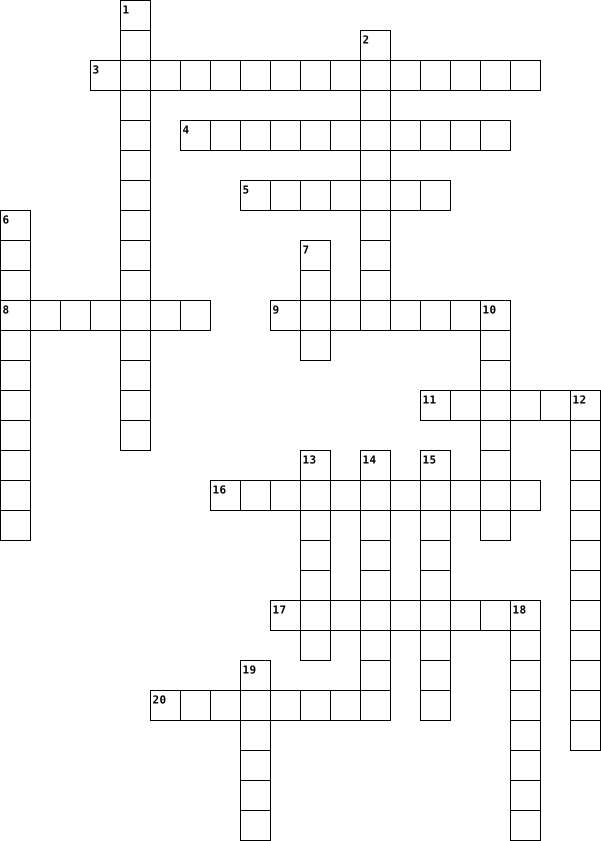
Across
- 125-
- 129
- 113
- 170-
- 116-1
- 110
- 101
- 114
- 130
Down
- 176
- 116
- 102
- 117
- 155
- 122
- 169
- 120
- 124
- 166
- 104
20 Clues: 176 • 116 • 129 • 113 • 102 • 117 • 155 • 110 • 122 • 169 • 120 • 124 • 101 • 114 • 166 • 104 • 130 • 125- • 170- • 116-1
body organization 2023-01-10

Across
- plane passing through the midline
- the center
- near the midpoint
- extending the joint away from the midline
- rising
- close to center
- backward
- another word for anterior
- away from the head
- the side or away from the middle
- pertaining to the forehead
- increase the joint angle
- part of an organism
Down
- another word for posterior
- away from center, ____ vision
- decreasing a joint angle
- away from center
- occurring on the inside
- occurring on the outside
- towards the head
- on the surface or not deep
- towards the back
- forward
- towards the front
- extending the joint towards the midline
25 Clues: rising • forward • backward • the center • close to center • away from center • towards the head • towards the back • near the midpoint • towards the front • away from the head • part of an organism • occurring on the inside • decreasing a joint angle • occurring on the outside • increase the joint angle • another word for anterior • another word for posterior • on the surface or not deep • ...
The body 2022-12-06

Across
- Füße
- Körper
- Hals
- groß (Gestalt)
- Zähne
- Ohr
- groß
- Nase
- Haare
- klein
- Fuß
- Kopf
Down
- Finger
- Mund
- Bein
- Zahn
- Auge
- Rücken
- Arm
- Schulter
- Hand
21 Clues: Ohr • Arm • Fuß • Füße • Mund • Hals • Bein • Zahn • Auge • groß • Nase • Hand • Kopf • Zähne • Haare • klein • Finger • Körper • Rücken • Schulter • groß (Gestalt)
Body Parts 2023-05-15
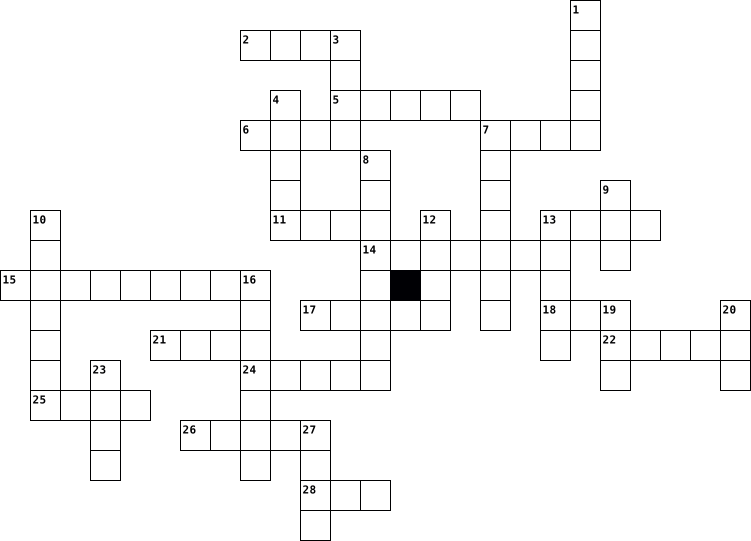
Across
- espalda
- Codo
- Nariz
- Pie
- Cabello
- Mentón
- Pestaña
- Bigote
- Pecho
- Ojo
- Cara
- Tobillo
- Barba
- Talón
- Diente
- Brazo
Down
- muñeca
- Rodilla
- Boca
- Antebrazo
- Frente
- labio
- estómago
- Pies
- Mejilla
- Ceja
- Oreja
- Pierna
- Cuello
- Cabeza
30 Clues: Pie • Ojo • Boca • Codo • Pies • Ceja • Cara • Nariz • labio • Pecho • Oreja • Barba • Talón • Brazo • muñeca • Frente • Mentón • Bigote • Pierna • Cuello • Diente • Cabeza • espalda • Rodilla • Cabello • Mejilla • Pestaña • Tobillo • estómago • Antebrazo
The Body 2023-05-16

Across
- part of the body where nutrients are absorbed after leaving the stomach
- the largest bone in the body
- hard white tissue that make the skeletal system
- large organ that breaks down fat and produces bile
- tissue that expands and contracts to bring in oxygen to the body
- muscle that has taste buds and moves food in the mouth
- food after it has mixed with saliva before it enters the stomach
- the front portion of the brain
- where digestion begins
Down
- system that is responsible for breaking down food and pulling nutrients
- group of bones that form the head
- part of the brain that controls movement
- organ that mashes food and contains acid
- the large muscles of the chest
- muscles like the stomach and heart that a person CANNOT control
- primary organ of the nervous system that controls all body functions
- the organ that interprets light information
- the smooth tube that pushes food from the mouth to the stomach
- system that moves and protects the body
- Primary organ of the circulatory system
20 Clues: where digestion begins • the largest bone in the body • the large muscles of the chest • the front portion of the brain • group of bones that form the head • system that moves and protects the body • Primary organ of the circulatory system • part of the brain that controls movement • organ that mashes food and contains acid • the organ that interprets light information • ...
Body parts 2025-02-03

Across
- The back part of your lower leg, between your knee and your ankle.
- The part of your body from your hip to your foot.
- The upper part of your leg, between your hip and your knee.
- The soft part inside your mouth that you use for tasting and speaking.
- The part of your face that you use for smelling and breathing.
- The five long parts at the end of your hand.
- The part of your face above your eyes and below your hair.
- The joint connecting your hand to your arm.
- The parts of your face that you use for seeing.
- The joint in the middle of your leg that allows it to bend.
Down
- The front part of your body between your neck and your stomach.
- The parts of your body where your arms are connected.
- The front part of your lower leg, between your knee and your ankle.
- The soft edges of your mouth.
- The joint connecting your foot to your leg.
- The joint in the middle of your arm that allows it to bend.
- The parts of your body below your waist and above your legs.
- The part of your body from your shoulder to your hand.
- The part of your body at the end of your leg that you stand on.
- The hard, white parts inside your mouth that you use for biting and chewing.
20 Clues: The soft edges of your mouth. • The joint connecting your foot to your leg. • The joint connecting your hand to your arm. • The five long parts at the end of your hand. • The parts of your face that you use for seeing. • The part of your body from your hip to your foot. • The parts of your body where your arms are connected. • ...
body parts 2024-11-05

Across
- forehead
- face
- beard
- tummy
- throat
- brain
- waist
- elbow
- mouth
- teeth
- shoulder
Down
- neck
- back
- chin
- hip
- moustache
- arm
- head
- eyebrows
- hair
20 Clues: hip • arm • neck • back • chin • face • head • hair • beard • tummy • brain • waist • elbow • mouth • teeth • throat • forehead • eyebrows • shoulder • moustache
Body Systems 2024-10-20

Across
- a butterfly shaped organ
- it detects the position of the body parts
- a clear, colorless fluid found in the Central Nervous System
- a muscle organ in the mouth that manipulates food
- the pale yellow liquid matrix of blood
- the functional unit of the nervous system
- a substance in the body that is “foreign”
- the fluid in the circulatory system
- ductless glands that produce hormones
- cells cell with receptor proteins
Down
- a pump that keeps the blood moving through the blood vessels
- the reproductive organ in females
- the largest and the most complex mass in the nerve tissue
- Cord the major communication link between the brain and the Peripheral Nervous System
- converts energy from a stimulus
- connect one neuron to another
- biochemicals that travel in the bloodstream
- the outer layer of the heart wall
- a structure projecting from the face for breathing and smelling
- it is the protective proteins produced by th immune system
- the interpretation of sensation
21 Clues: a butterfly shaped organ • connect one neuron to another • converts energy from a stimulus • the interpretation of sensation • the reproductive organ in females • the outer layer of the heart wall • the fluid in the circulatory system • cells cell with receptor proteins • ductless glands that produce hormones • the pale yellow liquid matrix of blood • ...
Body parts 2017-01-18
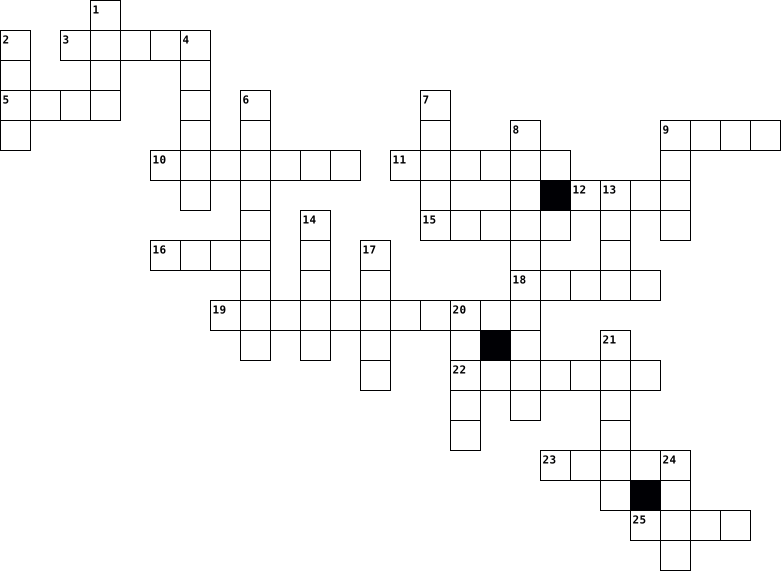
Across
- You can smell with this
- The joint connecting the foot with the leg
- The part of your arm extending from the elbow to the wrist
- It's between your thigh and your lower leg
- The protruding part of the face below your mouth
- The finger on which the wedding ring is usually worn (two words)
- The back part of your foot
- The joint between the forearm and the upper arm
- An informal name for your navel (two words)
- You use it to eat and talk
- The upper part of the human body
- You use these for chewing food
Down
- The joint connecting the hand with the forearm
- A name for your little finger
- The part at the back of your leg, below the knee
- The strip of hair growing above your eyes
- You may use this digit to point at someone
- You use it for tasting, licking and articulating speech
- You need two of these to clap
- Curved hairs, growing on the edges of your eyelids (plural)
- The front of the leg below the knee
- It connects your head to the rest of your body
- The largest toe of the human foot (two words)
- You use them to kiss and whistle (plural)
- Probably the shortest digit in your hand
- The part of the human leg between the hip and the knee
26 Clues: You can smell with this • The back part of your foot • You use it to eat and talk • A name for your little finger • You need two of these to clap • You use these for chewing food • The upper part of the human body • The front of the leg below the knee • Probably the shortest digit in your hand • The strip of hair growing above your eyes • ...
Body parts 2024-11-06

Across
- The bad guy in the Lion King.
- This connects your hand and arm.
- This body part holds your heart.
- You might lift these if you're amazed.
- Used for thinking and headaches.
- You stand on it.
- The place where your food is digested (=verteerd).
- The finger used for good things.
- The part where you bend your leg.
- What you shrug when you don't care.
Down
- "The thinker" (a famous statue of someone sitting down in a "thinking" position), is leaning on his hand with his...
- Thirty white horses on a red hill. First they champ, then they stamp, then they stand still.
- It comes in all types: curly, straight, wavy, ...
- The upper part of your leg.
- The part of the leg between the knee and ankle.
- Where you wear a belt.
- A nice word for "booty".
- The fingers of your feet.
- If you lift things the wrong way, this body part might hurt.
- If you bite them, you have a bad habit.
20 Clues: You stand on it. • Where you wear a belt. • A nice word for "booty". • The fingers of your feet. • The upper part of your leg. • The bad guy in the Lion King. • This connects your hand and arm. • This body part holds your heart. • Used for thinking and headaches. • The finger used for good things. • The part where you bend your leg. • What you shrug when you don't care. • ...
Human Body 2024-11-25

Across
- nos
- záda
- kost
- hrdlo
- zuby
- oko
- loket
- prsty na noze
- paže
- nehet
- kůže
- dlaň
Down
- prsty na ruce
- pusa
- ucho
- zadek
- koleno
- chodidlo
- pata
- palec
- břicho
- zápěstí
- kotník
- krk
24 Clues: nos • oko • krk • pusa • ucho • záda • kost • pata • zuby • paže • kůže • dlaň • zadek • hrdlo • palec • loket • nehet • koleno • břicho • kotník • zápěstí • chodidlo • prsty na ruce • prsty na noze
Body & Behavior 2025-11-17

Across
- Controls involuntary functions like heartbeat
- every influence that affects a person after birth
- These neurons carry sensory info to the brain
- This lobe of the brain processes touch
- The main nervous system containing the brain and spinal cord
- Chemical messenger
- Control center of the neuron
- Main part of the neuron containing the nucleus
- Part of the PNS that activates fight-or-flight
- This lobe of the brain deals with decision-making and planning
- Gap where neurons communicate
- Part of the PNS that calms the body after stress
Down
- This part of the brain regulates hunger, thirst, temp
- Receive incoming neural messages
- This lobe of the brain focuses on hearing and language
- These neurons carry motor signals out
- Sends messages away from the neuron
- Controls voluntary muscle movement
- all that a person brings into the world
- Connect neurons in the CNS
- Case showing frontal lobe function
- This part of the brain controls breathing and heart rate
- All nerves outside the brain and spinal cord
- This part of the brain helps regulate sleep
- This part of the brain controls balance and coordination
25 Clues: Chemical messenger • Connect neurons in the CNS • Control center of the neuron • Gap where neurons communicate • Receive incoming neural messages • Controls voluntary muscle movement • Case showing frontal lobe function • Sends messages away from the neuron • These neurons carry motor signals out • This lobe of the brain processes touch • all that a person brings into the world • ...